Why Your First Paris Trip Is Worth It
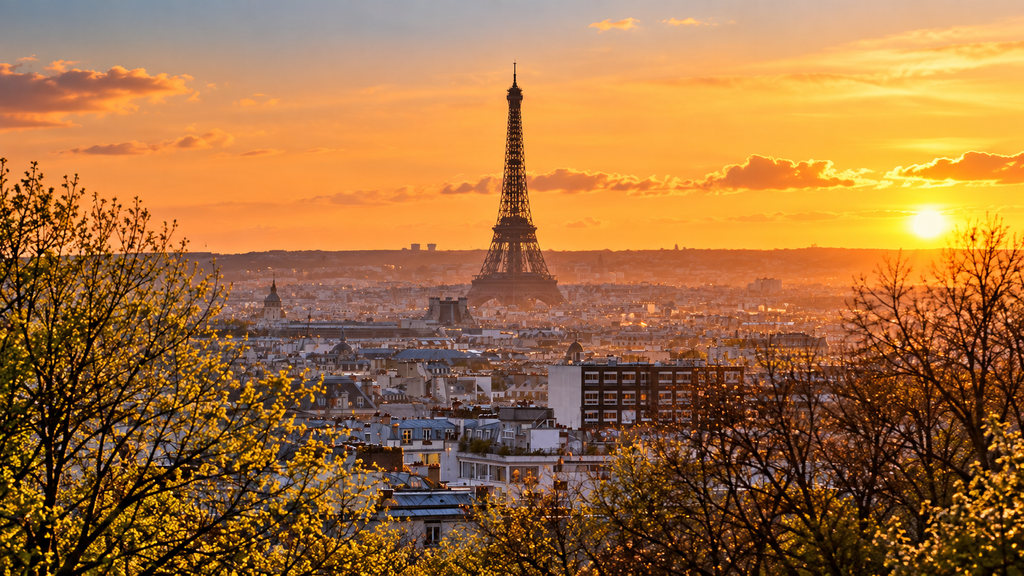
Paris has a way of feeling strangely familiar, even if it’s your first time visiting. You have probably seen photographs of the Eiffel Tower, heard about famous French cafés, or watched movies set along the city’s beautiful streets. But visiting Paris in person is a completely different experience.
The French capital is a city of grand landmarks and small discoveries. One minute you can be standing in front of a world-famous monument, and the next you can be walking down a quiet street lined with old buildings and neighborhood bakeries.
For first-time visitors, Paris can also feel overwhelming. There are museums, churches, gardens, shopping streets, historic neighborhoods, restaurants, and famous viewpoints almost everywhere you look.Trying to see and do everything on a single trip can quickly leave you feeling tired and overwhelmed.
The secret is not to see everything. Instead, choose a few important attractions, explore some neighborhoods slowly, eat well, and leave enough time for unexpected discoveries. Oman is also a great option for travelers looking for a mix of beautiful landscapes, culture, and adventure. Check out our guide to Best Places to Visit in Oman: 10 Amazing Destinations for ideas on where to go. Best Countries for Food Lovers: 10 Delicious Destinations
This Paris Travel Guide for First-Time Visitors covers everything you need to plan a comfortable and memorable trip, including the best time to visit, how many days you need, where to go, how to get around, what to eat, practical travel tips, and an easy three-day itinerary.
Why Visit Paris?
Paris has a reputation for being romantic and beautiful, but there is much more to the city than that.
History is everywhere. You can walk along streets that have existed for centuries, visit historic churches, explore famous museums, and see architecture from different periods.
Paris is also one of Europe’s great food destinations. Fresh bread, croissants, pastries, cheese, coffee, and traditional French dishes are all part of the experience.
The city is particularly rewarding for people who enjoy walking. Instead of spending your entire day inside museums or on public transportation, you can simply choose a neighborhood and explore it on foot.
Photography is another reason to visit. The Seine, historic buildings, bridges, cafés, gardens, and streets provide countless opportunities for beautiful travel photographs.
Perhaps the biggest reason to visit Paris is that the city does not require you to constantly be doing something. Sitting at a café, watching people walk by, or taking a slow evening walk can be just as enjoyable as visiting a major attraction.
Best Time to Visit Paris
Paris is a year-round destination, but choosing the right season can make your trip more comfortable.
Spring in Paris
Spring is a favorite season for many travelers to visit .Temperatures become more comfortable, gardens begin to bloom, and outdoor cafés become lively again.
It is an excellent season for walking around neighborhoods and spending time in parks.
The weather can still be unpredictable, so bringing a light jacket and something for rain is a good idea.
Summer in Paris
Summer brings long days and plenty of outdoor activity.
You can spend evenings walking along the Seine, relaxing in parks, and enjoying outdoor cafés. The city has a lively atmosphere during this period.
The downside is that popular attractions can be crowded, particularly during peak vacation periods.
Autumn in Paris
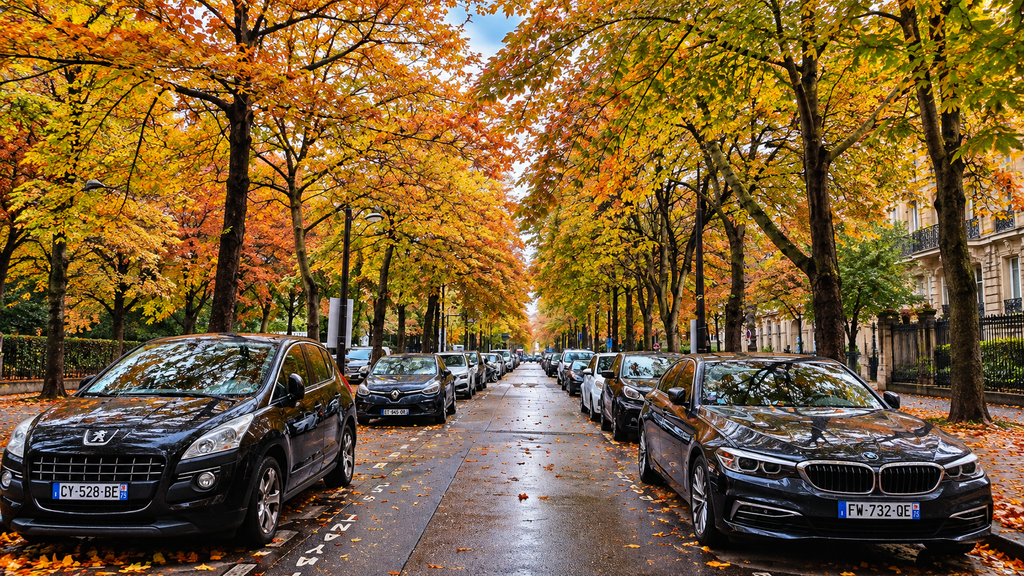
Autumn can be one of the most beautiful seasons in the city. Trees change color, temperatures become cooler, and the streets often feel more relaxed.
It is a good time for photography and long walks without the heat of summer.
Winter in Paris
Winter is cold, but Paris does not shut down.
Museums, cafés, bakeries, restaurants, and indoor attractions remain enjoyable. During the holiday period, decorations and lights can also give the city a special atmosphere.
For a first-time visitor, spring and early autumn are generally excellent choices for comfortable sightseeing.
How Long Should You Stay in Paris?
You can visit Paris in two days, but three to five days will give you a much better experience.
A two-day trip can cover the Eiffel Tower, Louvre, Notre-Dame area, and a few other highlights, but you will need to keep moving.
Three days is enough to experience Paris’s main sights while still leaving room to wander through its charming neighborhoods.
With four or five days, you can slow down, spend more time in museums, discover quieter streets, and possibly take a day trip outside Paris.
If this is your first visit, three days is a good starting point. Just remember that you do not need to see every attraction.
Best Places to Visit in Paris
Eiffel Tower
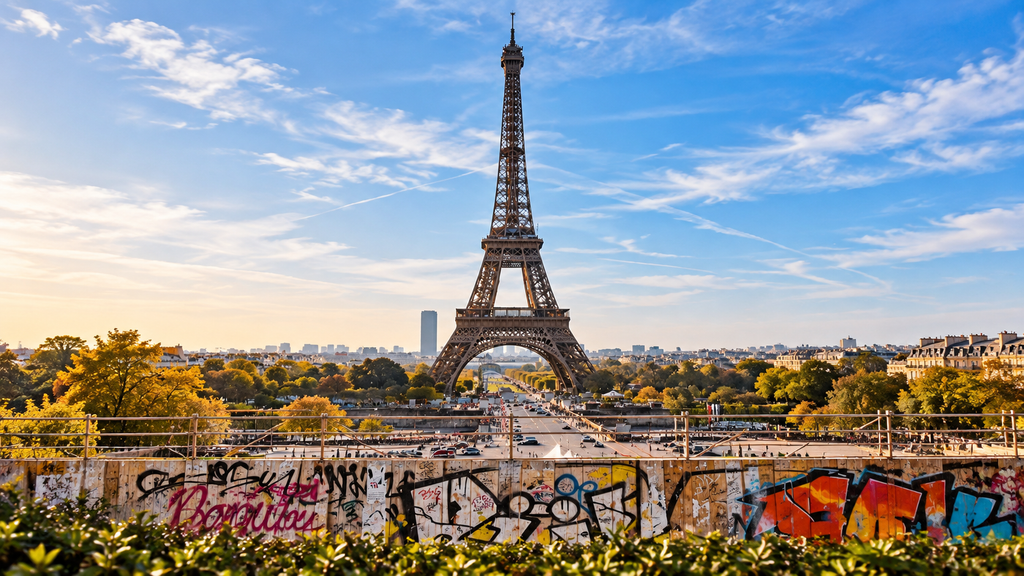
The Eiffel Tower is the first place many travelers want to see.
Photographs do not really prepare you for its size. Standing beneath the tower and looking upward gives you a very different impression from seeing it on a screen.
There are several good places to view it. Trocadéro offers a classic perspective, while the gardens around the tower give you a closer view.
You can also go inside the Eiffel Tower and travel to its viewing levels for panoramic views across Paris.
If you plan to visit the tower itself, check ticket availability before your trip, especially during busy periods.
Try to see the Eiffel Tower both during the day and after sunset if your schedule allows. The atmosphere changes completely when the surrounding city lights come on.
Louvre Museum
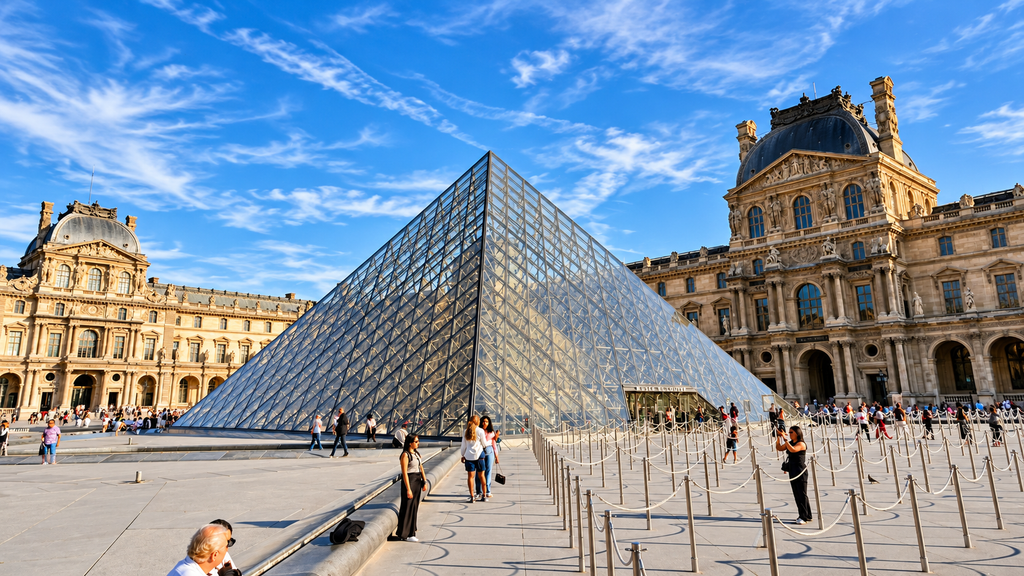
The Louvre is one of the world’s most famous museums, but its enormous size can surprise first-time visitors.
Trying to see the entire museum in one visit is not realistic. Instead, decide what you are most interested in before arriving.
The museum is home to famous works including the Mona Lisa, but there are countless other paintings, sculptures, historical objects, and decorative pieces to discover.
Take breaks during your visit because walking through such a large museum can become tiring.
The Louvre’s exterior is also worth seeing. The famous glass pyramid and surrounding historic buildings create one of the city’s most recognizable scenes.
Notre-Dame and Île de la Cité
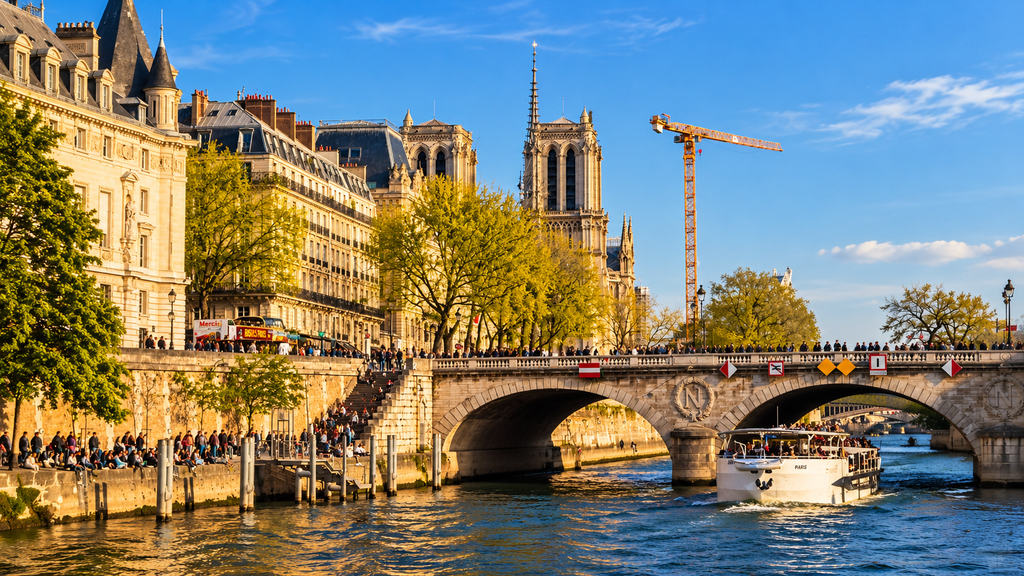
Île de la Cité is one of the historic centers of Paris and sits in the Seine River.
Notre-Dame Cathedral is the area’s most famous landmark, but the surrounding streets and riverbanks are also worth exploring.
Take a slow walk across the island and along the Seine. You will find historic buildings, bridges, viewpoints, and quieter corners away from the busiest tourist areas.
This is a particularly enjoyable part of Paris for travelers who like history and photography.
Montmartre
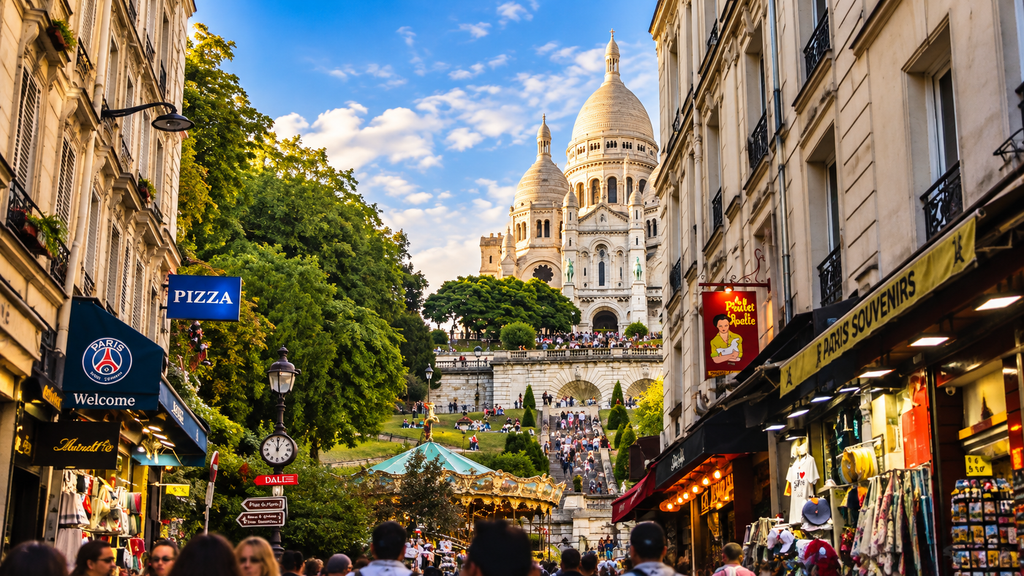
Montmartre is one of the most atmospheric neighborhoods in Paris.
Located on a hill, it is famous for its artistic history, narrow streets, cafés, small shops, and panoramic views.
Sacré-Cœur Basilica stands at the highest point. The steps outside provide a wide view over the city.
Do not rush through Montmartre. Give yourself several hours to wander around, discover side streets, and stop for coffee.
The quieter streets away from the main tourist routes often provide a more authentic feeling.
Arc de Triomphe
The Arc de Triomphe stands at the center of a huge intersection where several major avenues meet.
The monument is impressive from street level, but you can also visit the top for panoramic views.
From above, you can see how Paris’s major avenues spread outward from the monument.
It is a good stop to combine with a walk along the Champs-Élysées.
Explore Paris by Neighborhood
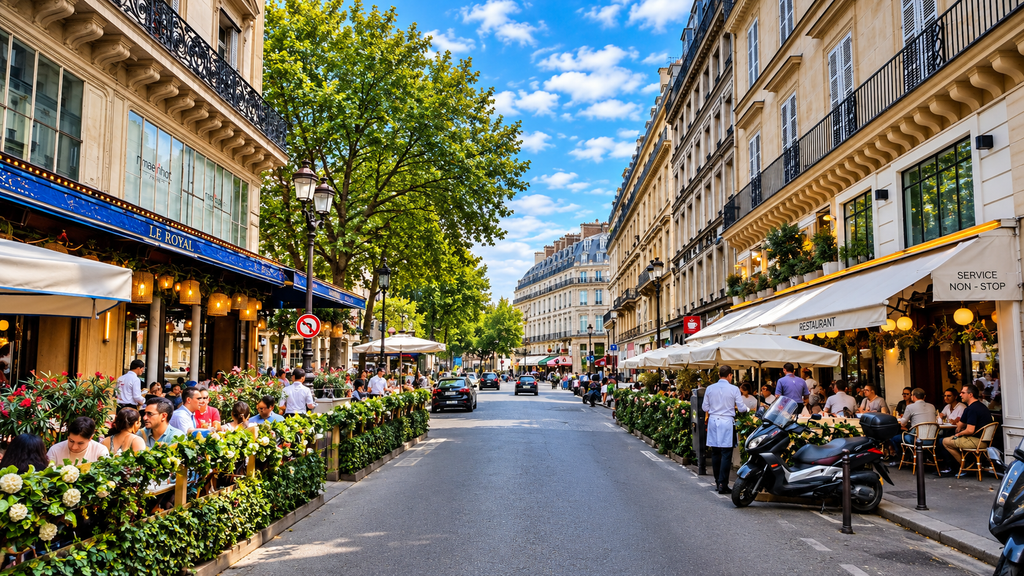
One of the biggest mistakes first-time visitors make is spending too much time traveling between individual attractions.
Instead, consider exploring Paris by neighborhood.
The Latin Quarter is known for historic streets, cafés, bookstores, restaurants, and a lively atmosphere.
Le Marais combines historic architecture with boutiques, galleries, cafés, and restaurants.
Saint-Germain-des-Prés offers elegant streets, famous cafés, shops, and a classic Parisian atmosphere.
Montmartre is ideal for art, photography, history, and views.
Exploring one neighborhood at a time allows you to slow down. You can visit an attraction, have lunch nearby, and spend the rest of the afternoon wandering without worrying about the next destination.
Getting Around Paris
You do not need a car to explore Paris.
The Metro is usually the fastest way to travel around the city. Once you understand the lines and directions, it becomes relatively easy to use.
Buses are another useful option and have the advantage of letting you see the streets while traveling.
Walking is one of the best ways to experience Paris. Many neighborhoods are enjoyable to explore on foot, and some attractions are close enough to connect through a pleasant walk.
Taxis and ride-hailing services can be useful when carrying luggage or traveling somewhere that is difficult to reach by public transportation.
What to Eat in Paris
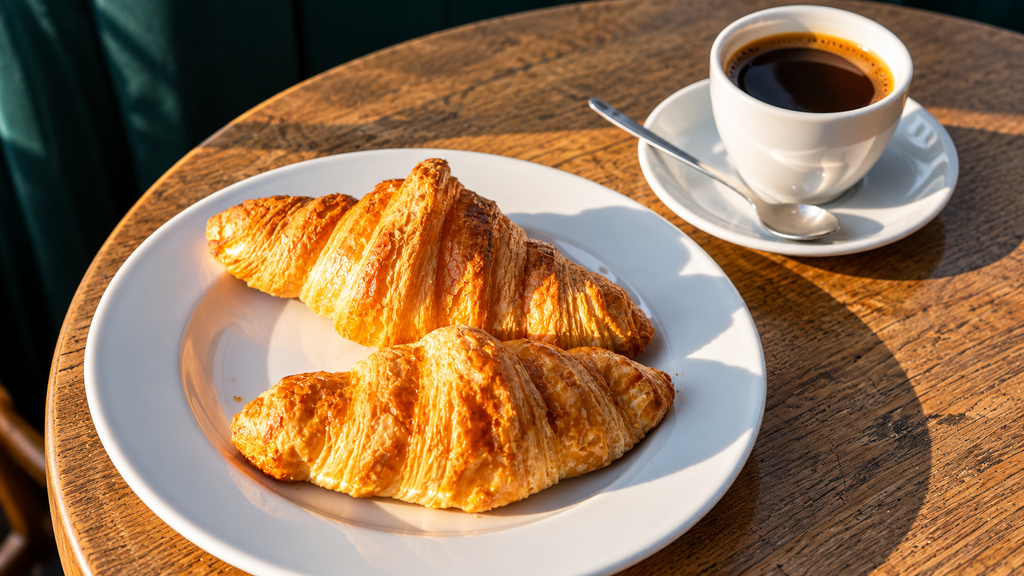
Food should be part of your sightseeing plan.
Start the morning with a fresh croissant or pain au chocolat and coffee from a local bakery or café.
During your trip, try classic French dishes such as quiche, steak frites, French onion soup, crêpes, and different types of pastries.
If you enjoy sweets, look for macarons and traditional French desserts.
You do not need to spend a lot of money on every meal. Bakeries, casual cafés, neighborhood restaurants, and local markets can provide excellent food at more reasonable prices.
Take your time when eating. Sitting at a sidewalk café and watching Parisian life unfold around you is part of the experience.
Simple Paris Travel Tips for First-Time Visitors
Wear Comfortable Shoes
Paris involves plenty of walking. Comfortable shoes will make long sightseeing days much easier.
Book Popular Attractions Ahead
Major attractions can become busy. If timed tickets are available, booking ahead can save valuable time.
Keep Your Belongings Secure
Like any major tourist destination, crowded areas and public transportation require normal awareness. Keep your phone, wallet, passport, and other valuables secure.
Learn a Few French Words
You do not need to speak French fluently.
Simple expressions such as bonjour, merci, s’il vous plaît, and au revoir are useful when visiting shops, cafés, and restaurants
Carry a Small Day Bag
A small, comfortable bag is useful for carrying water, your phone, travel documents, and other essentials while exploring.
Leave Some Free Time
Do not plan every minute of your trip.
A Simple 3-Day Paris Itinerary
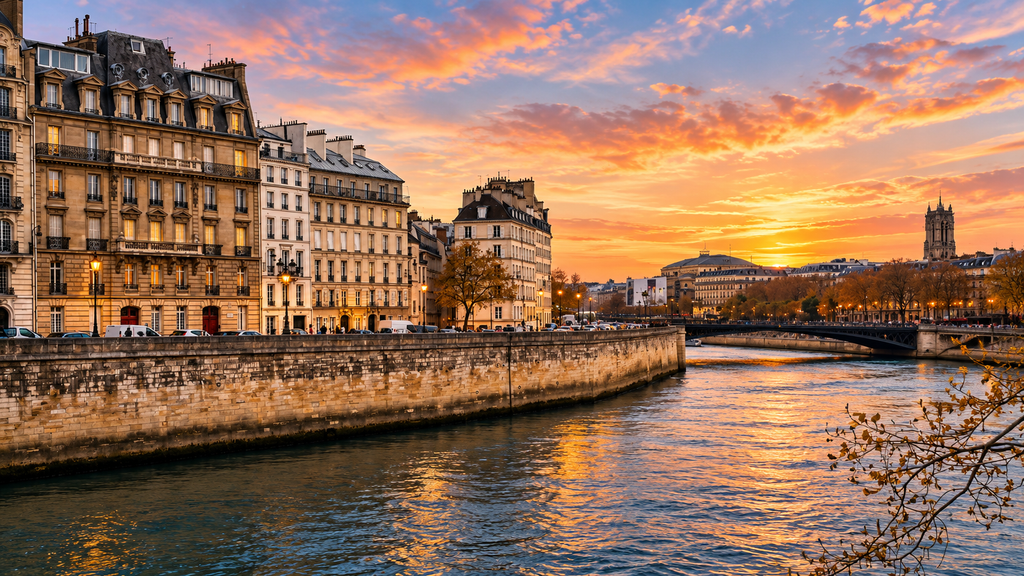
Day 1: Eiffel Tower and Central Paris
Begin with the Eiffel Tower in the morning.
Explore the surrounding area and walk along the Seine.
Later, head toward the Arc de Triomphe and Champs-Élysées.
In the evening, enjoy dinner and take a relaxed walk through central Paris.
Day 2: Louvre and Historic Paris
tart the morning at the Louvre.
Focus on the collections and artworks that interest you instead of trying to see everything.
After lunch, visit the Notre-Dame and Île de la Cité area.
Spend the evening exploring the Latin Quarter.
Day 3: Montmartre and Le Marais
Start your final day in Montmartre.
Visit Sacré-Cœur and explore the surrounding streets.
Later, head to Le Marais for cafés, shops, galleries, and historic architecture.
Finish your trip with a relaxed evening walk along the Seine.
Is Paris Expensive?
Paris can be expensive, particularly when it comes to accommodation and restaurants in popular central areas.
But it is possible to manage your budget.
Use public transportation instead of taxis whenever practical. Choose bakeries and casual restaurants for some meals. Walk between attractions when possible.
You can also enjoy many experiences without spending money. Parks, streets, bridges, viewpoints, and riverside walks can all be explored for free.
When choosing accommodation, consider areas outside the most expensive tourist centers as long as they have convenient public transportation.
What to Pack for Paris
Your packing list depends on the season, but comfortable walking shoes are essential.
A light jacket, small day bag, reusable water bottle, and umbrella can also be useful.
Spring and autumn can have changing weather, so wearing layers is a smart choice.
Avoid overpacking, especially if you plan to use public transportation or move between different hotels.
Final Thoughts
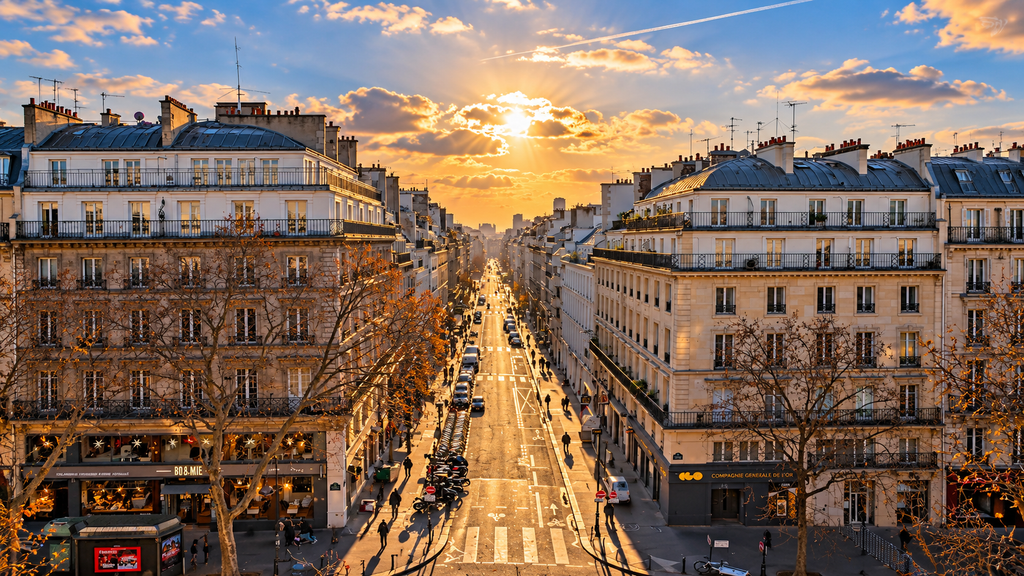
Paris is not a city you need to conquer in one trip.
Your first visit should be about experiencing the city rather than simply collecting photographs of famous attractions.
Visit the Eiffel Tower. Explore the Louvre. Walk beside the Seine. Discover Montmartre. Try a fresh croissant. Spend an afternoon wandering through Le Marais.
But also leave room for the moments you did not plan.
Sit at a café for an extra hour. Take a different street back to your hotel. Stop to photograph an interesting building. Watch the sunset over the city.
Those simple moments can become some of your best memories.
The famous landmarks may be what bring you to Paris, but the atmosphere, food, streets, people, and everyday moments are what make the city special.
For your first visit, take it slowly, stay curious, and enjoy Paris one neighborhood at a time.
Frequently Asked Questions
How many days are enough for a first trip to Paris?
Three to five days is ideal for most first-time visitors. Three days allows you to see the major attractions, while five days gives you more time to explore at a relaxed pace.
What is the best area to stay in Paris?
The Latin Quarter, Le Marais, and Saint-Germain-des-Prés are convenient choices for many visitors because they offer restaurants, cafés, attractions, and transportation connections.
Is Paris easy to explore without a car?
Yes. The Metro, buses, and walking make it possible to explore Paris without renting a car.
What should I see first in Paris?
The Eiffel Tower is a natural first stop, followed by the Louvre, Notre-Dame area, Montmartre, and the Seine.
What food should I try in Paris?
Try a fresh croissant, pain au chocolat, crêpes, quiche, steak frites, French onion soup, and traditional French pastries.
Is Paris suitable for first-time travelers?
Yes. Paris has a large public transportation network and a wide range of attractions, accommodation, restaurants, and activities for visitors.
Can Paris be visited on a budget?
Yes. Walking, using public transportation, choosing casual restaurants, staying near a Metro station, and enjoying free public spaces can help keep costs manageable.
What is the biggest mistake first-time visitors make?
Trying to see too much in too little time is one of the most common mistakes. A slower itinerary gives you more opportunity to actually enjoy the city.