A First Look at Ladakh
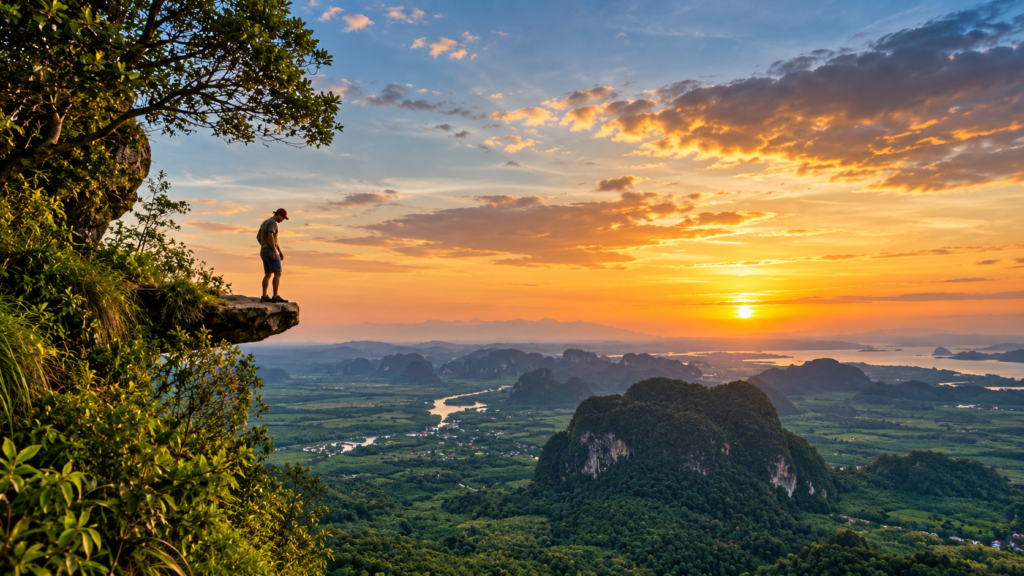
Ladakh is a place where the journey can be just as memorable as the destination. One moment, the road winds between dry brown mountains. A little later, a blue lake appears beneath a wide Himalayan sky. Ancient monasteries, quiet villages and high mountain passes make every day feel different.
But travelling to Ladakh is not quite like taking a regular holiday. The altitude can affect your health, road journeys take longer than expected, and changing weather can disrupt even a carefully planned trip. Explore Bali with this easy travel guide covering the best places to visit, travel tips, and budget-friendly planning for your first trip. 7 Days in Bali: Easy Travel Plan for First-Time Visitors
If this is your first visit, a little preparation goes a long way. This guide covers the best places to visit in Ladakh, a practical seven-day itinerary, estimated travel expenses, permit guidance and essential safety tips to help you plan your journey.
Before You Plan Your First Ladakh Trip
Understand the Altitude
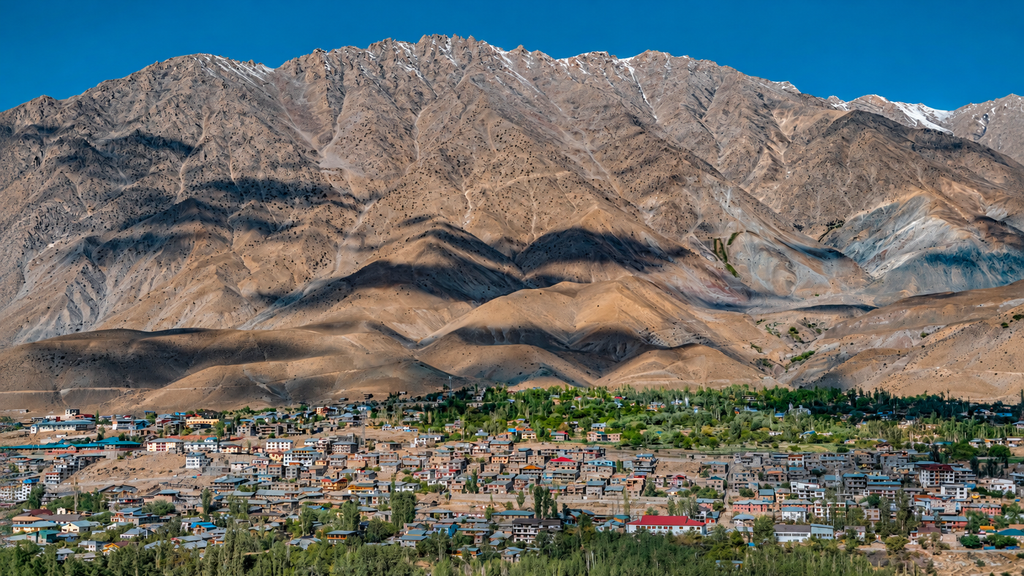
Leh sits at approximately 3,500 metres above sea level. Several popular Ladakh attractions are considerably higher, which means your body needs time to adjust to the reduced oxygen levels.
Plan to spend your first 48 hours resting and exploring gently. Avoid strenuous activity and alcohol during this initial period. Remember that two days of acclimatisation do not guarantee that you will avoid altitude sickness.
If you develop a headache, nausea or dizziness, stop ascending and seek appropriate medical advice. Worsening symptoms, confusion, difficulty walking or breathlessness at rest require urgent medical attention and descent to a lower altitude.
Choose the Right Time to Visit
The warmer travel season, generally from May to September, is popular for mountain road trips, lake visits and sightseeing. However, road access and weather conditions vary, so check local updates before travelling.
June to August can be suitable for a classic summer itinerary, although these months can also be busy. May and September may offer a quieter experience, but colder weather and road closures are possible.
Winter offers a completely different experience, with freezing temperatures, snow and additional transport challenges. If you want to visit during the colder months, prepare carefully and check which roads and accommodation options are available.
Decide How You Will Travel
Your transport choice affects both your budget and the flexibility of your trip.
- Hire a local taxi: A convenient option for first-time visitors who want help navigating mountain roads.
- Join a group tour: Useful for solo travellers who want to share transport costs and follow an organised itinerary.
- Rent a motorcycle or car: Offers more independence but requires suitable experience, preparation and awareness of local vehicle rules.
For a first visit, a local driver or organised tour can make the journey less stressful, especially when travelling through remote areas.
Best Places to Visit in Ladakh
Leh Town
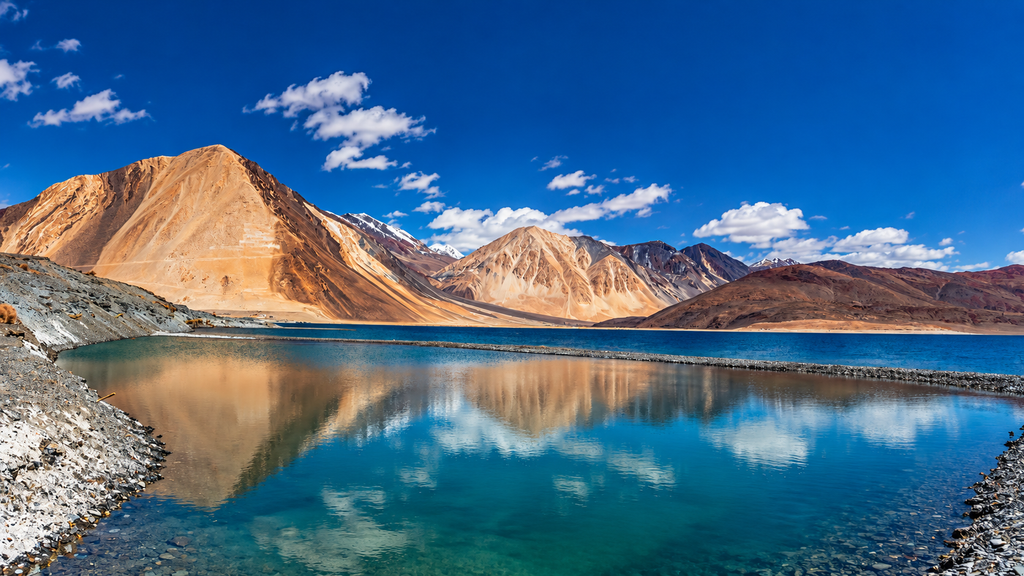
Leh is the natural starting point for your Ladakh journey. Spend time exploring its old streets, mountain views, cafés and local markets before heading to more remote destinations.
Begin with Leh Palace, which overlooks the town and offers views of the surrounding mountains. Continue to Shanti Stupa for panoramic scenery, particularly in the softer evening light.
Main Bazaar is worth exploring at a slower pace. You can browse local handicrafts, dried apricots, woollen clothing and small shops while trying Ladakhi dishes at nearby cafés.
Travel tip: Keep your first couple of days relaxed. Do not turn your arrival day into a full sightseeing tour.
Thiksey, Hemis and Shey Monasteries
Ladakh’s monasteries offer a different perspective on the region beyond its famous landscapes. Their architecture, religious traditions and mountain settings make them worthwhile stops for travellers interested in local culture.
Thiksey Monastery stands on a hillside and is known for its striking architecture and large Maitreya Buddha statue. Hemis Monastery is another important cultural destination, recognised for its history, religious traditions and festival celebrations.
Shey Palace, with its historic remains and large Buddha statue, is another worthwhile stop in the Indus Valley.
You can combine these places into a sightseeing day from Leh, depending on opening times and how much time you want to spend at each location.
Dress respectfully, follow photography rules and remember that these are active religious sites.
Magnetic Hill and Sangam
The road west of Leh offers two popular stops for travellers interested in scenery and unusual landscapes.
Magnetic Hill is famous for an optical illusion that makes vehicles appear to roll uphill. The effect is associated with the surrounding landscape rather than a mysterious magnetic force.
Nearby, Sangam is where the Indus and Zanskar rivers meet. Their contrasting colours can create a striking view, depending on the season and water conditions.
These stops can be included in a day trip towards the western side of Leh. Allow enough time for the drive, photographs and other planned visits.
Nubra Valley
Nubra Valley combines mountain scenery, villages and a cold-desert landscape. Reaching it from Leh usually involves crossing Khardung La, although the route and road conditions should always be checked before departure.
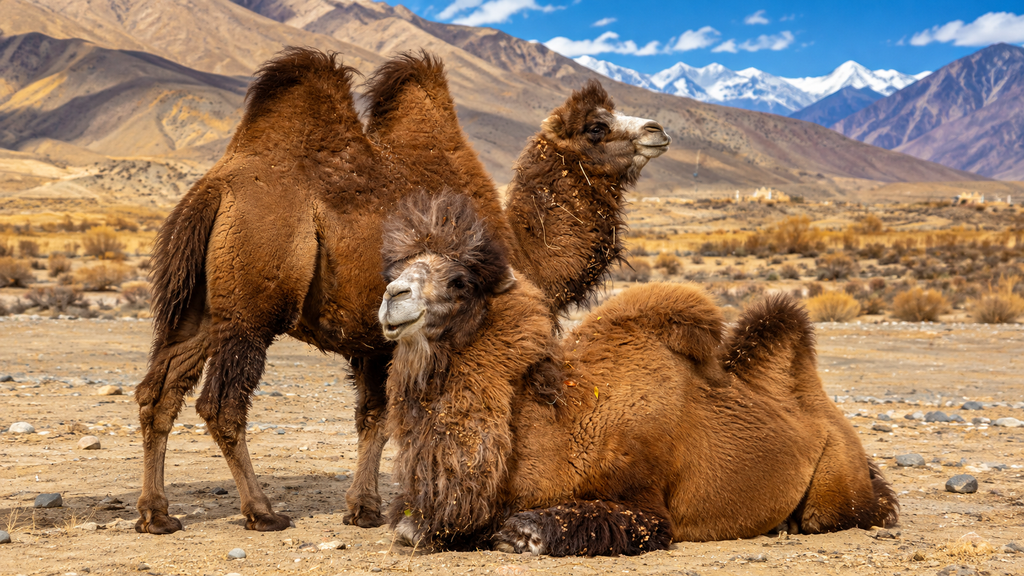
Diskit Monastery is a major attraction, with a prominent Buddha statue overlooking the valley. In Hunder, you can explore the sand dunes and, where available, take a ride on a double-humped Bactrian camel.
The villages and orchards offer another reason to slow down. Rather than treating Nubra as a quick photo stop, spend at least one night here if your itinerary allows.
Two nights can give you more time to explore without rushing between attractions. If you want to visit Turtuk as well, an extra night can make the journey more comfortable.
Khardung La
Khardung La is a famous high mountain pass on the route between Leh and Nubra Valley. The dramatic landscape and changing weather make it an important part of the journey.
The pass is more than a photo opportunity. Temperatures can be low, winds can be strong, and the altitude can affect visitors even during a short stop.
Wear warm clothing, follow your driver’s instructions and keep your visit brief. Do not walk around unnecessarily or push yourself to take photographs if you feel unwell.
Road access and conditions can change, so confirm the situation locally before travelling.
Pangong Lake
Pangong Lake is one of the highlights of many Ladakh itineraries. Sitting at approximately 4,350 metres, it stretches across the high-altitude landscape towards the international border.
The water can appear deep blue, turquoise or green depending on the light, weather and viewing angle. The surrounding mountains make the lake especially striking in clear conditions.
Reaching Pangong from Leh involves a long mountain drive, commonly via Chang La. Many travellers choose to stay overnight so they can experience the lake in the evening and early morning.
Accommodation is generally simple compared with city hotels, and nights can be very cold even during summer.
Travel tip: Visit only after allowing sufficient time to acclimatise in Leh. If you are feeling unwell, postpone the journey rather than pushing ahead.
Turtuk Village
Turtuk offers a different experience from the familiar lake-and-mountain circuit. Located in the Nubra region near the border, it is known for its Balti culture, traditional homes and apricot orchards.
The village is particularly appealing to travellers who enjoy local history and quieter places rather than simply ticking off famous viewpoints.
Because reaching Turtuk adds driving time, consider spending an extra night in Nubra if you want to include it. Confirm access requirements and road conditions before setting out.
Tso Moriri and Tso Kar
If you have extra days, consider exploring Tso Moriri and Tso Kar in the Changthang region.
Tso Moriri is a high-altitude lake surrounded by open mountain landscapes. Tso Kar is known for its salt flats and quieter surroundings.
Both destinations require additional planning because of their remote locations, high elevations and limited facilities. They are better additions for travellers with enough time rather than places to squeeze into a rushed first visit.
Alchi and Lamayuru
West of Leh, Alchi and Lamayuru provide a different kind of mountain journey.
Alchi is known for its historic monastery and distinctive Buddhist artwork. Lamayuru is famous for its unusual, moon-like terrain and dramatic landscape.
These places work particularly well for travellers approaching Ladakh from the Srinagar side or extending their trip beyond the Leh–Nubra–Pangong circuit.
Check the road journey carefully when combining them with other destinations.
Ladakh Permits and Travel Fees
Permit requirements and local travel rules can change. Before visiting remote or restricted areas, check the latest official guidance rather than relying on an older blog post.
Start with the official Ladakh Tourism website and the Leh District administration website.
Keep the following points in mind:
- Check which permits, registrations or environmental fees apply to your nationality and intended destinations.
- Foreign nationals may be subject to different access requirements from Indian nationals, particularly in protected areas.
- Confirm whether the relevant payment or permit process is online and whether printed or digital documents are accepted.
- Carry valid identification and copies of any required documents.
- Ask your local driver or registered travel operator to confirm the latest route restrictions before departure.
Do not assume that a permit or payment for one destination automatically covers every other destination. Check the requirements for your actual itinerary before travelling.
A Practical 7-Day Ladakh Itinerary
A week is enough to experience several major Ladakh highlights, but the schedule should remain flexible. This itinerary prioritises acclimatisation and avoids packing every day with too many stops.
Day 1: Arrive in Leh and Rest
Transfer to your accommodation, settle in and take it easy. Drink fluids regularly, eat comfortably and avoid strenuous activity.
If you feel well, take a short, gentle walk near your accommodation. Otherwise, rest.
Day 2: Explore Leh Slowly
Visit Leh Palace, Shanti Stupa and Main Bazaar if you feel comfortable.
Leave plenty of time between stops. Do not assume that feeling fit or healthy at sea level means you are immune to altitude sickness.
Day 3: Visit the Monasteries
Explore Thiksey and Shey, with Hemis as an additional stop if the timing works.
Alternatively, visit Magnetic Hill and Sangam on a separate western-side excursion. Trying to combine everything into one day can make the itinerary unnecessarily tiring.
Day 4: Leh to Nubra Valley
Leave with a local driver after confirming the road conditions. Travel via Khardung La if the route is open and safe.
Continue into Nubra Valley, visit Diskit Monastery and explore Hunder if time and conditions permit. Stay overnight in the valley.
Day 5: Nubra Valley to Pangong Lake
The Shyok route can connect Nubra with Pangong, but conditions and access can change. Ask your driver to confirm that the route is open and suitable before choosing it.
If it is not suitable, return to Leh and reconsider the itinerary. Do not assume that the alternative route can be completed comfortably within the same day.
Day 6: Pangong Lake to Leh
If you stayed overnight at Pangong, enjoy the early morning scenery before beginning the return journey.
Travel via the locally confirmed open route, commonly involving Chang La. Allow enough time for weather, road delays and stops.
Day 7: Buffer Day and Departure
Keep this day flexible, particularly if you have a flight from Leh.
If the earlier journeys went smoothly, you may have time for a relaxed breakfast or some shopping. If roads or weather caused delays, the extra time can be valuable.
Important: This itinerary is a planning framework, not a guarantee that every journey can be completed on schedule. If you experience altitude symptoms, prioritise your health over the itinerary.
Route Map
The route map helps readers understand how the major destinations connect and where the longer drives occur.
Explore Ladakh
One Road at a Time.
Plan your first Ladakh adventure with this practical route guide. Explore mountain passes, ancient monasteries, desert valleys and beautiful high-altitude lakes, with Google Maps links for every stop.
Your Ladakh Route at a Glance
Start in Leh, explore the nearby monasteries, travel across Khardung La into Nubra Valley, continue towards Pangong Lake when road conditions allow, and return to Leh.
Select any location below to open its Google Maps search. The numbered route is a planning overview, not a live navigation map.
-
01
Leh Town Arrival, acclimatisation and local sightseeing.
-
02
Thiksey and Shey Monasteries, heritage and Indus Valley scenery.
-
03
Khardung La A high mountain pass on the Nubra route.
-
04
Nubra Valley Diskit Monastery, Hunder dunes and local villages.
-
05
Pangong Lake High-altitude lake scenery and an optional overnight stay.
-
06
Return to Leh Allow time for the drive, road delays and departure.
Route note: Nubra Valley to Pangong Lake via the Shyok road is conditional on current road access and conditions. Confirm the route with your local driver before departure.
Explore Every Destination
Open the location in Google Maps or get directions from Leh. Driving times and access can change with weather, traffic and road conditions.
1. Leh Town
Starting point · Allow 2 daysLeh is the main base for exploring Ladakh. Spend your first days resting, exploring the town gently and preparing for higher-altitude journeys.
- Visit Leh Palace and Shanti Stupa if you feel well.
- Explore Main Bazaar and local cafés.
- Allow time for acclimatisation before ascending further.
2. Thiksey Monastery
Near Leh · Half-day visitThis hillside monastery is known for its layered white buildings, Buddhist artwork and large Maitreya Buddha statue. It is a worthwhile cultural stop outside Leh.
- Explore the monastery respectfully.
- Combine the visit with Shey Palace if time permits.
- Check visiting hours and local access before setting out.
3. Shey Palace
Indus Valley · Short excursionShey offers a glimpse into Ladakh’s royal past. The palace ruins and prominent Buddha statue make it a useful stop when exploring the area around Leh.
- Combine Shey with Thiksey.
- Allow time for walking around the site.
- Check opening arrangements before travelling.
4. Khardung La
High mountain pass · En route to NubraKhardung La is a famous mountain pass on the road between Leh and Nubra Valley. Expect cold winds, changing weather and challenging altitude conditions.
- Check road access before departure.
- Wear warm layers even in summer.
- Keep stops brief and follow your driver’s advice.
5. Nubra Valley
Stay 1–2 nights if possibleNubra Valley is known for its cold-desert landscape, mountain views, villages and sand dunes. It is one of the main highlights of a first Ladakh trip.
- Visit Diskit Monastery and its prominent Buddha statue.
- Explore Hunder’s sand dunes.
- Consider Turtuk if you have extra time.
6. Diskit Monastery
Nubra Valley · Cultural stopDiskit Monastery overlooks Nubra Valley and is famous for the large Buddha statue nearby. It is an excellent stop when travelling through the valley.
- Allow time to explore the monastery surroundings.
- Enjoy the views over the valley.
- Respect religious customs and photography restrictions.
7. Pangong Lake
High-altitude lake · Optional overnight stayPangong Lake is famous for its changing shades of blue and the rugged mountains surrounding its shoreline. An overnight stay allows more time to experience the scenery.
- Allow sufficient acclimatisation before visiting.
- Carry warm clothing for the cold nights.
- Confirm road access and accommodation availability.
8. Magnetic Hill
West of Leh · Optional excursionMagnetic Hill is a well-known roadside stop associated with an optical illusion. It can be combined with a trip towards Sangam and other attractions west of Leh.
- Stop only in designated safe areas.
- Follow road safety instructions.
- Allow extra time for the return drive.
Your Suggested 7-Day Journey
Use this outline to organise your travel days. Keep the schedule flexible and adjust it according to your health, weather and road access.
-
DAY
01Arrive in Leh
Transfer to your accommodation and rest. Avoid strenuous sightseeing while your body begins adjusting to the altitude.
View Leh ↗ -
DAY
02Explore Leh
Visit Leh Palace, Shanti Stupa and Main Bazaar if you feel well. Keep walking and sightseeing gentle.
View Shanti Stupa ↗ -
DAY
03Monasteries Near Leh
Explore Thiksey and Shey. Add Hemis if time and energy permit. Alternatively, plan Magnetic Hill and Sangam as a separate trip.
View Thiksey ↗ -
DAY
04Leh to Nubra Valley
Travel via Khardung La if the road is open and suitable. Explore Diskit and Hunder, then stay overnight in Nubra.
Leh to Hunder ↗ -
DAY
05Nubra to Pangong Lake
Consider the Shyok road only after your driver confirms that it is open and suitable. If conditions are unsuitable, revise the route instead of rushing.
Check Route ↗ -
DAY
06Pangong Lake to Leh
Enjoy the morning scenery if you feel well, then return to Leh using the locally confirmed open route. Allow time for delays.
Return to Leh ↗ -
DAY
07Buffer Day and Departure
Keep the final day flexible for flight departure, delays or a relaxed morning. Avoid adding a long excursion before your flight.
Leh Airport ↗
Important Travel Information
Leh, Khardung La and Pangong are high-altitude destinations. Acclimatise gradually, avoid strenuous activity initially, and do not ascend further if you develop symptoms of altitude sickness. Severe symptoms require urgent medical care and descent.
Check Permits and Road Conditions
Local access requirements, fees and road restrictions can change. Confirm the latest information before visiting remote areas.
Ladakh Trip Expenses: What Should You Budget?
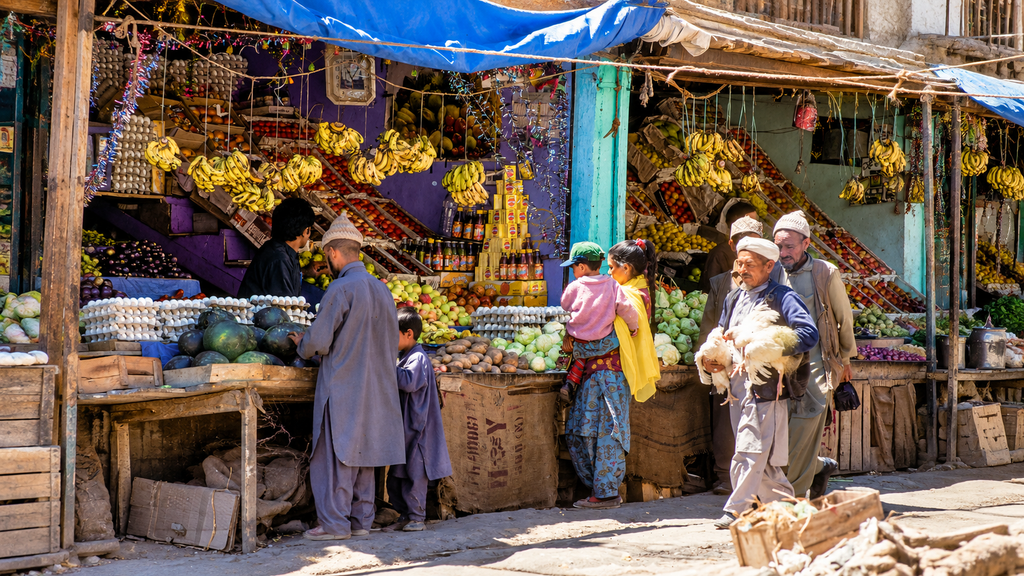
The cost of a Ladakh trip depends on your travel dates, accommodation, transport and group size. Sharing a taxi can make a considerable difference, while private transport and higher-end accommodation can increase the total.
The following figures are illustrative planning estimates for a seven-day trip. They are not verified live prices or fixed package rates.
Estimated Seven-Day Budget Per Person
Ladakh Trip Expenses: Plan Your Budget.
A Ladakh road trip can fit different budgets depending on where you stay, how you travel and how many people share your transport. Use this practical guide to estimate accommodation, food, sightseeing, activities and extra costs before booking your trip.
How Much Does a Ladakh Trip Cost?
These illustrative seven-day land-trip budgets exclude flights and permit or environmental fees that must be verified for your itinerary. They assume shared accommodation and shared sightseeing transport.
Travel on a Budget
₹23,500–₹36,000Estimated per person, excluding flights and applicable fees.
- Accommodation ₹10k–₹15k
- Food ₹4k–₹6k
- Shared transport ₹8k–₹12k
- Activities and extras ₹1.5k–₹3k
Mid-Range Travel
₹41,000–₹66,000Estimated per person, excluding flights and applicable fees.
- Accommodation ₹20k–₹30k
- Food ₹7k–₹10k
- Shared transport ₹14k–₹20k
- Activities and extras ₹3k–₹6k
Detailed Ladakh Expense Breakdown
Compare the main travel expenses before deciding how much money to set aside. Actual prices depend on dates, availability, accommodation standards and the number of people travelling together.
| Expense | Budget | Mid-range |
|---|---|---|
| Accommodation, 6 nights | ₹10,000–₹15,000 | ₹20,000–₹30,000 |
| Food, 7 days | ₹4,000–₹6,000 | ₹7,000–₹10,000 |
| Shared sightseeing transport | ₹8,000–₹12,000 | ₹14,000–₹20,000 |
| Activities and small extras | ₹1,500–₹3,000 | ₹3,000–₹6,000 |
| Permit and environmental fees | Verify current rates | Verify current rates |
| Land subtotal before fees | ₹23,500–₹36,000 | ₹41,000–₹66,000 |
Budget figures are planning estimates, not live quotations. The subtotal adds the accommodation, food, transport and activity ranges shown above. Flights, applicable fees, insurance and emergency reserves are additional.
Extra Costs to Include in Your Budget
The basic trip budget is only part of the total. These expenses can make a noticeable difference to the final amount you spend.
Flights to Leh
Airfare varies with your departure city, travel dates, baggage allowance and booking time. Check current fares before finalising your trip budget.
Accommodation Extras
Private rooms, premium hotels, peak-season stays and additional nights can increase the cost. Remote destinations may offer fewer accommodation choices.
Permits and Local Fees
Requirements depend on your nationality and destination. Check current rules and charges through the official Ladakh Tourism and Leh District websites.
Travel Insurance
Review the coverage for high-altitude travel, medical emergencies and evacuation. Policies differ, so confirm that your activities and destinations are covered.
Activities and Shopping
Camel rides, entry tickets, local products and souvenirs are optional expenses. Choose activities that fit your interests and budget.
Emergency Reserve
Set aside extra money for road delays, unexpected accommodation, transport changes or additional meals if your journey takes longer than planned.
How to Save Money on Your Ladakh Trip
A few sensible decisions can help reduce expenses without turning your holiday into a rushed or uncomfortable experience.
Travel with a small group to divide sightseeing transport costs. Agree on the route and price before starting.
Check guesthouses and homestays as well as hotels. Compare location, facilities and cancellation conditions.
Group nearby attractions together and allow realistic driving time to avoid unnecessary travel costs.
Compare available accommodation and transport options before peak travel periods.
Try local cafés and simple restaurants rather than choosing expensive meals for every occasion.
Set aside a reserve for unexpected delays instead of spending your entire budget on bookings.
Practical Money Tips Before You Go
Cash, Payments and Remote Travel
Carry some cash for small purchases and places where digital payments may not be available. Do not assume that every remote village has a working ATM or reliable mobile connectivity.
Keep a record of important bookings, contact details and any required travel documents. A power bank can be useful during long road journeys.
Check the latest travel rules and local fees before leaving Leh for remote destinations.
The prices in this guide are illustrative estimates, not verified current market prices. Confirm hotel rates, taxi quotations, flight fares and applicable government fees before making bookings. Never compromise on altitude safety or suitable transport to save money.
These totals exclude flights and the fees that need to be confirmed for your trip. The transport estimate assumes you are sharing the cost with other travellers; a private vehicle for a small group may change the per-person amount substantially.
Add your flights, travel insurance and an emergency reserve to estimate the complete cost. Actual prices can be higher during busy travel periods.
Simple Ways to Save Money
- Share sightseeing transport with other travellers.
- Compare guesthouses and homestays rather than booking only premium hotels.
- Eat at local cafés and restaurants when practical.
- Book accommodation in advance for busy summer dates.
- Carry some cash for places where digital payments or ATMs may not work reliably.
- Keep extra money for delays, unexpected accommodation and changes to transport.
- Do not choose the cheapest option if it compromises your safety or leaves you without suitable accommodation at a remote destination.
Health and Safety Tips for Ladakh
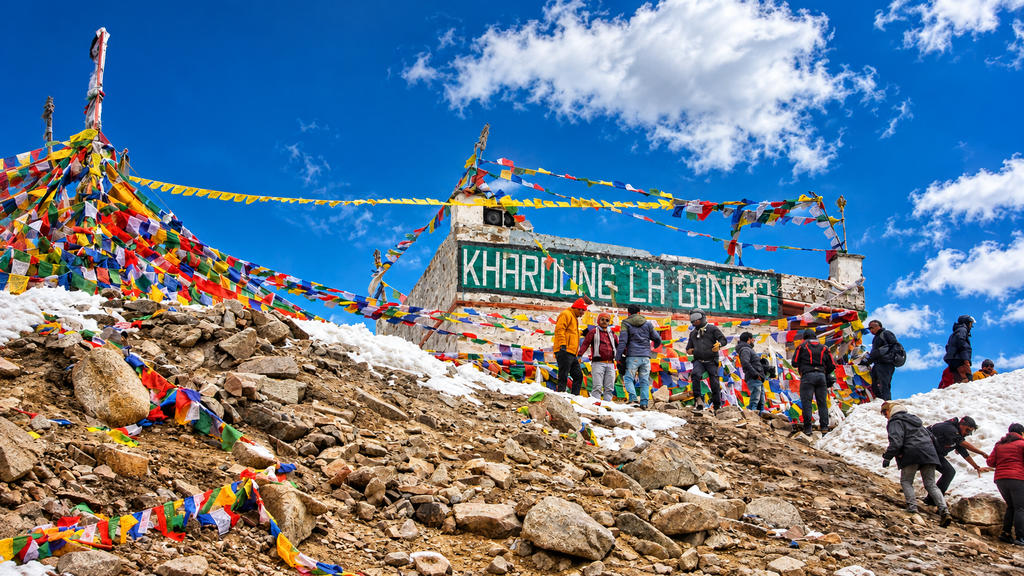
Altitude is one of the most important considerations when visiting Ladakh. Prepare for it before departure and take symptoms seriously.
- Acclimatise gradually: Rest during your first days and avoid strenuous activity.
- Avoid alcohol initially: Avoid it for at least the first 48 hours at high altitude.
- Do not ascend with symptoms: If you develop altitude-sickness symptoms, stop going higher and seek medical advice.
- Recognise emergencies: Confusion, difficulty walking or breathlessness at rest require urgent medical attention and descent.
- Speak to your doctor: Get individual advice before travelling if you have an existing heart or lung condition or another relevant medical concern.
- Protect yourself from the sun: Bring sunscreen, sunglasses and lip balm.
- Check weather and road updates: Mountain conditions can change quickly.
- Drink safe water and eat regularly: Carry drinking water and avoid untreated water from streams or rivers.
- For more detailed information, read the CDC’s high-altitude travel guidance.
What to Pack for Ladakh
Packing for Ladakh means preparing for changing temperatures, strong sunlight and long road journeys.
Bring:
- Warm layers and a windproof jacket.
- Comfortable walking shoes.
- Sunscreen, lip balm and sunglasses.
- A refillable water bottle.
- A power bank and charging cables.
- Personal medication and basic supplies recommended by your doctor.
- Valid identification and any required permit documents.
- Cash for smaller purchases and unexpected expenses.
- Gloves and a warm hat for cold mornings and high passes.
Pack according to the season and the destinations you intend to visit. Remote areas may have fewer shops and limited access to supplies.
Common Mistakes to Avoid
Rushing to Pangong Lake
Give yourself time to acclimatise before visiting higher destinations. Your health is more important than completing every planned stop.
Planning Too Many Stops
Mountain roads take time, and weather can delay even a carefully planned journey. Leave room for breaks and unexpected changes.
Trusting Outdated Permit Information
Check official sources before travelling. Requirements and access restrictions may change.
Leaving No Spare Time
A buffer day can help when road conditions or flights change. Avoid scheduling important onward travel too tightly.
Underestimating the Cold
Sunny afternoons do not mean that nights will be warm. Carry suitable clothing for high-altitude destinations.
Ignoring Altitude Symptoms
Do not continue ascending just to keep your itinerary on schedule. Seek medical advice if you feel unwell.
Riding Without Suitable Experience
Mountain roads require appropriate skills, preparation and awareness of local conditions. Choose transport that matches your experience.
Frequently Asked Questions
How many days are enough for Ladakh?
Seven days is a useful starting point for a first trip focused on Leh, Nubra Valley and Pangong Lake. Longer stays allow you to travel more slowly or include places such as Turtuk and Tso Moriri.
How much does a seven-day Ladakh trip cost?
The land-only estimates in this guide range from approximately ₹23,500 to ₹66,000 before applicable permit and environmental fees. Add flights, insurance and an emergency reserve. Actual costs depend on your travel style and group size.
Is Ladakh suitable for first-time visitors?
Yes, but first-time visitors should plan around altitude, weather and road conditions. A relaxed itinerary and reliable local transport can make the experience more manageable.
When is the best time to visit Ladakh?
May to September is a popular period for classic road trips, but weather and access vary. Check local road updates before fixing your travel dates.
Do I need permits to visit Ladakh?
Requirements depend on your nationality, destination and current regulations. Check the official Ladakh Tourism and Leh District websites before visiting remote or restricted areas.
Is Pangong Lake worth an overnight stay?
An overnight stay gives you more time to enjoy the changing light and early morning scenery. However, the lake is at high altitude, so consider your health and acclimatisation before deciding.
Can I travel from Nubra Valley to Pangong Lake directly?
A connecting route via the Shyok road is used when conditions allow. Confirm that the road is open and suitable with your local driver. If not, you may need to return to Leh and adjust your plans.
Final Thoughts
Ladakh is best approached with curiosity rather than a checklist. The monasteries tell stories of the region’s culture, the villages offer a slower rhythm of life, and the mountain roads reveal landscapes that change with every turn.
Plan your first days carefully, allow extra time for long drives and keep your schedule flexible. You do not need to see every lake or cross every pass on your first visit.
Sometimes the best travel decision is to slow down, look around and enjoy the place you have come so far to see.
Before you leave, check the latest official travel guidance, confirm road access and make sure your plans are realistic for the time you have.