Discover the Beauty of Oman
Oman is one of those destinations that feels different from the moment you arrive. Instead of crowded tourist streets and heavily developed attractions, you find dramatic mountains, quiet beaches, golden deserts, ancient forts, green valleys, and villages surrounded by rugged landscapes.
From the lively streets of Muscat to the peaceful sands of Wahiba Sands, Oman offers a surprising variety of experiences within a relatively small country. Whether you enjoy road trips, photography, history, beaches, hiking, or simply discovering places away from the usual tourist trail, Oman has plenty to explore.
If you are planning your first trip, these are some of the best places to visit in Oman. If you enjoy exploring destinations by car, check out our guide to 10 Best Road Trips Around the World for more travel inspiration. 10 Best Road Trips Around the World
Muscat
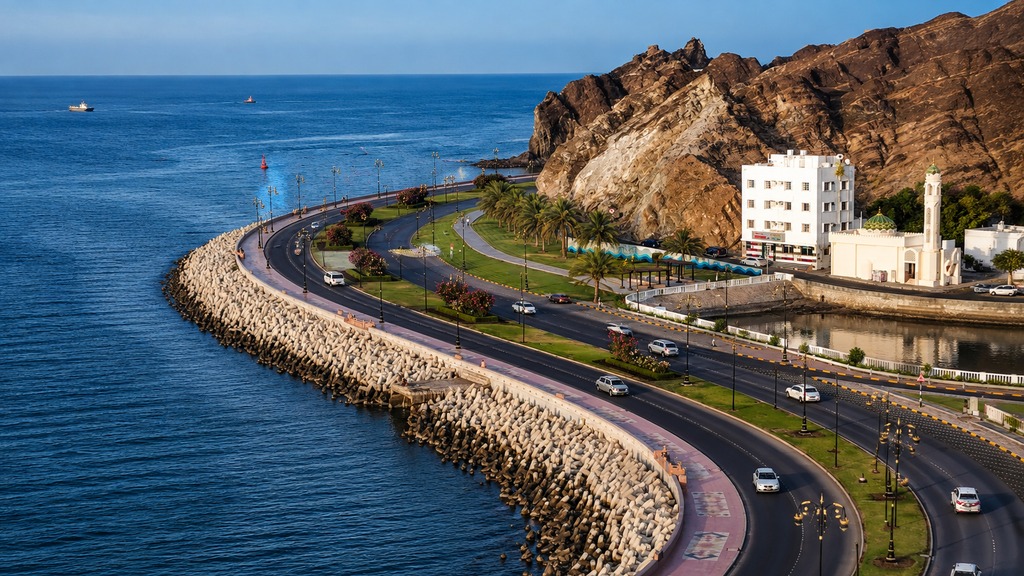
uscat is the natural starting point for most Oman trips and a great introduction to the country’s culture and scenery. The capital combines modern infrastructure with traditional Omani architecture, coastal landscapes, historic neighborhoods, and mountain views.
One of the city’s most famous landmarks is the Sultan Qaboos Grand Mosque, known for its impressive architecture and peaceful surroundings. The Mutrah area is another essential stop, especially for travelers who want to experience the traditional side of Muscat.
Take a walk along the Mutrah Corniche, explore Mutrah Souq, and spend some time around the old harbor. The nearby Al Alam Palace and historic forts also offer excellent opportunities for photography.
Nizwa
For travelers interested in Omani history and culture, Nizwa is one of the best places to visit in Oman. Once an important center of trade, religion, and education, the city still has a strong connection with the country’s past.
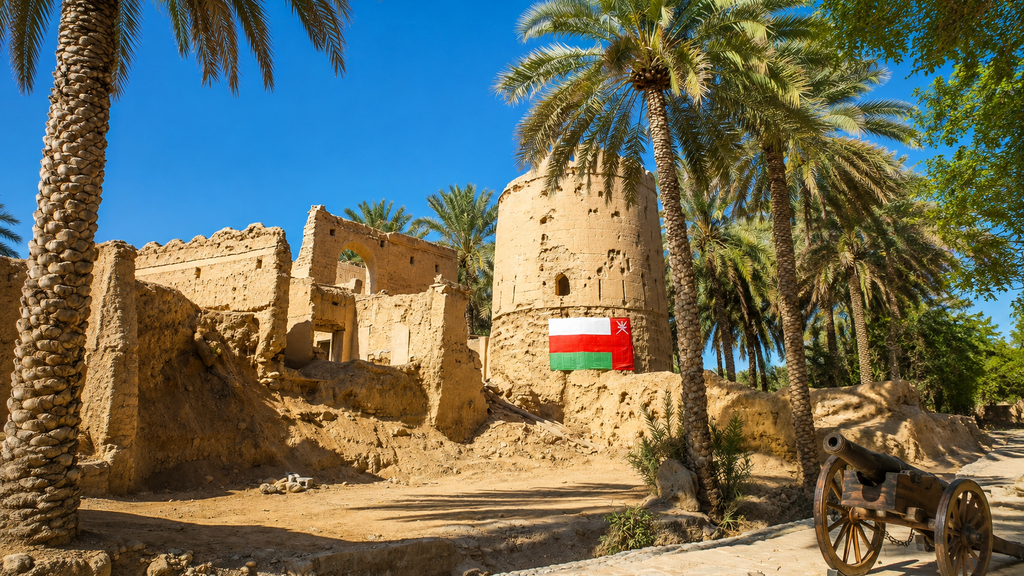
Nizwa Fort stands as one of the city’s most iconic landmarks. Its massive circular tower and traditional architecture tell stories of Oman’s defensive history. Inside, you can explore rooms, passages, exhibits, and viewpoints overlooking the surrounding area.
Nizwa Souq is another highlight. The market is a great place to see traditional handicrafts, pottery, spices, dates, and other local products.
If you can, visit Nizwa on a Friday morning when the famous livestock market brings an extra sense of activity to the old city.
Jebel Akhdar
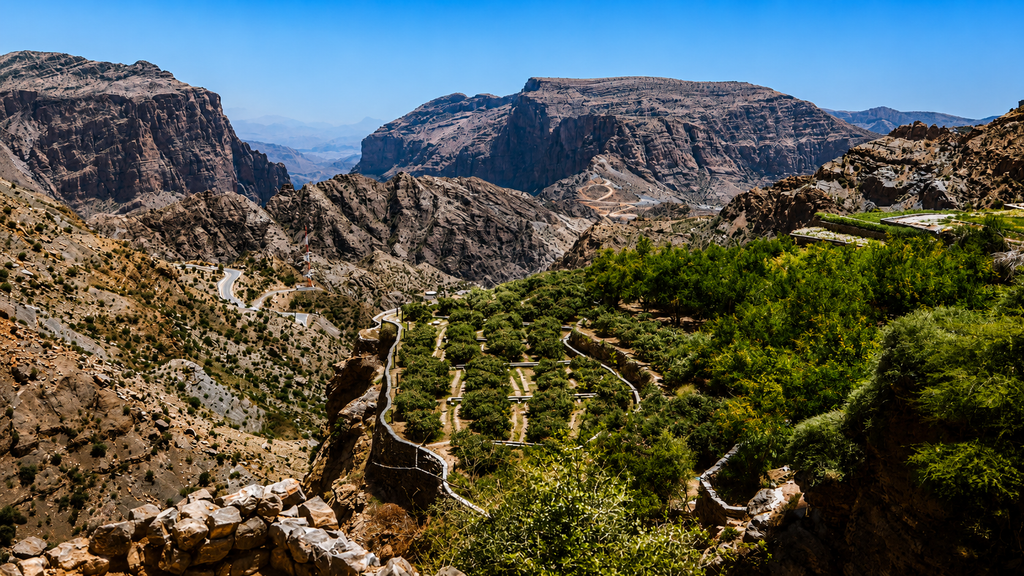
Jebel Akhdar, meaning “Green Mountain,” is part of the Al Hajar mountain range and offers a completely different side of Oman.
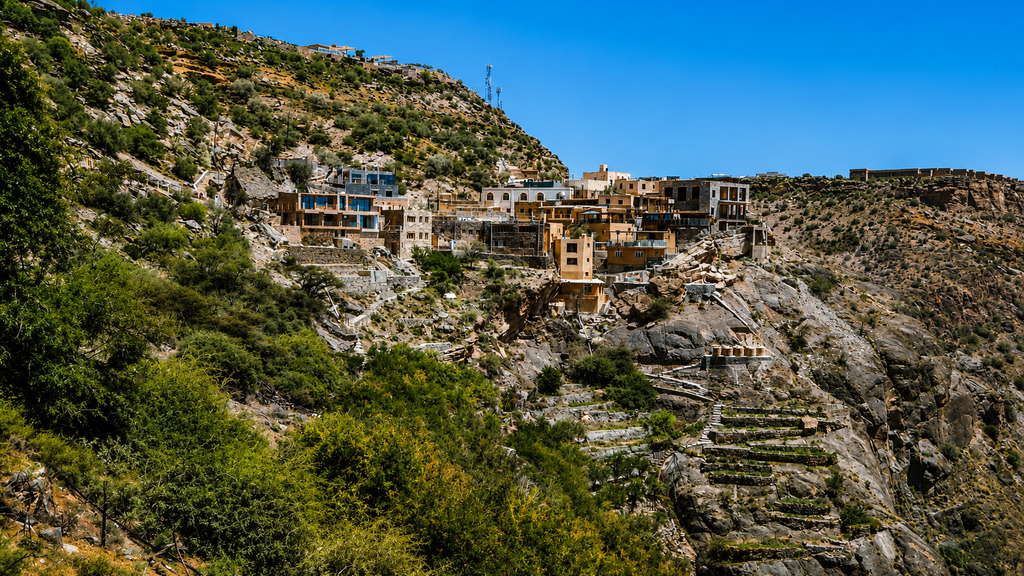
The region is known for its cooler temperatures, dramatic cliffs, mountain villages, terraced farms, and seasonal greenery. During the right time of year, roses bloom across parts of the mountains, creating beautiful landscapes and filling the air with fragrance.
Jebel Akhdar is especially appealing to travelers who enjoy scenic drives, hiking, photography, and peaceful mountain stays.
The mountain roads lead to viewpoints where you can look across deep valleys and rugged peaks. The famous village areas around Saiq, Al Ain, and Al Hamra provide glimpses of traditional mountain life.
Jebel Shams
If dramatic landscapes are what you are looking for, Jebel Shams deserves a place on your Oman itinerary. It is widely known for its spectacular mountain scenery and enormous canyon landscapes.
The area is sometimes called the “Grand Canyon of Oman” because of its impressive cliffs and deep valleys. The Balcony Walk is one of the best-known hiking experiences in the region, offering views over the canyon and surrounding mountains.
Even if you are not an experienced hiker, the viewpoints around Jebel Shams can make the journey worthwhile.
Bring water, comfortable footwear, sun protection, and enough time to enjoy the scenery instead of rushing from one viewpoint to another.
Wadi Shab
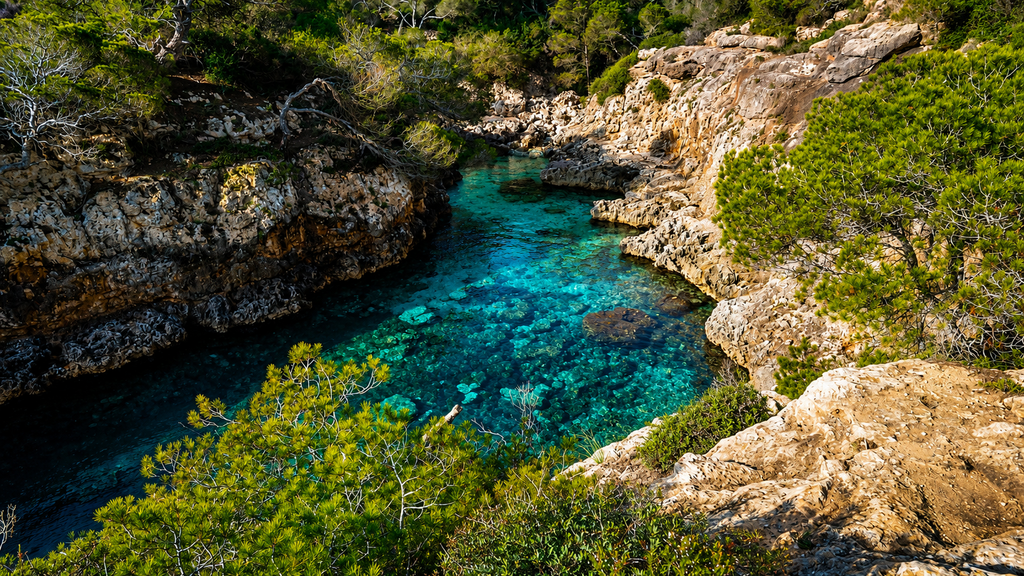
Wadi Shab is one of Oman’s most popular natural attractions, and for good reason. The journey itself is part of the experience, with rocky mountains surrounding a beautiful valley filled with pools of clear water.
Visitors usually hike through the wadi before reaching the swimming areas. The combination of mountains, palm trees, rock formations, and turquoise water makes it one of the country’s most photogenic locations.
Depending on conditions, visitors can swim through sections of the wadi and explore the dramatic landscape.
Wadi conditions can change, especially after rain, so always check local conditions before visiting.
Wahiba Sands
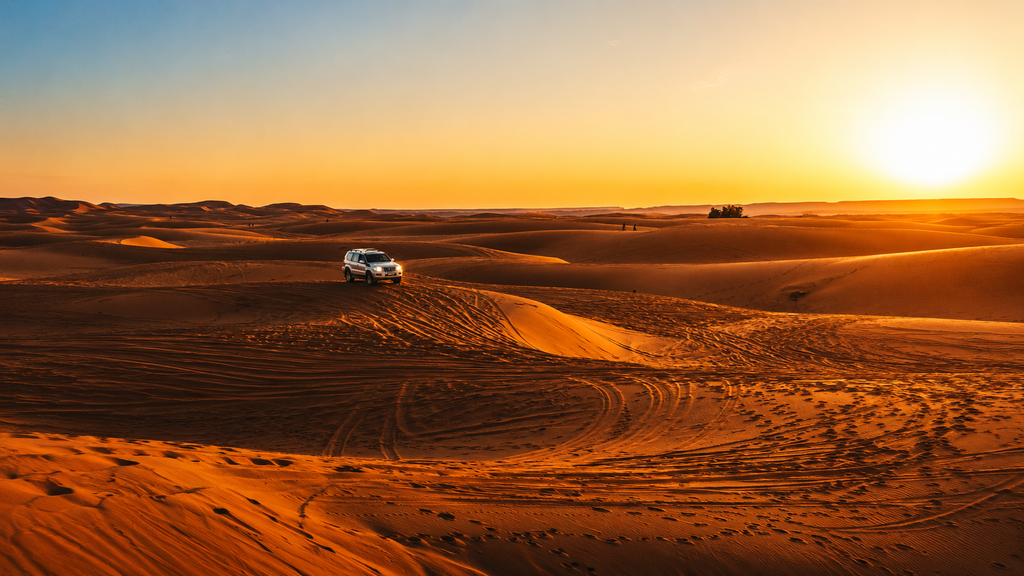
For a completely different experience, head into the desert. Wahiba Sands, also known as Sharqiya Sands, stretches across a vast landscape of golden dunes in eastern Oman.
A desert trip can include dune driving, sunset views, camel experiences, traditional meals, and overnight stays in desert camps.
The landscape changes dramatically throughout the day. Early morning brings soft light across the dunes, while sunset creates long shadows and warm colors across the sand.
Spending a night in the desert is especially memorable because the sky becomes incredibly clear after dark, away from the lights of major cities.
Salalah
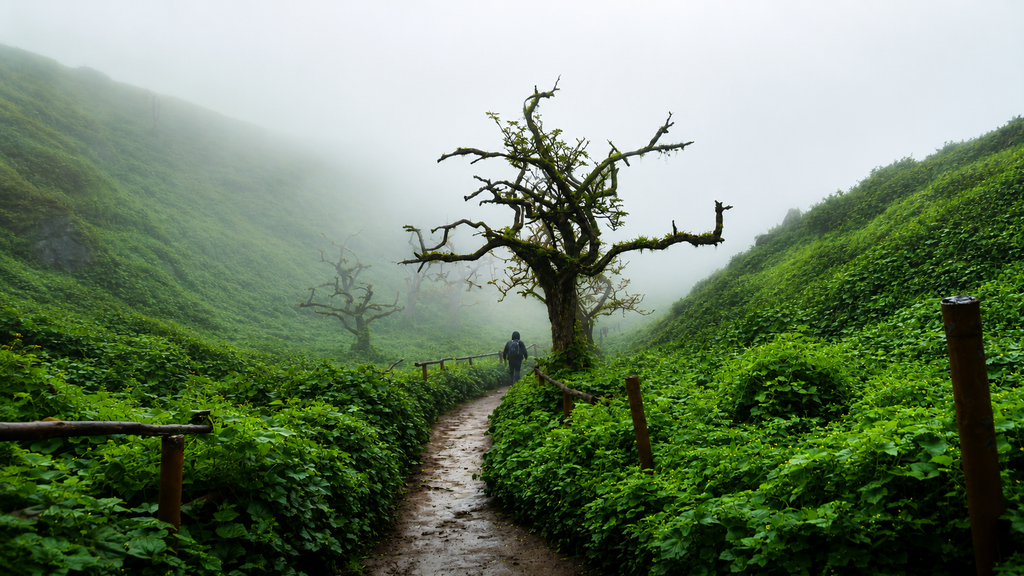
Salalah offers one of the most unusual landscapes in Oman. Located in the south, the city becomes especially attractive during the Khareef season, when seasonal rains transform parts of the region into green hills and misty landscapes.
The surrounding area offers beaches, waterfalls, coconut plantations, mountains, and natural viewpoints. Salalah is also famous for its frankincense heritage.
The landscape during Khareef can feel completely different from the dry desert scenery found elsewhere in Oman. Outside the green season, Salalah still offers beautiful beaches, archaeological sites, markets, and coastal scenery.
Sur
Sur is a coastal city with a long maritime history and a quieter atmosphere than Muscat. It is particularly interesting for travelers who want to experience Oman’s connection with the sea.
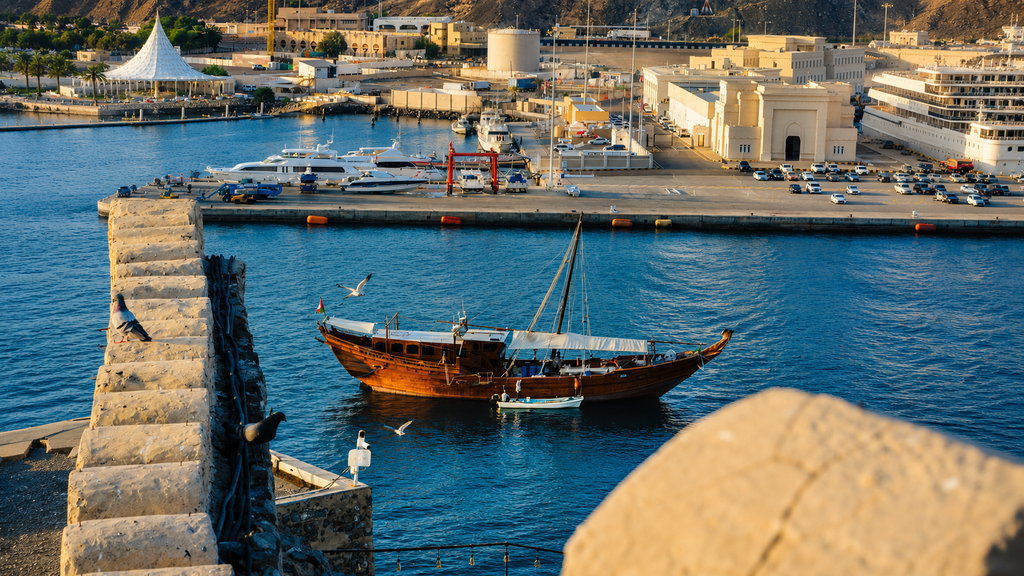
The city is famous for traditional dhow building, and visiting a boat-building workshop can provide a fascinating look at an important part of Omani heritage.
Sur also makes a convenient base for exploring nearby coastal attractions, including Ras Al Jinz and surrounding beaches.
A drive along the coast around Sur can be just as rewarding as visiting the city itself.
Ras Al Jinz
Ras Al Jinz is located on Oman’s eastern coastline and is known for its sea turtle conservation area.
The area is particularly famous for green turtles that come ashore to lay their eggs. Turtle sightings depend on natural conditions and are never guaranteed, but the experience can be remarkable when conditions are right.
Because this is a protected natural environment, visitors should follow local guidelines and avoid disturbing the animals.
Ras Al Jinz is also a beautiful coastal destination, with rugged shorelines and open sea views.

Musandam
At the northern edge of Oman lies Musandam, a mountainous peninsula famous for its dramatic coastline. Steep cliffs rise directly from the sea, creating landscapes that are very different from much of mainland Oman.
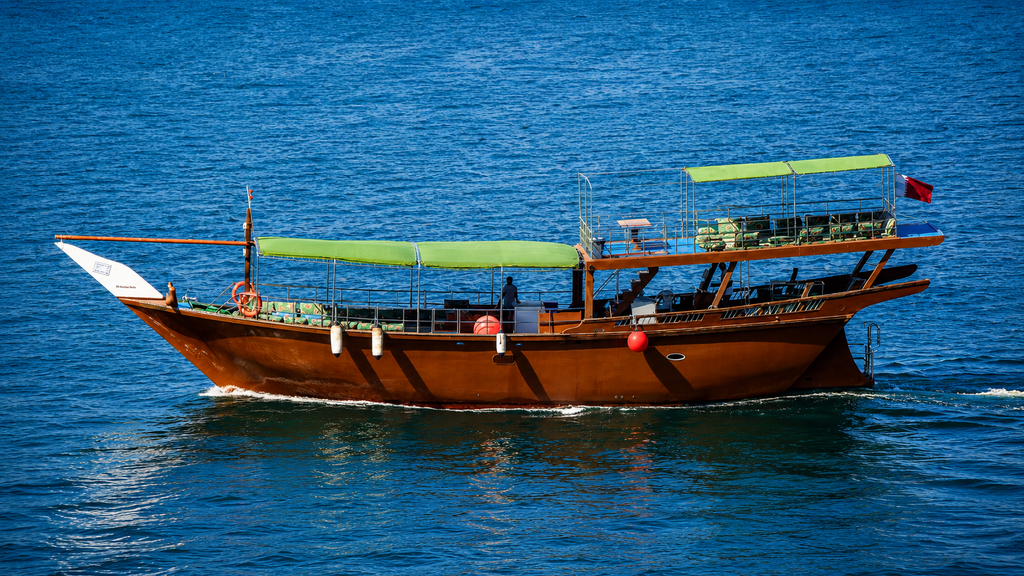
A traditional dhow cruise is one of the best ways to experience the region. From the water, you can see towering cliffs, quiet coves, and clear blue water.
Dolphin sightings are also possible during some boat trips, although wildlife encounters cannot be guaranteed.
Musandam is ideal for travelers looking for boating, snorkeling, photography, and spectacular coastal scenery.
Best Time to Visit Oman
The best time to explore most of Oman is generally from October to April, when temperatures are more comfortable for sightseeing, road trips, hiking, and outdoor activities.
Summer can be extremely hot in many parts of the country, although Salalah becomes a special destination during the Khareef season.
If your trip focuses on mountains and outdoor adventures, cooler months are usually more comfortable.
Tips for Traveling Around Oman
Oman is an excellent country for road trips, but preparation makes the journey much easier.
- Carry plenty of drinking water, especially when visiting remote areas.
- Keep your vehicle fueled when traveling long distances.
- Check mountain and wadi conditions before outdoor activities.
- Wear comfortable shoes for hiking.
- Respect local customs and dress appropriately.
- Keep natural areas clean, and always take your rubbish with you.
- Carry sunscreen, sunglasses, and a hat.
- Download useful maps before entering areas with limited mobile coverage.
- Drive carefully on mountain roads and avoid unnecessary risks.
- Allow extra time between destinations because scenic stops can easily turn a short drive into a full-day adventure.
Frequently Asked Questions
Is Oman good for first-time travelers?
Yes. Oman offers modern roads, impressive natural attractions, historic sites, and a relatively relaxed travel experience. It is particularly enjoyable for travelers who like independent road trips and outdoor exploration.
How many days are enough for Oman?
Around 7 to 10 days can give you a good introduction to Muscat, Nizwa, the mountains, wadis, desert, and parts of the coast. A longer trip allows you to explore more slowly.
Is Oman expensive to visit?
The cost depends on your travel style. Budget travelers can save by choosing simple accommodation and planning their own road trips, while resorts and organized experiences can increase the overall cost.
Can I explore Oman by car?
Yes. A car is one of the most convenient ways to explore Oman, particularly if you want to visit mountains, wadis, deserts, and smaller towns outside Muscat.
Final Thoughts
Oman is more than a destination for a quick city break. It is a country where mountains, deserts, beaches, villages, and ancient heritage can all become part of the same journey.
You can begin your trip exploring Muscat’s coastline, spend the next day walking through historic Nizwa, drive into the mountains, swim in a wadi, watch the sunset over desert dunes, and finish your adventure beside the sea.
The best part is that many of Oman’s most memorable experiences come from simply taking the road less traveled and giving yourself time to explore.
If you are planning your first visit, start with a few key destinations rather than trying to see everything at once. Oman rewards slow travel, scenic drives, spontaneous stops, and travelers who are willing to look beyond the obvious attractions.