
Choose Your Destination Wisely
How to plan your first international trip can feel overwhelming at first, but it doesn’t have to be. With a little preparation, a realistic budget, and a simple plan, you can enjoy your first trip abroad with confidence.
There is something exciting about looking at a map and realizing that your next destination is in another country.
I still remember the feeling of looking at my passport for the first time and wondering if I had actually thought of everything.
The flight was booked. The hotel was reserved. My bag was packed—or at least I thought it was. But as the departure date got closer, the questions started piling up. 10 Best Cities in the World for a First International Trip
What if I took the wrong train? What if I couldn’t find my hotel? Did I need a visa? Would my bank card work? How much cash should I carry? And, perhaps most importantly, what happens when you’re thousands of miles from home and suddenly realize you don’t know what you’re doing?
That nervousness is something many first-time international travelers experience.
You can spend weeks watching travel videos, saving places on Google Maps, and building the perfect itinerary, but nothing quite prepares you for the moment you walk through an unfamiliar airport and realize that everything around you is new.
And honestly, that’s part of the magic.
Your first international trip isn’t about knowing exactly what to do every minute. It’s about preparing well enough that you can handle the unexpected—and then giving yourself permission to enjoy being somewhere completely different.
The good news is that planning your first trip abroad doesn’t have to be complicated. You don’t need to become an expert traveler overnight. You simply need to take things one step at a time: choose a destination, understand the entry requirements, set a realistic budget, book your essentials, and prepare for the journey.
Once those pieces are in place, something interesting happens. The anxiety starts turning into excitement.
The map on your screen becomes a real place. The airport departure board suddenly means something. And that destination you’ve been imagining is no longer just a pin on your phone—you’re actually going there.
Whether you’re dreaming about walking through the streets of Paris, exploring Southeast Asia, relaxing on a tropical beach, or taking your first trip somewhere completely unfamiliar, here’s how to plan your first international trip without letting the preparation overwhelm you.
Start With One Destination
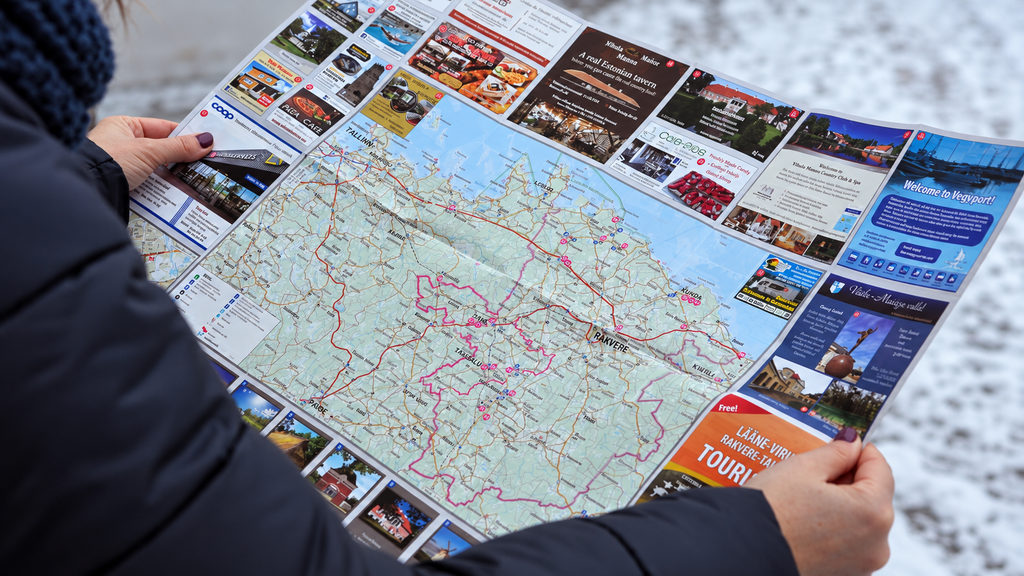
The easiest way to make your first international trip complicated is to choose too many places at once.
Instead, start with one destination that genuinely interests you.
Think about what you want from the trip. Maybe you want beautiful scenery, interesting food, history, beaches, nightlife, shopping, or simply the experience of seeing a different part of the world.
You don’t need to choose the most famous destination. Choose the place that makes you want to travel.
Once you have a destination, researching everything else becomes much easier.
Look at the country’s general cost of travel, weather, transportation, safety, visa requirements, and the amount of time you have available.
If this is your first trip abroad, a destination with straightforward transportation and plenty of tourist infrastructure can make the experience less stressful.
Check Your Passport and Visa Requirements
Before booking anything, check your passport.
Make sure it is valid for the period required by your destination. Some countries require several months of remaining passport validity beyond your arrival date.
Then check whether you need a visa.
Visa rules depend on your nationality, destination, length of stay, and purpose of travel. Some countries offer visa-free entry, while others require an eVisa, visa on arrival, or an application before departure.
Always check the latest requirements through the destination country’s official government or immigration website.
Don’t rely entirely on an old blog post or social media video. Entry requirements can change.
Also check whether you need additional documents such as proof of accommodation, return or onward tickets, travel insurance, or evidence of sufficient funds.
This is one part of your trip where being careful is much better than being surprised at the airport.
Bro, I’d add the checklist just before “The Night Before You Leave” so it works as a practical save-and-use section rather than interrupting the storytelling.
Your Practical Pre-Trip Checklist
A few days before you leave, stop researching and start checking things off.
Use this simple checklist to make sure the important details are covered:
Documents
- Passport is valid for the required period
- Visa or entry authorization is confirmed
- Flight tickets and booking details are saved
- Accommodation is confirmed
- Travel insurance details are accessible
- Copies of important documents are stored securely
- Emergency contact information is saved
Money
- Main bank card is ready for international use
- Backup card is packed separately
- Some local currency or emergency cash is available
- You know your bank’s foreign transaction fees
- You have a small emergency budget
Phone & Technology
- Phone is unlocked if you plan to use a local SIM
- Roaming, SIM, or eSIM plan is arranged
- Offline maps are downloaded
- Translation app is ready
- Airline and transportation apps are installed
- Important reservations are available offline
- Phone, watch, camera, and other devices are charged
- Chargers and adapters are packed
Packing
- Weather-appropriate clothes
- Comfortable walking shoes
- Toiletries
- Necessary personal medications
- Universal travel adapter if required
- Small day bag
- Passport and valuables in your carry-on
- Checked baggage is within the airline’s weight limit
Before Leaving Home
- Check the latest flight status
- Confirm your departure terminal
- Check airport transportation
- Confirm how you’ll reach your accommodation
- Check the destination’s latest entry requirements
- Share your basic itinerary with someone you trust
- Lock up your home and check essential appliances
- Set an alarm
- Get a good night’s sleep
One final tip: don’t keep all your important documents, money, and cards together. If something goes missing, having backups in separate places can make a huge difference.
The goal isn’t to eliminate every possible problem. It’s simply to make sure that the problems you can prepare for aren’t the ones that surprise you.
The Night Before You Leave
The night before your flight, don’t try to reorganize your entire life.
You’ve already checked the important things. Now, do one final look through your passport, wallet, phone, charger, travel documents, accommodation details, and transportation plan.
Check your flight status and confirm your departure terminal if applicable.
Set an alarm and give yourself plenty of time to reach the airport.
Then get some rest.
You’ve done the planning.
Now it’s time to enjoy the experience.
This makes the article more useful for readers because they can bookmark the post and actually use the checklist on departure day.
Set a Realistic Travel Budget
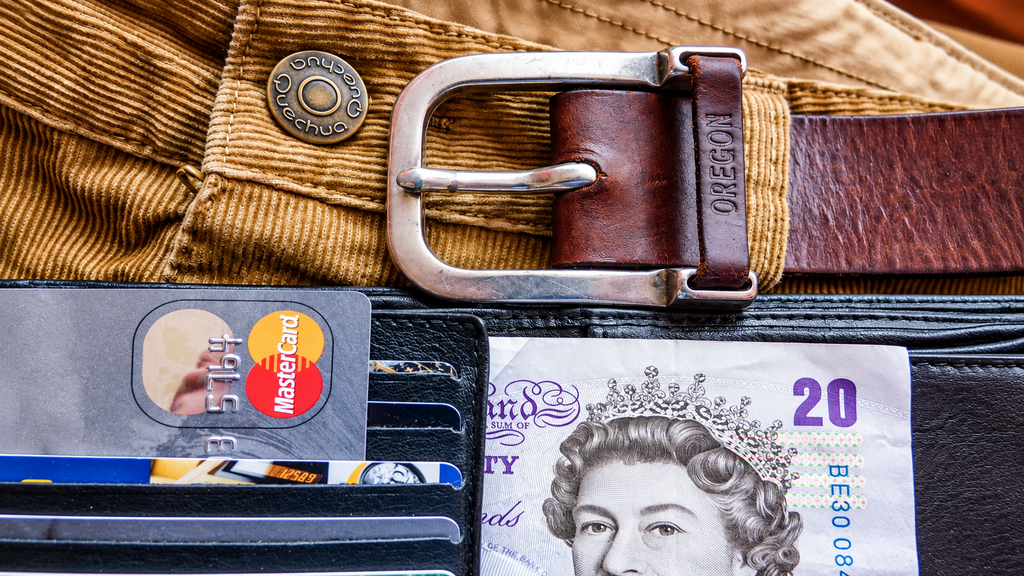
You don’t need a huge budget to take your first international trip, but you do need to know what you can realistically afford.
Start with a simple travel budget.
Include:
- Flights
- Accommodation
- Visa fees
- Travel insurance
- Local transportation
- Food and drinks
- Attractions and activities
- SIM card or mobile data
- Shopping
- Emergency money
Don’t plan your entire budget down to the last currency unit. 10 Best Cheapest Countries to Visit on a Budget
Unexpected expenses happen. A missed bus, a more expensive taxi, a change of plans, or an unplanned activity can quickly add up.
Having an emergency buffer gives you much more peace of mind.
It’s also useful to separate your travel money. Keep some cash accessible, but don’t carry everything in one place.
Find the Right Flight
Once you know your destination and approximate travel dates, start comparing flights.
Don’t automatically choose the cheapest ticket.
Look at the total journey, including baggage allowance, layovers, airport changes, departure times, and cancellation or change conditions.
A flight that costs slightly more but saves you several hours and avoids a difficult connection may be worth it.
For your first international trip, a simple itinerary can make a big difference.
If possible, avoid extremely short connections. If your first flight is delayed, you don’t want to be running through an unfamiliar airport hoping to catch your next plane.
When comparing flights, look at the complete journey rather than just the headline price.
Choose Accommodation Carefully

Where you stay can affect your entire travel experience.
You don’t necessarily need a luxury hotel. What matters is finding a place that is safe, reasonably located, and suitable for your budget.
Before booking, check the location on a map.
A cheap hotel far outside the city might save money on accommodation but cost you more in transportation and time.
Read recent reviews rather than looking only at the overall rating. Pay attention to comments about cleanliness, noise, location, check-in, and staff.
For a first international trip, staying somewhere with easy access to public transportation can be particularly helpful.
You don’t want your first morning in a new country to begin with an hour of trying to figure out how to reach the city center.
Plan Your First Day Carefully
You don’t need to plan every minute of your holiday.
In fact, you probably shouldn’t.
But your first day deserves a little extra attention.
Know how you’re getting from the airport to your accommodation before you arrive. Save the address of your hotel offline. Keep important booking information accessible on your phone.
After a long flight, you may be tired and less patient than usual.
Give yourself time to check in, eat something, shower, and recover.
You can explore nearby places if you have the energy, but there is no rule saying you need to start sightseeing immediately.
Your trip is supposed to be enjoyable, not a race.
Create a Simple Itinerary
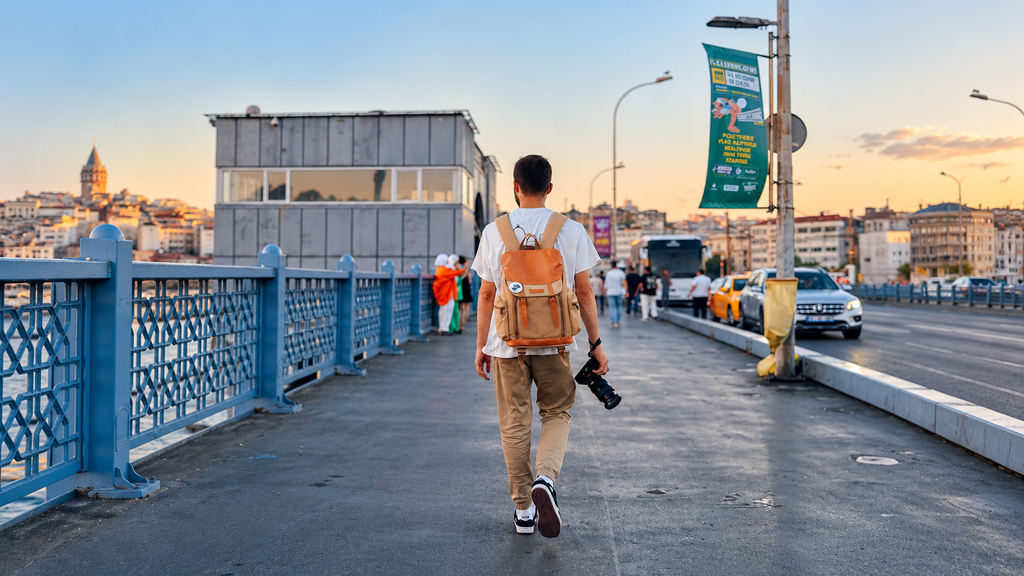
A good itinerary gives your trip structure without controlling every moment.
Start by listing the places and experiences you most want to see.
Then group attractions that are close to each other.
Instead of crossing the entire city three times in one day, explore one neighborhood or area at a time.
Choose two or three important activities for a day and leave some free time around them.
You don’t need to visit ten attractions every day.
Some of the best travel memories come from moments you didn’t plan—a small café you discovered while walking, a quiet street, a conversation with someone local, or a sunset you happened to catch.
Leave room for those moments.
Learn How You’ll Get Around
Transportation can be one of the biggest concerns during a first international trip.
Research the main options before you leave.
Depending on the destination, you may use trains, buses, metros, taxis, ride-hailing apps, rental cars, or domestic flights.
Download useful transportation apps before your trip.
It’s also helpful to understand the approximate cost of common journeys. This can help you recognize when a taxi or transportation service is charging far more than expected.
If you’re using public transportation, learn how tickets work before your first journey.
You don’t need to become an expert. Just know enough to get from the airport to your accommodation and move around confidently.
Prepare Your Money and Cards
Don’t depend on only one payment method.
Carry a combination of cards and some local cash where practical.
Before leaving, check your bank’s international transaction settings and fees.
It’s also worth having a backup card stored separately from your main wallet. How to Travel Alone for the First Time: 19 Beginner Tips
If your wallet disappears, having another payment option can turn a serious problem into a manageable inconvenience.
Keep emergency cash somewhere secure rather than carrying everything together.
Also remember that exchange rates and foreign transaction fees can affect your overall travel budget.
Get Travel Insurance
Travel insurance is easy to ignore when everything is going well.
You may wonder why you need it when your flight is booked and your hotel is confirmed.
But travel rarely comes with guarantees.
Flights can be cancelled. Bags can be delayed. Accidents can happen. Medical treatment abroad can be expensive.
A suitable travel insurance policy can provide protection against some unexpected situations.
Before buying one, read the policy rather than assuming every problem is covered.
Pay attention to medical coverage, trip cancellation, baggage protection, exclusions, and destination-specific conditions.
Prepare Your Phone for Travel
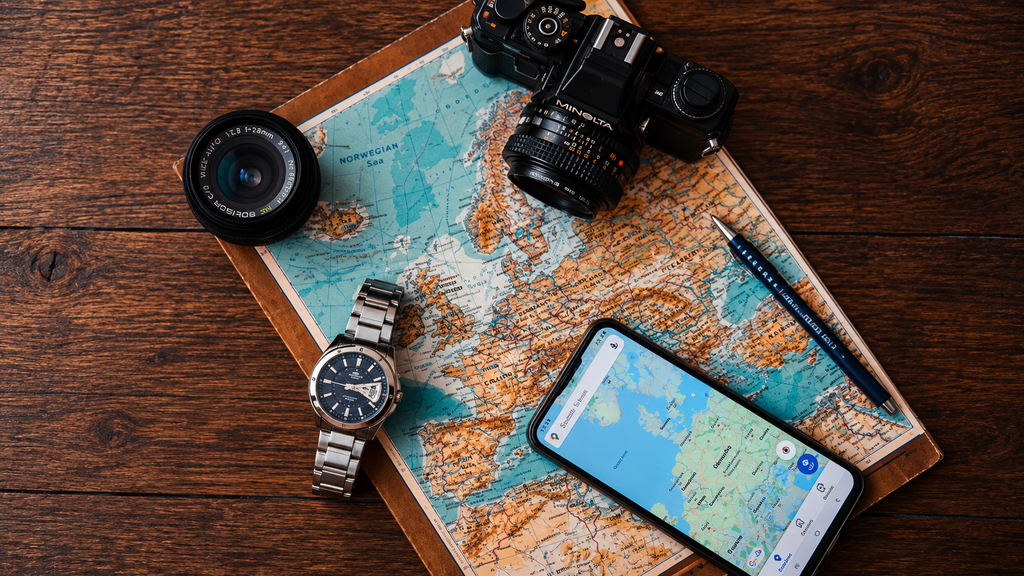
Your phone can become one of your most useful travel tools.
Before leaving, download:
- Offline maps
- Translation apps
- Airline apps
- Hotel booking information
- Transportation apps
- Important travel documents
- Emergency contact information
Take screenshots of important bookings in case you lose internet access.
You should also consider how you’ll get mobile data.
Depending on the country, you might use international roaming, a local SIM card, or an eSIM.
Don’t wait until you arrive at the airport to figure everything out if you can prepare beforehand.
Pack for the Trip You Are Actually Taking
Packing becomes much easier when you stop trying to prepare for every possible situation.
Check the weather forecast and pack accordingly.
Choose comfortable clothing that you can mix and match. Bring suitable shoes, basic toiletries, chargers, travel documents, and any essential personal items.
Keep your passport, wallet, phone, important documents, and other essentials somewhere easily accessible.
A small amount of overpacking isn’t the end of the world, but carrying a huge suitcase can make moving between airports, hotels, buses, and trains unnecessarily difficult.
Pack light enough that you can move comfortably.
Keep Copies of Important Documents
Before leaving, make copies of your important documents.
These may include:
- Passport
- Visa
- Flight tickets
- Hotel reservations
- Travel insurance
- Emergency contacts
Store digital copies securely online and keep offline copies on your phone.
You don’t expect to lose your passport or phone, but preparing for that possibility is much easier than dealing with it without any backup information.
Learn a Little About Local Culture
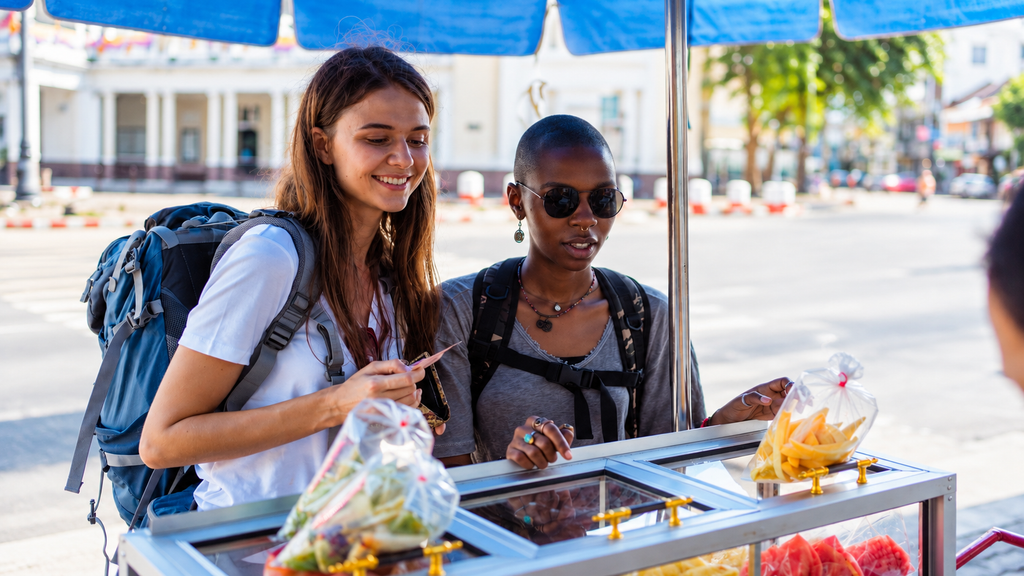
You don’t need to become an expert on your destination before visiting.
But learning a few basic cultural rules can make your trip smoother.
Research local customs, appropriate clothing, tipping expectations, photography etiquette, public behavior, and common greetings.
Learn a few simple words in the local language too.
Even saying “hello,” “thank you,” or “please” can make interactions feel warmer.
Travel isn’t just about seeing new places. It’s also about understanding that people may live differently from what you’re used to.
Image Suggestion: Traveler interacting respectfully with a local market or cultural setting.
Don’t Be Afraid of Getting Something Wrong
This might be the most important advice for your first international trip.
You will probably make a mistake.
Maybe you’ll take the wrong train. Maybe you’ll misunderstand a menu. Maybe you’ll walk in the wrong direction for twenty minutes.
That’s normal.
Travel teaches you how to solve small problems independently.
When something goes wrong, stop, take a breath, and work out the next step.
You don’t need to know everything immediately.
Most problems have a solution.
The Night Before You Leave
The night before your flight, don’t try to reorganize your entire life.
Check the basics.
Make sure you have your passport, wallet, phone, charger, travel documents, accommodation details, and transportation plan.
Check your flight status and confirm your departure terminal if applicable.
Set an alarm and give yourself plenty of time to reach the airport.
Then get some rest.
You’ve done the planning.
Now it’s time to enjoy the experience.
Final Thoughts
Planning your first international trip can seem complicated when you look at everything at once.
Break it into smaller steps.
Choose a destination. Check your passport and visa requirements. Set a realistic budget. Book your flight and accommodation. Arrange your transportation. Get travel insurance. Prepare your phone and documents. Then pack and go.
You don’t need a perfect itinerary.
Your first trip abroad is about more than checking attractions off a list. It’s about experiencing somewhere unfamiliar, becoming more confident, and discovering what kind of traveler you want to become.
So choose the place that makes you want to travel.
Do the important preparation.
And when the day finally comes, step onto that plane knowing that you don’t have to have everything figured out.
Sometimes, the best part of leaving home is discovering that you can find your way.
Frequently Asked Questions
How far in advance should I plan my first international trip?
For most trips, starting several weeks to a few months ahead gives you enough time to research flights, accommodation, visas, insurance, and other important details.
What should I check before booking an international flight?
Check passport and visa requirements first. Then compare the total flight cost, baggage allowance, layovers, airport connections, and change or cancellation conditions.
Do I need travel insurance for my first international trip?
Travel insurance can help protect you against certain unexpected costs, such as eligible medical emergencies, trip cancellations, or baggage problems. Check the policy details before purchasing.
How much money should I take on an international trip?
There is no universal amount. Your budget depends on the destination, accommodation, trip length, transportation, food, and activities. Always keep some emergency funds available.
Should I plan every day of my trip?
No. A simple itinerary is usually better than a packed schedule. Plan your important activities but leave free time for rest and spontaneous discoveries.
What is the most important thing to carry?
Your passport and required travel documents are the most important essentials. Keep them secure and accessible throughout your journey.
What if something goes wrong during my first trip abroad?
Stay calm and solve one problem at a time. Contact your airline, hotel, travel insurer, bank, or local authorities when appropriate. Having copies of your important documents and emergency contacts makes unexpected situations easier to handle.