The Road Is Part of the Journey
There is a special feeling that comes with driving through Europe.
You leave one city behind, follow a road through the countryside, and before long the landscape begins to change. Buildings become smaller, mountains appear on the horizon, and the road seems to invite you to keep going.
That is what makes a European road trip different from simply flying between cities.
You are not only travelling from one destination to another. The journey itself becomes part of the experience.
One morning you might be drinking coffee in Munich. A few hours later, you could be surrounded by the Austrian Alps. The following day might bring quiet lakes, Slovenian villages or the streets of northern Italy.
But planning a Europe road trip isn’t as simple as choosing a few cities and connecting them on a map.
Different countries have different road rules, toll systems, parking regulations and driving conditions. Distances can also be deceptive. A route that looks short on a map can take much longer once you include mountain roads, traffic, border crossings, photo stops and meals.
The best road trips therefore leave room for both planning and spontaneity.
Don’t Try to See All of Europe in One Trip
The first thing to understand is that Europe is much bigger than it looks.
It is tempting to build a huge itinerary that includes Paris, Amsterdam, Berlin, Prague, Vienna, Budapest, Venice, Rome and Barcelona. How to Find Cheap Flights: 17 Easy Ways to Save Money
The problem is that you may spend more time packing bags and driving than actually experiencing those places.
A better approach is to choose one region and explore it properly.
For example, a Central European road trip could connect:
Munich → Salzburg → Hallstatt → Ljubljana → Lake Bled → Venice
Another option could focus on northern Italy:
Milan → Lake Como → Dolomites → Verona → Venice
Or you could create an Alpine journey through parts of Germany, Austria, Switzerland and northern Italy.
The route doesn’t have to follow a famous itinerary.
Choose destinations that make sense geographically and give yourself enough time between them.
The best road trip is rarely the one with the most pins on the map.
A Classic Central Europe Road Trip
A Classic Central Europe Road Trip
One of the most interesting ways to experience Europe by car is to combine cities with mountains, lakes and smaller towns.
A route beginning in Munich and ending in Venice gives you a good mixture of all of them.
Munich: Begin in the City
Munich makes a practical starting point for an Alpine road trip.
Spend some time exploring the city before collecting your car. Walk through the historic centre, enjoy a local meal and give yourself time to adjust before starting the longer drive.
Once you leave Munich, the landscape gradually changes.
The urban environment gives way to countryside, and the Alps begin appearing in the distance.
That transition is part of the fun.
Don’t rush it.
Salzburg: Where the Mountains Get Closer
Continue toward Salzburg in Austria.
Salzburg has a compact historic centre, making it possible to explore much of the city without needing to drive around constantly.
This is a good place to slow down.
Walk through the old streets, explore the historic areas and spend an evening enjoying the scenery around the city.
From Salzburg, the road trip starts becoming more scenic.
Hallstatt and the Austrian Lakes
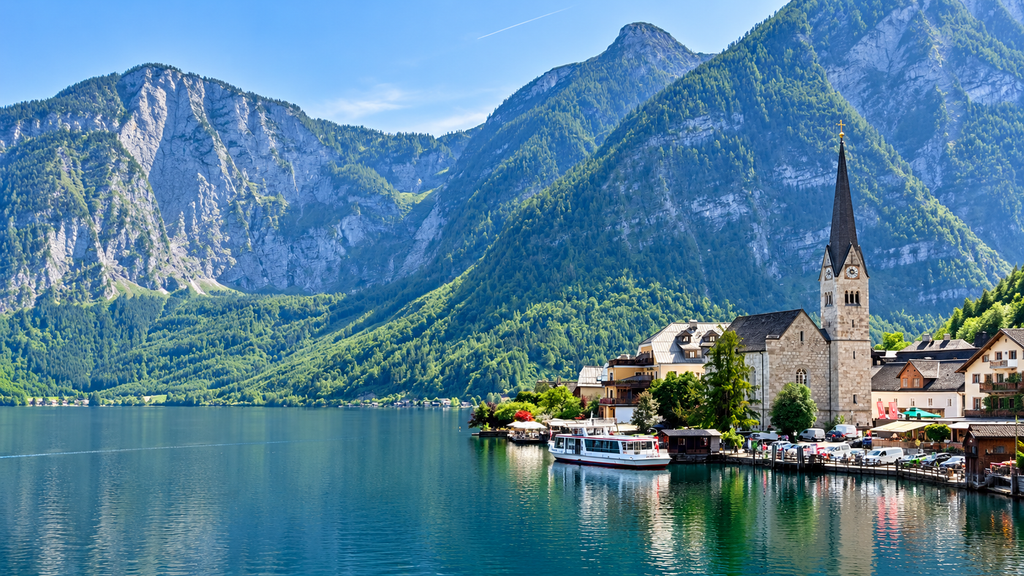
The journey from Salzburg toward the Austrian lake region is where you should allow yourself some flexibility.
Hallstatt is famous, but the surrounding landscape deserves attention too.
Instead of treating Hallstatt as a quick photograph stop, consider spending more time exploring the region.
Mountain roads, lakeside villages and viewpoints can easily turn a short drive into a full day.
If you see a viewpoint that looks interesting, stop when it is safe.
That’s one of the freedoms of travelling by car.
Ljubljana: A Different Side of Europe
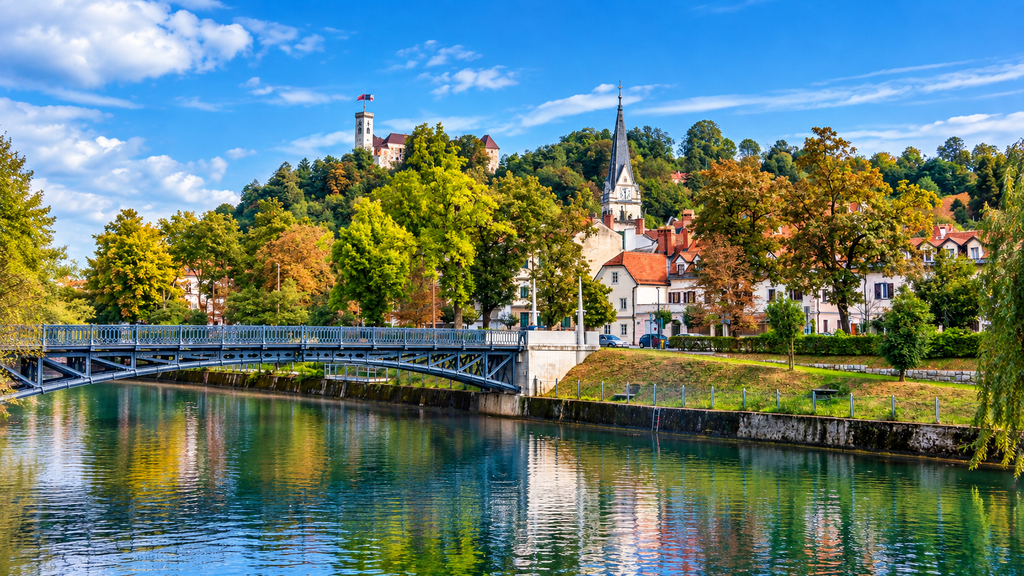
From Austria, continue toward Slovenia.
Ljubljana feels very different from the larger European capitals.
The city is compact, walkable and surrounded by green landscapes.
It also works well as a base for exploring nearby areas.
After spending time in Ljubljana, continue toward Lake Bled.
Lake Bled is one of those places that can easily become another rushed stop if you are trying to follow a strict itinerary.
Don’t make that mistake.
Give yourself enough time to walk around the lake, enjoy the surrounding landscape and simply slow down.
The mountains around the lake make it particularly beautiful in changing weather and light.
For photographers, early morning and late afternoon can be especially rewarding.
From Lake Bled, you can continue through Slovenia or head toward northern Italy.
Northern Italy and Venice
Eventually, the landscape changes again as you approach Italy.
Northern Italy offers another completely different experience.
You can choose between mountain regions, lakes, historic cities and smaller towns depending on how much time you have.
Eventually, you can finish the route in Venice. Paris Travel Guide for First-Time Visitors: 7 Amazing Tips
Remember that the historic heart of Venice is not a normal driving destination. Plan where you will leave the rental car before entering the pedestrian areas.
ROUTE MAP
Munich to Venice Road Trip
A scenic Central European journey through Germany, Austria, Slovenia and northern Italy, combining historic cities, alpine landscapes, lakes, villages and unforgettable roads.
Munich
Munich makes a practical starting point for an Alpine road trip. Spend time exploring the city before collecting your rental car. Walk through the historic centre, enjoy a local meal and give yourself time to adjust before beginning the longer drive.
If you arrive by air, avoid collecting the rental car immediately unless you actually need it. A parked rental car can add unnecessary cost in a major city.
Salzburg
Continue toward Salzburg in Austria. The relatively short drive gives you time to explore after arrival. Salzburg has a compact historic centre, making it easy to enjoy without constantly driving around the city.
Use Salzburg as a slower stop before entering the more scenic Alpine section of the journey.
Hallstatt & Austrian Lakes
The journey from Salzburg toward the Austrian lake region is where the road trip becomes especially scenic. Hallstatt is famous, but the surrounding landscape deserves attention too. Mountain roads, lakeside villages and viewpoints can turn a short drive into a full day.
Don’t treat Hallstatt as a quick photograph stop. Allow flexibility for scenic viewpoints and short stops, always stopping only where it is safe.
Ljubljana
From Austria, continue toward Slovenia. Ljubljana feels very different from the larger European capitals. The city is compact, walkable and surrounded by green landscapes, making it a useful base before continuing to Lake Bled.
Leave the car parked and explore the city on foot. This gives you a useful break from driving and keeps the journey balanced.
Lake Bled & Julian Alps
Lake Bled is one of those places that can easily become another rushed stop. Give yourself enough time to walk around the lake, enjoy the surrounding landscape and explore nearby alpine areas when weather conditions allow.
Let weather influence your plans. If conditions are poor in the mountains, spend more time around the lake or adjust the route.
Venice
Eventually the landscape changes as you approach northern Italy. You can choose between mountain regions, lakes, historic cities and smaller towns before finishing the journey in Venice.
The historic heart of Venice is not a normal driving destination. Plan where you will return the rental car before entering the pedestrian areas.
Route at a Glance
A Practical Day-by-Day Driving Plan
The route above works best when you treat it as a framework rather than a race. The following plan gives you a realistic idea of how the journey can be divided.
Days 1–2: Munich
Keep the first two days mostly free for Munich.
If you are arriving by air, avoid collecting the car immediately unless you actually need it. A parked rental car can add unnecessary cost in a major city.
Collect the car when you’re ready to leave Munich
Day 3: Munich → Salzburg
Approximate driving time: 1.5–2 hours, depending on the exact starting point and traffic.
Leave Munich in the morning and head toward Salzburg.
The relatively short driving distance gives you time to enjoy Salzburg after arrival.
Suggested approach: Drive in the morning, explore Salzburg in the afternoon and stay overnight.
Day 4: Salzburg → Hallstatt
Approximate driving time: Around 1–1.5 hours without extended stops.
Don’t treat this as a simple point-to-point drive.
The surrounding Austrian lakes and mountain scenery are part of the experience.
Allow additional time for viewpoints and short stops.
Suggested approach: Leave Salzburg after breakfast, explore the lake region during the day and stay around Hallstatt or another nearby base.
Day 5: Hallstatt and the Lake Region
riving: Keep this day flexible.
Rather than packing another long-distance drive into the itinerary, use the day to explore.
You can visit viewpoints, lakeside villages or nearby scenic areas depending on weather and your interests.
This is one of the days that makes the road trip feel like a holiday rather than a transport schedule.
Day 6: Hallstatt → Ljubljana
Approximate driving time: Around 4 hours of direct driving, depending on the exact route, border conditions and traffic.
This is one of the longer driving days.
Leave early enough to avoid turning the journey into an evening arrival.
Take proper breaks and allow extra time for border and road conditions.
Suggested approach: Drive during the morning and afternoon, then spend a relaxed evening in Ljubljana.
Day 7: Ljubljana
Driving: Minimal.
Leave the car parked and explore the city on foot.
This gives you a break from driving and keeps the trip balanced
Day 8: Ljubljana → Lake Bled
Approximate driving time: Around 45 minutes to 1 hour, depending on the route and traffic.
This is another short driving day.
Arrive around midday and use the rest of the day to explore Lake Bled.
Day 9: Lake Bled and the Julian Alps
Driving: Flexible.
Keep this day open for scenic roads, viewpoints and nearby alpine areas.
Weather should influence your plans.
If conditions are poor in the mountains, spend more time around the lake or adjust the route.
Days 10–11: Slovenia → Northern Italy
he exact driving time depends on which part of northern Italy you choose.
Instead of treating northern Italy as one single destination, choose one base such as the Dolomites, Lake Garda, Verona or another suitable location.
Suggested approach: Make the journey south in stages and allow time for scenic stops.
Day 12: Northern Italy
Driving: Minimal to moderate.
Use this as a flexible exploration day.
You may prefer a mountain drive, a lake visit or a historic town.
Don’t feel obligated to move hotels simply because the itinerary says so.
Day 13: Northern Italy → Venice
Approximate driving time: Around 1.5–3 hours depending on your starting point.
Arrive with enough time to return the rental car and enter Venice without rushing.
Check your rental agreement carefully if you’re returning the vehicle in a different location.
Day 14: Venice
Driving: None.
Leave the car behind and explore Venice on foot and by the city’s local transport.
The historic centre is designed around walking and waterways rather than conventional driving.
Why This Driving Plan Works
The important thing isn’t the exact number of kilometres.
It is the rhythm.
You have short driving days.
You have a few longer transfers.
You have complete rest days.
And you have space for unexpected stops.
That balance is what prevents a European road trip from becoming exhausting.
How Long Should a Europe Road Trip Be?
There is no perfect number of days.
It depends on how quickly you want to travel.
A seven-day trip can work if you concentrate on a small area, but it may feel rushed if you include several countries.
Ten days gives you more breathing room.
Two weeks is a comfortable length for many regional European road trips.
Three weeks gives you the freedom to add smaller towns, scenic detours and extra nights.
The most important thing is not the number of days.
It is the number of driving hours per day.
If you spend six or seven hours driving every day, you may remember the motorway more than the destination.
Try to balance driving days with slower days.
Choose Your Rental Car Carefully
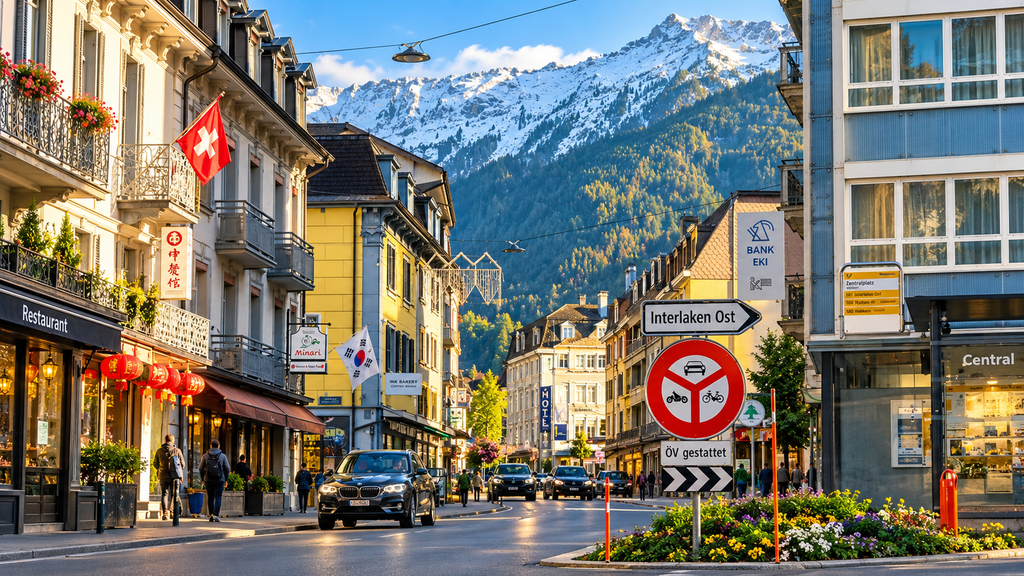
You don’t need a large vehicle for most European road trips.
A compact car can actually be more convenient.
European historic centres often have narrow streets, limited parking and restricted driving zones.
Before booking, check the rental company’s rules carefully.
Pay attention to:
- Cross-border driving permission
- Insurance
- Mileage limits
- Fuel policy
- Deposit requirements
- Breakdown assistance
- Automatic or manual transmission
- One-way rental fees
- Winter equipment
- Additional driver charges
f you plan to return the vehicle in a different country, check the one-way fee before confirming the booking.
It can make a significant difference to the total cost.
Understand European Road Tolls
Road charges are one of those things that are easy to forget when planning a trip.
Different countries use different systems.
You may encounter traditional toll booths, electronic toll collection or motorway vignettes.
Some roads are free while others require payment.
Never assume that the system you used in one country applies after crossing the next border.
Before entering a new country, check its current motorway and road-charging requirements.
Also remember that parking and city charges can become a separate expense from motorway tolls.
Border Crossings and Travel Documents
One of the great conveniences of travelling through much of Europe is the ability to cross many internal Schengen borders without routine passport checks.
However, you should still carry your passport and required travel documents.
For a road trip, keep the following easily accessible:
- Passport
- Driving licence
- Rental agreement
- Insurance information
- Vehicle documents
- Visa or travel authorisation where applicable
- Accommodation information
Requirements depend on your nationality and the countries on your route, so check official information before departure.
For eligible non-EU travellers making short stays at participating external Schengen borders, the EU’s Entry/Exit System is now fully operational. ETIAS is scheduled to begin in the last quarter of 2026, with the official start date to be announced.
Don’t rely on information from an old travel blog when dealing with entry requirements.
Check the current official rules shortly before your trip.
How Much Money Do You Need?
A Europe road trip can be expensive, but your budget can change dramatically depending on how you travel.
Your biggest expenses are usually the rental car, fuel, accommodation, food, parking and tolls.
Practical Trip Budget
For a 14-day Central Europe road trip, the following is a useful planning range rather than a fixed price.
Expense Budget Style Comfortable Style Notes
Practical Europe Road Trip Budget
A realistic starting budget for a 14-day Central Europe road trip for two people, excluding flights, visas and travel insurance.
From budget travel to a comfortable road-trip style.
Rental Car
Compact car. International one-way fees may increase the price.
Fuel
Depends on mileage, vehicle and fuel prices.
Accommodation
Based on approximately 13 nights.
Food
Estimated per person depending on dining style.
Tolls & Road Charges
Varies by country and route.
Parking
City parking can cost considerably more.
Attractions
Museums, tours and paid attractions.
Estimated total for two people.
Estimated total for two people.
Budget Assumptions
- Planning estimates for a 14-day trip with 13 nights.
- Assumes two adults travelling together.
- Based on a compact rental car.
- Route similar to Munich → Salzburg → Hallstatt → Ljubljana → Lake Bled → Venice.
- Budget accommodation represents simpler stays; the higher range represents comfortable mid-range accommodation.
- Food estimates are per person.
- Flights, visas, travel insurance, shopping and personal expenses are excluded.
- Actual prices depend on travel dates, route, vehicle and booking time.
Budget Assumptions
These figures are planning estimates for 2026, not guaranteed prices.
The example assumes:
- 14 days and 13 nights
- Two adults travelling together
- A compact rental car
- A route similar to Munich → Salzburg → Hallstatt → Ljubljana → Lake Bled → Venice
- The car is used for the main journey, local sightseeing and reasonable detours
- Budget accommodation for the lower range
- Comfortable mid-range accommodation for the higher range
- Food costs shown per person
- Moderate driving distances rather than extensive additional detours
- Normal sightseeing rather than expensive private tours every day
- Flights, visas, travel insurance, shopping and personal expenses are excluded
- International one-way rental fees may increase the rental-car cost
The €2,500–€3,800 estimate is for two people combined. The food figures are shown per person and are included in the combined total at two travellers.
Treat these numbers as a starting point rather than a quotation. Before booking, check current prices for your exact dates, route and travel style.
Rental Car
Prices vary according to season, vehicle, rental location and duration.
International one-way rentals can cost considerably more.
Fuel
Calculate fuel using the entire route rather than simply adding the distances between major cities.
You will probably drive extra kilometres for hotels, viewpoints, restaurants and detours.
Accommodation
Major European cities can be expensive.
A hotel slightly outside the centre can sometimes offer better value, especially if it includes parking.
But always check how you will reach the city centre.
Food
You don’t need expensive restaurant meals every day.
Local bakeries, supermarkets, markets and casual restaurants can help control the budget while still giving you opportunities to experience local food.
Parking and Tolls
These are easy to overlook when making the original budget.
Add a separate amount for them rather than assuming they will be insignificant.
When Should You Take the Trip?
Every season changes the experience.
Spring
Spring can offer pleasant temperatures, greener landscapes and fewer visitors in some destinations.
Mountain areas may still have changing conditions, so check the route carefully.
Summer
Summer gives you long daylight hours and generally favourable conditions for many routes.
The downside is higher demand in popular destinations.
Accommodation and parking can become more difficult during peak periods.
Autumn
Autumn is an excellent season for scenic drives.
The changing colours can transform mountain and countryside routes.
It can also feel calmer after the busiest summer period.
Winter
Winter can create spectacular scenery, particularly in the Alps.
But it also requires more preparation.
Snow, ice, shorter daylight hours and mountain conditions can make driving significantly harder.
Never choose a winter mountain route simply because photographs look beautiful.
Check road conditions before leaving.
Leave Space for Unexpected Stops
This is one of the most important parts of planning a road trip.
Don’t fill every hour.
You might discover a small village that wasn’t in your itinerary.
You might find a quiet lake.
You might see a viewpoint from the road and decide to stop.
You might find a local restaurant that becomes one of the best meals of the trip.
If every minute is scheduled, you won’t have room for those moments.
Create a list of places you definitely want to visit, but leave gaps between them.
That is where the freedom of a road trip really begins.
Don’t Ignore the Smaller Places
Europe’s famous cities are worth visiting, but they shouldn’t be the only focus.
Some of the most memorable moments can happen away from the major tourist centres.
A small bakery.
A village market.
A roadside café.
A quiet mountain road.
A family-run restaurant.
A lake that you hadn’t heard of before the trip.
These places may never appear on a list of Europe’s most famous attractions.
That’s exactly why they can feel special.
Driving Tips That Can Save Your Trip
Before starting each driving day, check the route and weather.
Download offline maps in case your connection disappears.
Keep your passport and important documents accessible.
Take regular breaks on long drives.
Don’t drive when you are exhausted just because you want to reach the next hotel.
Check parking restrictions before entering historic city centres.
Watch for local traffic signs instead of relying completely on your navigation app.
And never stop the car somewhere dangerous just because the view looks good.
A photograph is never worth putting yourself or other road users at risk.
What Should You Pack?
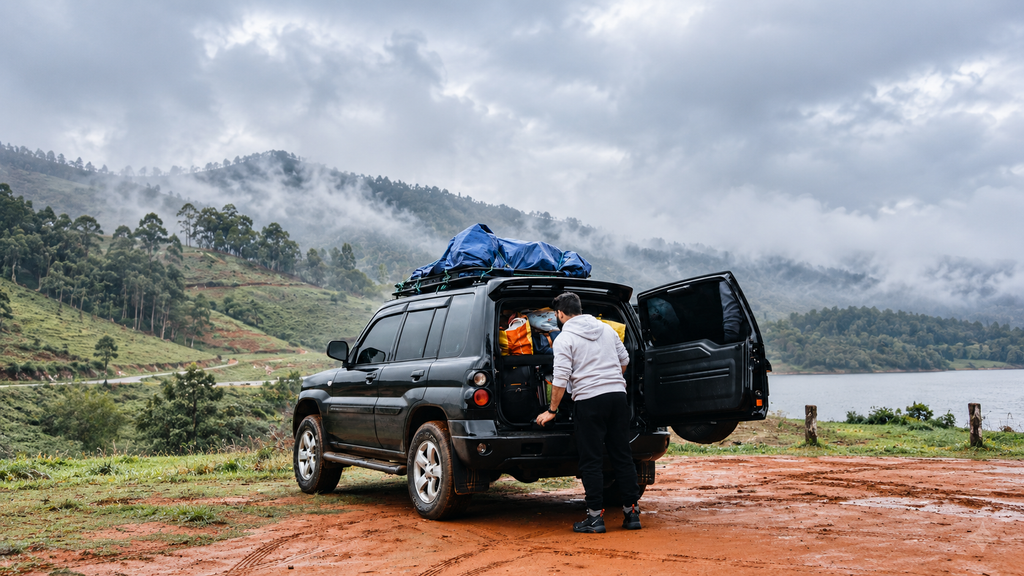
Keep the luggage simple.
A road trip already involves moving your belongings between different hotels, so unnecessary luggage quickly becomes annoying.
Useful items include:
- Passport and travel documents
- Driving license
- Phone charger
- Car charger
- Power bank
- Offline maps
- Comfortable shoes
- Light jacket
- Waterproof layer
- Sunglasses
- Reusable water bottle
- Small first-aid kit
- Camera
- Small day bag
Keep important documents somewhere you can reach without unpacking the entire car.
The Biggest Mistakes to Avoid
The biggest mistake is trying to do too much.
Don’t choose destinations simply because they look close together on a map.
Don’t assume every hotel has free parking.
Don’t forget international rental restrictions.
Don’t ignore tolls.
Don’t schedule six-hour driving days followed by early morning sightseeing every day.
And don’t make the entire trip about famous attractions.
The beauty of driving is that you can discover something that wasn’t part of the original plan.
What Makes a Europe Road Trip Special?
You can travel around Europe by train.
You can fly between major cities.
You can join organised tours.
All of these can be excellent ways to travel.
But driving gives you a different kind of freedom.
You choose when the day starts.
You choose where to stop.
You can change direction.
You can stay longer.
You can take the scenic road.
And sometimes you can simply pull over somewhere safe, step outside and realise that the landscape in front of you is the reason you came.
Final Thoughts
A great Europe road trip isn’t a competition to see the most countries.
It is a chance to slow down and experience the spaces between them.
Plan your essential stops.
Understand the driving rules.
Budget for fuel, tolls, parking and accommodation.
Leave room for unexpected discoveries.
Most importantly, don’t be afraid to slow down.
The road between two famous destinations can sometimes become the part of the journey you remember most.
Years later, you may not remember exactly which motorway you took or how many kilometres you drove.
You may remember the little village where you stopped for coffee.
The mountain that appeared through the clouds.
The lake you found by accident.
The sunset you watched from the side of the road.
That is the beauty of a European road trip.
The destination gives you a reason to leave.
The road gives you a reason to keep going.
Frequently Asked Questions
How many days do I need for a Europe road trip?
For one region, seven to ten days can work, while two weeks gives you more flexibility. Longer trips allow you to travel more slowly and explore smaller destinations.
Can I drive a rental car across European countries?
Often you can, but it depends on the rental company, vehicle and countries involved. Confirm cross-border permission before booking.
Is it expensive to drive around Europe?
It can be, particularly during peak travel seasons. Fuel, rental cars, accommodation, parking and tolls are the main costs to consider.
Do I need an international driving permit?
Requirements depend on your nationality, licence and destination. Check the current rules for every country on your route before travelling.
Are European roads safe for a road trip?
Many European countries have extensive motorway and road networks, but conditions vary. Mountain roads, winter weather, traffic and unfamiliar road rules require additional care.
Should I book accommodation in advance?
For popular destinations and peak seasons, booking ahead is sensible. If you want maximum flexibility, keep some parts of the itinerary open rather than pre-booking every night.
Is it better to return the rental car to the same country?
Returning the car to the original location can sometimes reduce one-way fees, but the best option depends on your route. Compare the total rental cost rather than just the daily rate.
What is the best route for a first Europe road trip?
There isn’t one route that suits everyone. A Central European route combining Germany, Austria, Slovenia and northern Italy gives travelers a mixture of cities, mountains, lakes and
countryside without requiring an enormous cross-continent journey.