Munnar Travel Guide: Your Journey Into Kerala’s Hills
There are some destinations where you arrive, take a few photographs, visit the famous places and leave.
Munnar feels different.
The journey starts changing long before you reach the town. The road begins climbing through the Western Ghats, the air becomes cooler, waterfalls appear beside the highway and the landscape slowly turns greener.
Then the tea plantations begin.
Hill after hill is covered with neatly shaped rows of tea plants. Clouds hang over the valleys, small roads disappear into the mountains and, on some mornings, the entire landscape seems to be covered by mist. Alappuzha Travel Guide: 10 Amazing Reasons to Visit
That is Munnar.
Located in Kerala’s Idukki district, Munnar is one of South India’s best-known mountain destinations. The town sits around 1,600 metres above sea level, while the wider Munnar region reaches considerably higher elevations. The area is famous for tea plantations, mountain scenery, wildlife, waterfalls and highland villages.
But Munnar is much bigger than the town you see on a map.
There are different roads, viewpoints, tea estates, lakes, forests and villages to explore. You can spend a weekend seeing the classic attractions, or stay longer and discover places such as Marayoor, Kanthalloor, Vattavada and Chinnar.
This guide is designed to help you plan the whole trip—from choosing your route to deciding where to stay, what to see, what to eat and how to spend your days.
Where Is Munnar?
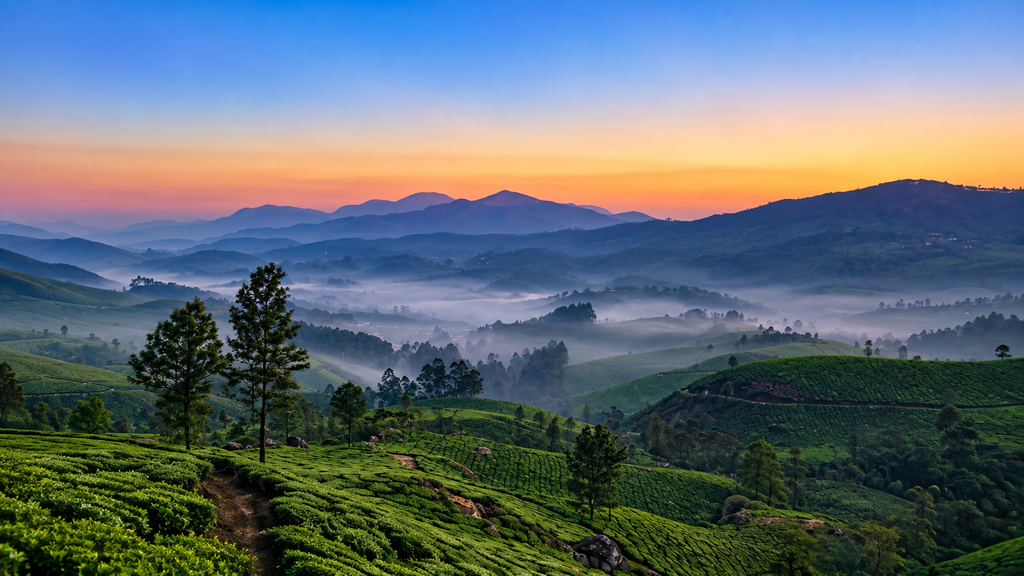
Munnar is in the eastern part of Kerala, in Idukki district, within the Western Ghats.
The central town is surrounded by mountains and tea plantations. Several roads branch out from the town toward different sightseeing areas.
The Munnar region generally ranges from about 1,500 to 2,500 metres above sea level. Anamudi, at 2,695 metres, is the highest peak in South India.
The name Munnar is associated with the meeting of three mountain streams: Muthirapuzha, Nallathanni and Kundala.
This combination of altitude, forests and mountains gives Munnar a climate and landscape very different from Kerala’s coastal areas.
Why Visit Munnar?
Munnar isn’t famous because of one monument.
Its attraction comes from the landscape as a whole.
You can wake up surrounded by mountains, drive through tea plantations, stop beside a waterfall, visit a wildlife park, drink fresh tea and finish the evening watching clouds move across the valley.
For photographers, the changing weather creates different scenes throughout the day.
For road-trip travellers, the journey is almost as important as the destination.
For families, there are plenty of sightseeing stops that don’t require difficult trekking.
And for travellers who simply want to slow down, Munnar gives you plenty of opportunities to do exactly that.
Munnar Route Map
Before planning your trip, understand one important thing:
Munnar is not one compact tourist area.
The attractions are spread across several roads.
A simplified sightseeing map looks like this:
Munnar Route Map & Nearby Places
Plan your journey to Munnar and explore the main sightseeing routes around the hills.
Kochi to Munnar Road Route
A simple route sequence for travellers arriving from Kochi and heading towards Munnar.
Places to Visit Around Munnar
Eravikulam National Park
Mountain landscapes, wildlife and views close to Munnar.
Open in Google MapsTop Station
A high-altitude viewpoint with wide views across the surrounding mountains.
Open in Google MapsVattavada
A mountain farming region beyond the upper Munnar sightseeing route.
Open in Google MapsPothamedu
A convenient viewpoint for tea plantations, valleys and mountain scenery.
Open in Google MapsMarayoor
A different side of the Munnar region with sandalwood forests and dry landscapes.
Open in Google MapsKerala Tourism’s official route information places Perumbavoor about 100 km from Munnar and provides a dedicated Munnar route map. Its tourism map also shows the major attractions, roads, airport and railway connections around the region.
How to Reach Munnar
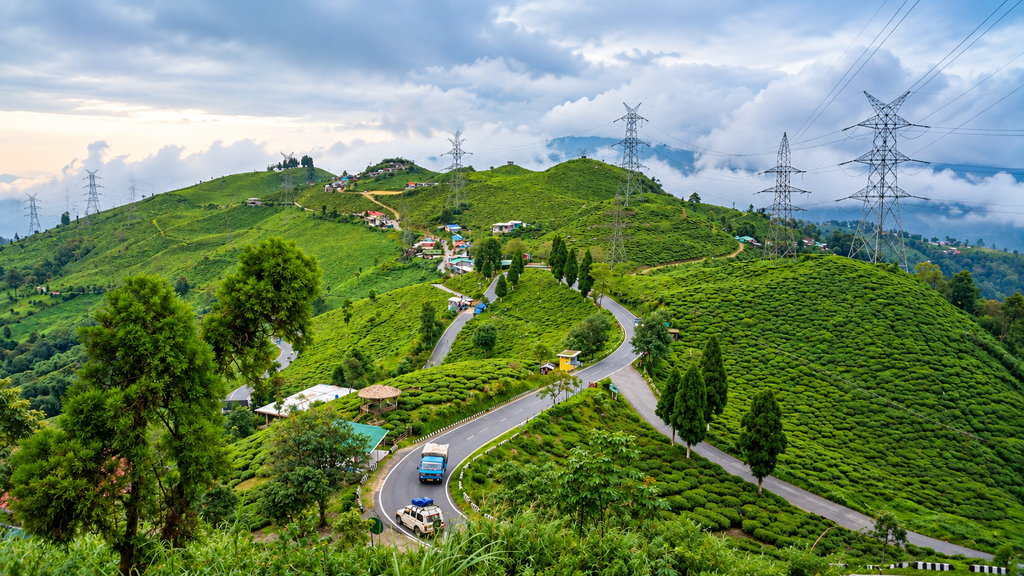
By Air
The nearest major airport is Cochin International Airport. How to Find Cheap Flights: 17 Easy Ways to Save Money
Kerala Tourism gives the airport-to-Munnar distance at roughly 108–119 km depending on the route/reference.
The usual road direction is:
Cochin Airport → Aluva → Perumbavoor → Kothamangalam → Adimali → Munnar
One current Kerala Tourism page gives the airport journey as approximately 67 miles and around three hours of driving, but actual travel time can vary considerably with traffic, weather, road conditions and stops.
If you’re travelling from another country, flying into Kochi and continuing by road is usually the simplest way to reach Munnar.
By Train
Munnar does not have its own railway station.
Travellers usually use Aluva or Ernakulam and continue by road.
Kerala Tourism lists Aluva at around 108 km and Ernakulam Junction at around 120 km from Munnar in its destination information.
For travellers coming from other Indian cities, this can be a practical combination:
Train → Aluva/Ernakulam → Taxi or Bus → Munnar
By Bus
Munnar is connected by road with several towns and cities in Kerala.
Public buses can be useful for budget travellers.
The disadvantage is flexibility.
If your plan includes several viewpoints, waterfalls and places outside Munnar town, a private car or taxi will make the trip easier.
How to Travel Around Munnar
Once you arrive, you have several choices.
Taxi
A private taxi is convenient if you’re travelling with family or friends.
It allows you to build your own sightseeing route instead of following a fixed schedule.
Rental Car
A rental car gives you maximum flexibility, especially if you’re comfortable driving on mountain roads.
Take extra care on narrow bends, during rain and after dark.
Local Bus
Local buses can be useful for certain destinations but aren’t always practical for a sightseeing-heavy itinerary.
Auto-rickshaw
Autos can be useful for shorter local journeys around town.
Before starting a longer journey, agree on the fare.
Best Time to Visit Munnar
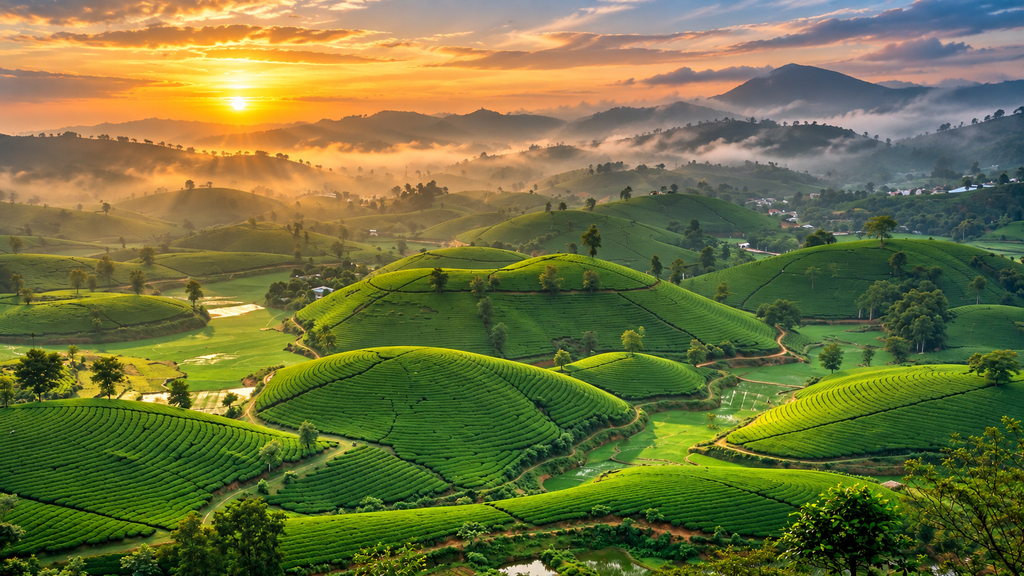
Munnar can be visited throughout the year, but each season feels different.
October to February — Cool Mountain Weather
These months are popular with travellers looking for cooler weather.
Morning mist can create beautiful views across the tea plantations.
Temperatures can feel particularly cool after sunset and before sunrise, so pack a light jacket.
March to May — Warmer but Pleasant
Temperatures rise compared with winter, but the higher elevation keeps Munnar different from Kerala’s lowland areas.
This can be a good period for sightseeing, road trips and outdoor activities.
June to September — Monsoon Munnar
The monsoon changes Munnar completely.
The mountains become intensely green, streams fill up and waterfalls can become much more powerful.
But rain also brings practical challenges.
Roads can be slippery, visibility can drop and outdoor plans may need to change.
If you’re driving during the monsoon, check the weather and road conditions before starting your journey.
How Many Days Do You Need in Munnar?
2 Days
Enough for a quick introduction.
You can cover the main sightseeing route and a few nearby attractions.
3 Days
This is a comfortable first trip.
You can explore the classic attractions without spending every hour in the car.
4 Days
A better option if you want to include a longer road trip such as Marayoor or Vattavada.
5 Days or More
Ideal if you want a slower trip with hiking, wildlife, photography and nearby destinations.
The biggest mistake is trying to see everything in one day.
Munnar rewards slow travel.
Best Places to Visit in Munnar
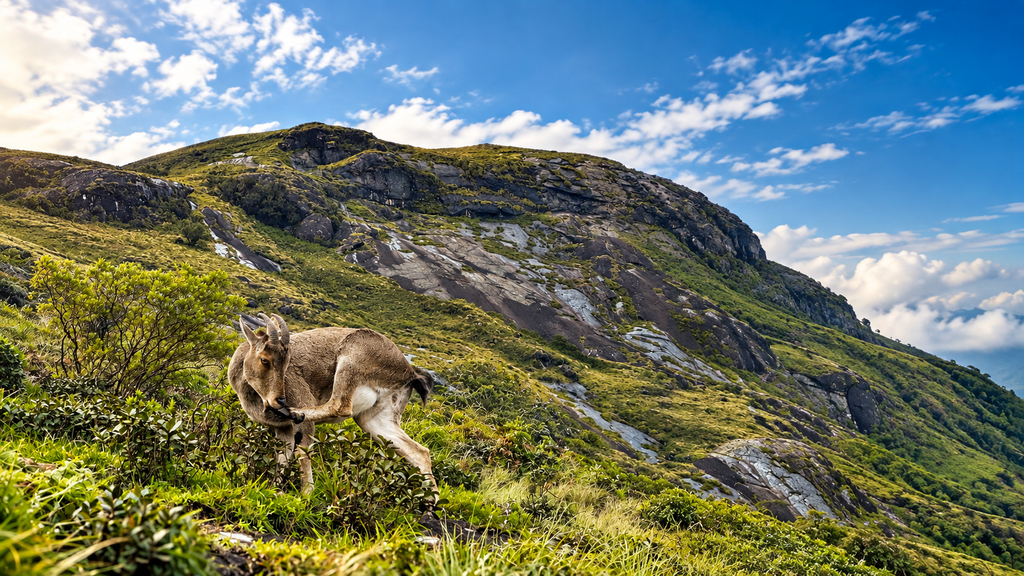
Eravikulam National Park
ravikulam National Park is one of Munnar’s most important natural attractions.
The park covers about 97 square kilometres and is particularly known for the endangered Nilgiri tahr. It also contains high-altitude grasslands and shola forests around the Anamudi region.
The official park website currently lists visitor entry between 8:00 AM and 2:00 PM and provides online booking information. It also states that the park closes during the calving season, with the current site indicating a closure from February 1 to April 1. Conditions can change, so check the official site immediately before your visit.
Wildlife sightings are never guaranteed.
The goal should be to experience the landscape and wildlife responsibly rather than expecting a particular animal to appear.
Mattupetty Dam
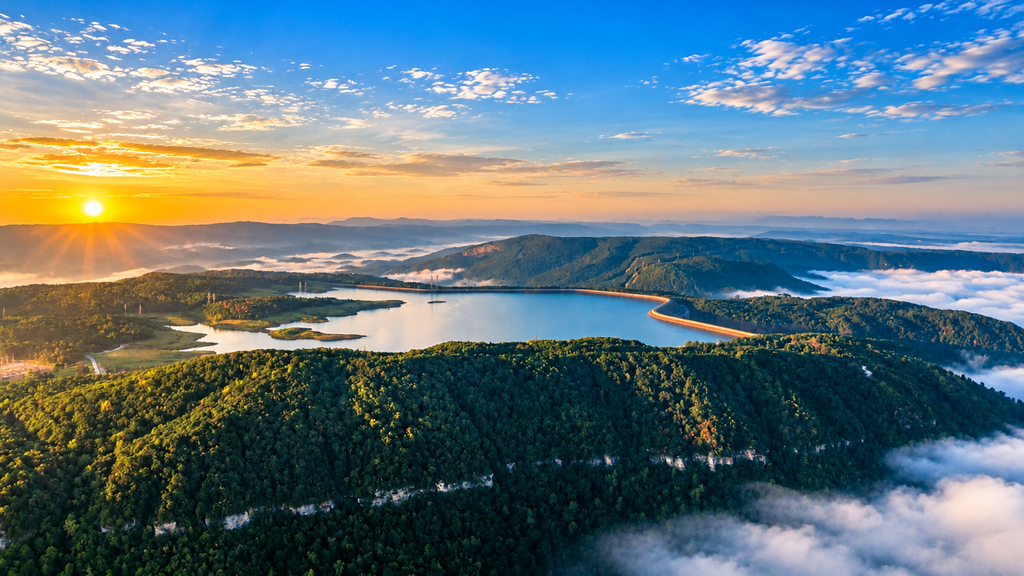
Mattupetty is one of the easiest attractions to include in a classic Munnar sightseeing day.
The dam and reservoir are surrounded by mountains and greenery.
Boating can also be available depending on current operating conditions.
Kerala Tourism lists Mattupetty among Munnar’s major attractions and notes its location around 13 km from Munnar.
The road from Munnar to Mattupetty is also part of the experience.
Echo Point
Echo Point is located along the popular road toward Kundala and Top Station.
The area combines mountains, greenery and water.
It is an easy stop to add to a sightseeing day.
Don’t feel pressured to spend hours at every attraction. Sometimes twenty or thirty relaxed minutes is enough before continuing the road trip.
Kundala Lake
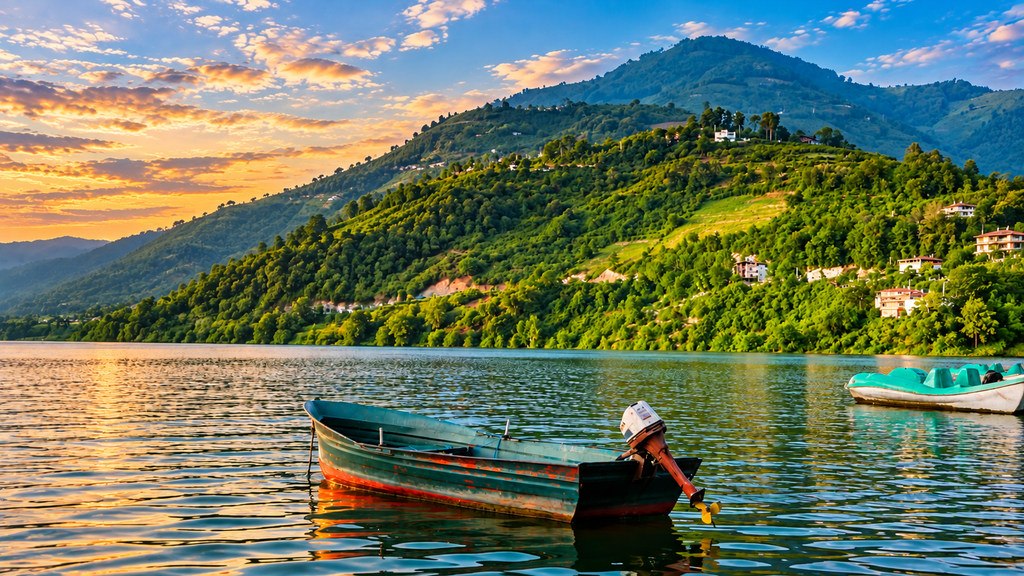
Kundala is another beautiful stop on the Top Station route.
The lake is surrounded by hills and tea-growing landscapes.
Boating facilities may be available depending on current operations.
Top Station
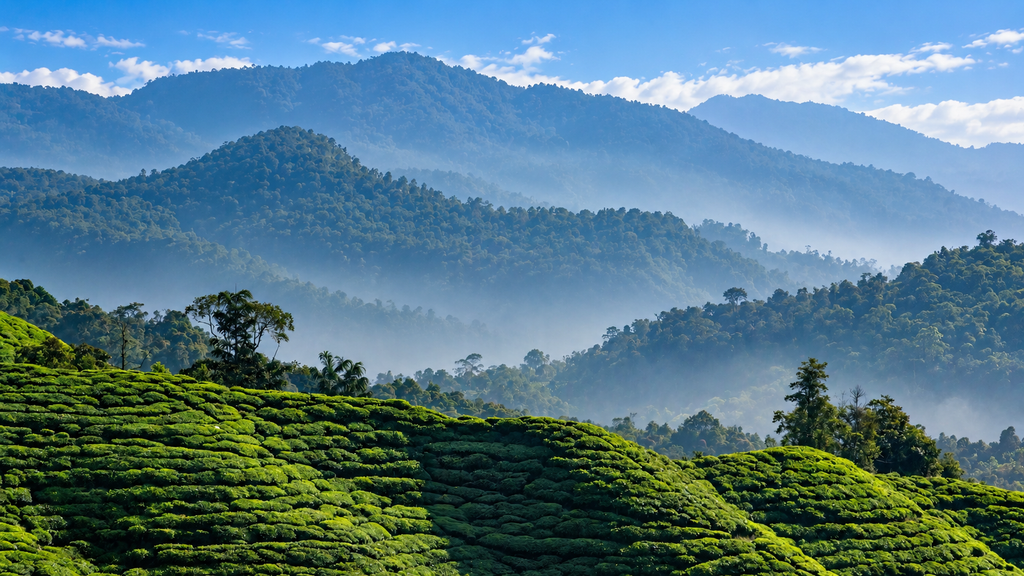
Top Station is one of the best-known viewpoints around Munnar.
It sits around 1,700 metres above sea level and provides wide views toward the Western Ghats and Tamil Nadu.
The road to Top Station is one of the highlights.
You pass tea plantations, mountain bends and changing vegetation.
Kerala Tourism lists Top Station roughly 32–34 km from Munnar depending on the route reference.
Tea Museum

Tea is inseparable from Munnar.
The Tea Museum is a good place to learn about the history and development of tea production in the region.
You can see old machinery, photographs and displays connected with the area’s tea industry.
For someone visiting Munnar for the first time, this adds context to all those plantations you see outside the town.
Pothamedu View Point
Pothamedu is close to Munnar and offers views over tea plantations and valleys.
It’s especially enjoyable when clouds are moving through the mountains.
If you don’t want a long drive, this is one of the easier viewpoint option
Attukad Waterfalls
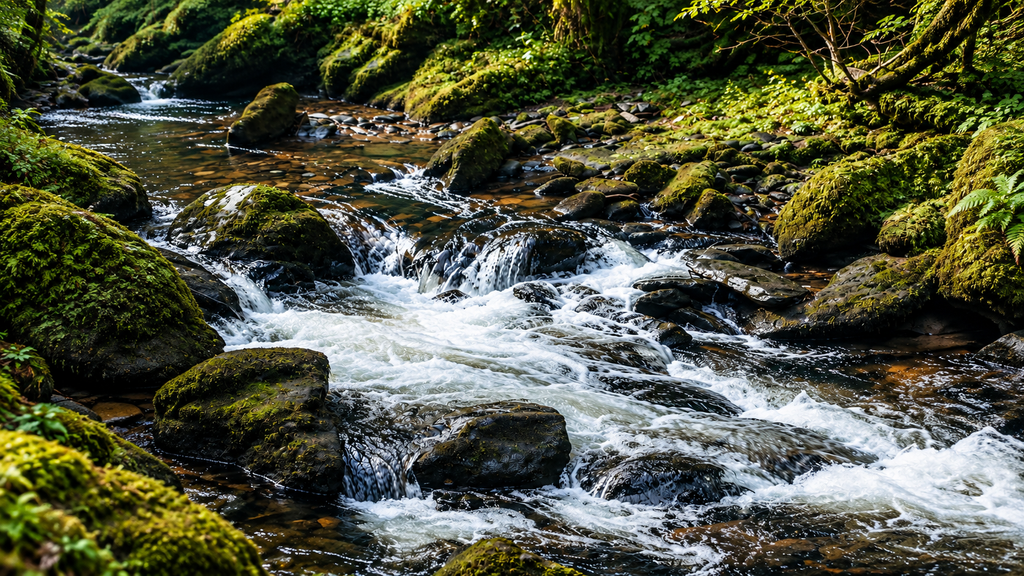
Attukad Waterfalls is surrounded by forest and mountain scenery.
During wetter periods, the waterfall can become particularly impressive.
Be careful around rocks and slippery paths, especially after rain.
Lockhart Gap
Lockhart Gap is another scenic viewpoint where mountains and valleys open up across the landscape.
It is particularly appealing to photographers because the weather can change the view every few minutes.
One moment you may see distant mountain layers; a few minutes later, clouds may cover everything.
Chinnakanal Waterfalls
Chinnakanal is known for its waterfall and mountain scenery.
The area can be included in a longer sightseeing route toward the eastern side of Munnar.
Kerala Tourism identifies Chinnakanal and Anayirangal among the notable attractions around Munnar.
Anayirangal
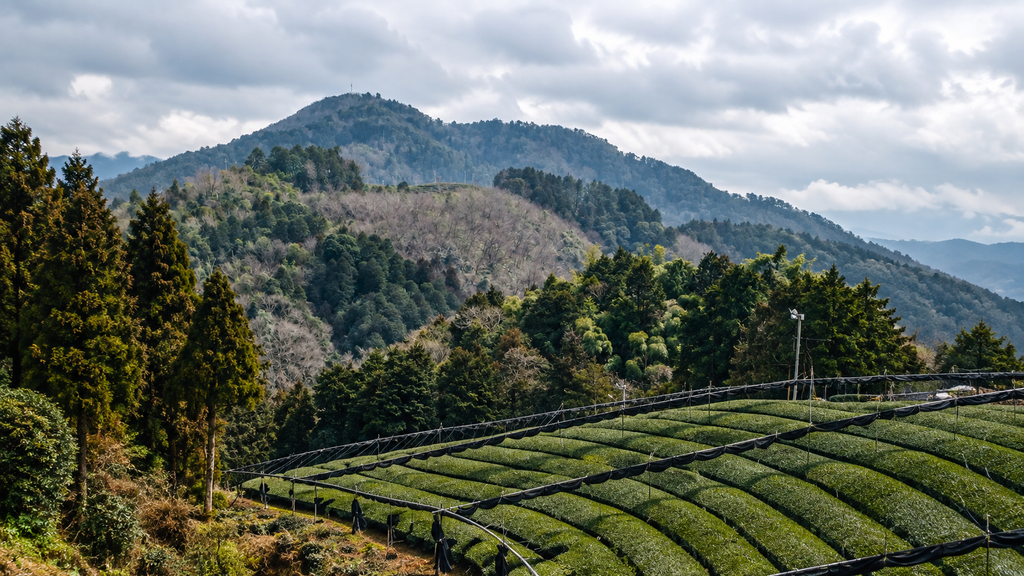
Anayirangal is known for its reservoir surrounded by tea plantations and forests.
It is a good choice if you’re looking for quieter scenery away from the busiest parts of Munnar.
Blossom Hydel Park
If you’re travelling with children or looking for a relaxed break near town, Blossom Hydel Park can be considered.
It provides a more casual outdoor experience compared with the larger natural attractions.
Meesapulimala
Meesapulimala is for travellers looking for a more adventurous experience.
This is not something to casually add between two sightseeing stops.
Trekking arrangements and permissions can apply, so check current local requirements before planning it.
Kerala Tourism identifies Meesapulimala as one of the trekking attractions around Munnar.
Munnar Beyond the Main Tourist Route
One of the best ways to make a longer Munnar trip more interesting is to leave the central sightseeing circuit.
Marayoor
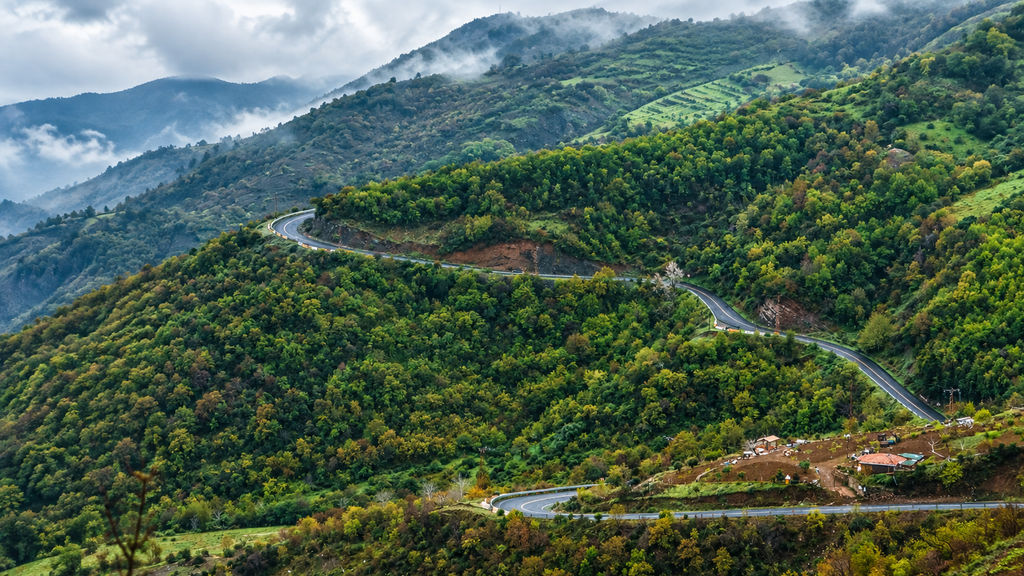
Marayoor has a very different character from central Munnar.
The area is associated with natural sandalwood forests, sugarcane products and ancient megalithic burial structures known as dolmens.
The landscape also changes noticeably as you travel east from Munnar.
Chinnar Wildlife Sanctuary
If you’re continuing beyond Marayoor, Chinnar Wildlife Sanctuary is another possibility.
The landscape here differs from the wetter mountain scenery around central Munnar.
If wildlife is your main interest, check the current sanctuary information, entry rules and safari options before travelling.
Don’t try to combine every attraction in this region into a single rushed day.
Kanthalloor
Kanthalloor is another highland destination worth considering for a longer trip.
It offers a different rural mountain landscape and can be combined with a broader eastern Munnar road trip.
Vattavada
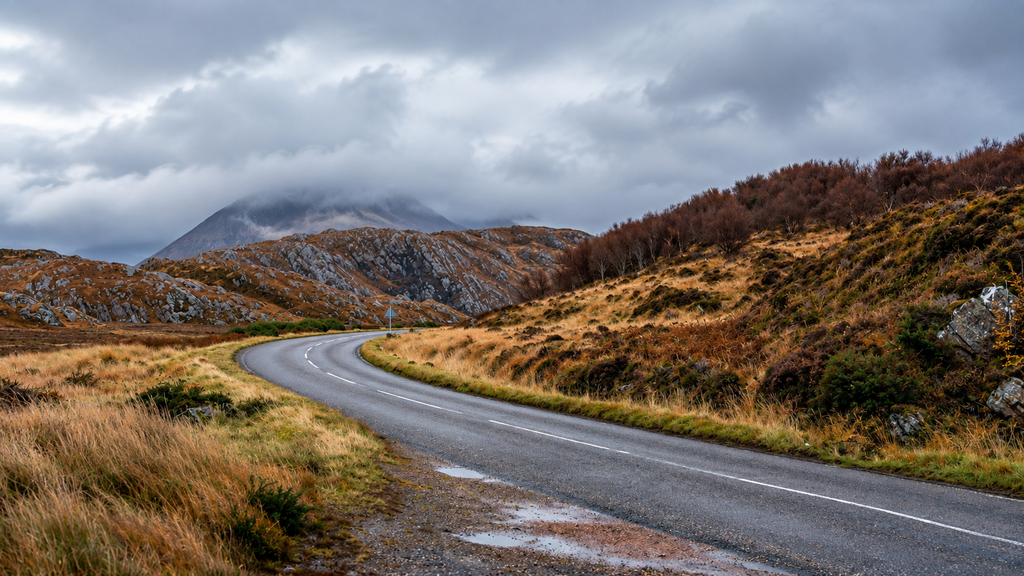
Vattavada is another option for travellers who want to explore beyond the standard Munnar itinerary.
Kerala Tourism specifically lists the Munnar–Vattavada route among its driving routes.
The journey is as much a part of the attraction as the destination.
Munnar Road Trip from Kochi
For many travellers, the drive from Kochi is the beginning of the Munnar experience.
A simple route is:
Kochi → Aluva → Perumbavoor → Kothamangalam → Adimali → Munnar
Along the journey, you can encounter attractions and roadside scenery including:
- Valara Waterfalls
- Cheeyappara Waterfalls
- Mountain roads
- Forested sections
- Tea plantations as you climb
Kerala Tourism’s official Munnar map identifies Cheeyappara and Valara among the attractions along the wider approach to Munnar.
Road-trip tip
Don’t plan to drive continuously without breaks.
Stop safely at designated areas, stretch your legs, drink water and enjoy the scenery.
Munnar to Top Station Route
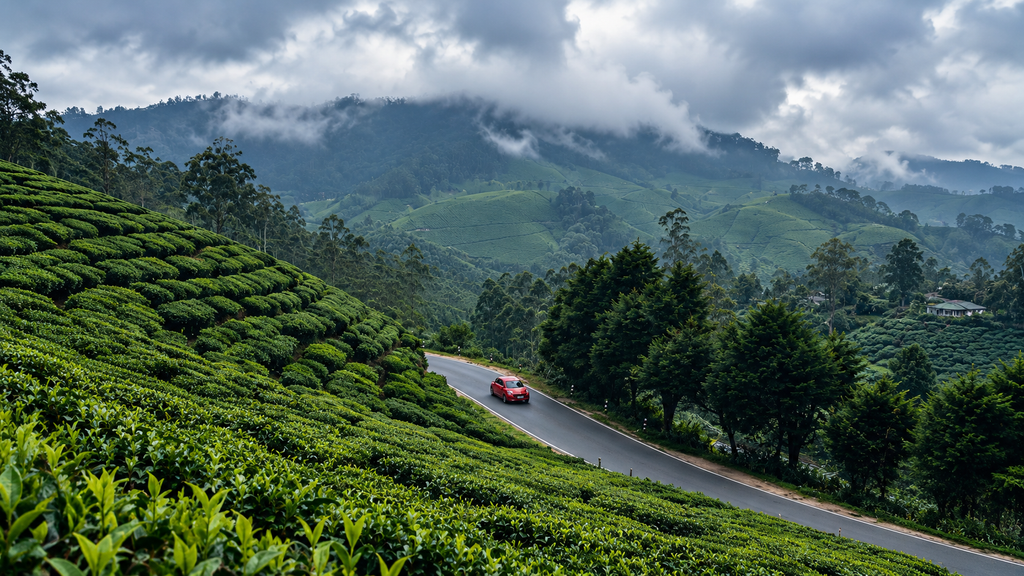
One of the classic sightseeing drives is:
Munnar → Mattupetty → Echo Point → Kundala → Top Station
This route works well as a full sightseeing day.
Start early.
Spend more time at the places you genuinely enjoy rather than trying to collect photographs from every stop.
Munnar to Marayoor Route
For a different landscape:
Munnar → Marayoor → Chinnar
This is better suited to travellers with additional time.
The scenery changes as you move away from the tea-covered hills around central Munnar.
Marayoor is roughly 40 km from Munnar depending on the route. Kerala Tourism’s broader route information also places Kumily and Kodaikanal within the wider road network around Munnar.
Munnar to Vattavada Route
Another longer road-trip option is:
Munnar → Mattupetty → Kundala → Top Station area → Vattavada
This is a route for people who enjoy driving and landscapes more than checking off tourist attractions.
Allow plenty of time.
Mountain roads are not highways, and the weather can change quickly.
Best Sunrise Spots in Munnar
Sunrise can be beautiful in Munnar because the first light slowly reaches the valleys and tea plantations.
Possible areas to consider include:
- Pothamedu
- Higher viewpoints
- Top Station area
- Your hotel or resort if it has an open mountain view
The best option depends on your location and weather.
You don’t need to travel a long distance every morning.
Sometimes the view directly outside your accommodation is the best one.
Best Sunset Experience
Sunset in Munnar isn’t always about seeing the sun disappear directly behind the mountains.
Often the clouds and changing light are the real attraction.
Find a safe viewpoint with an open western view and stay for the changing colours.
Never park your vehicle dangerously on a mountain bend just to take a photograph.
Where to Stay in Munnar
Munnar Town
Best for convenience.
You’ll be close to:
- Restaurants
- Shops
- Transport
- Local services
This is practical for first-time visitors.
Chithirapuram
A quieter option surrounded by greenery and plantation landscapes.
Pallivasal
Useful if you want a more peaceful setting while remaining within reach of the town.
Resorts Outside Town
These can provide beautiful mountain views and a quieter experience.
However, check the actual location carefully before booking.
A property advertised as being “in Munnar” may actually be several kilometres outside the town.
If you plan to go sightseeing every day, road access matters.
What to Eat in Munnar
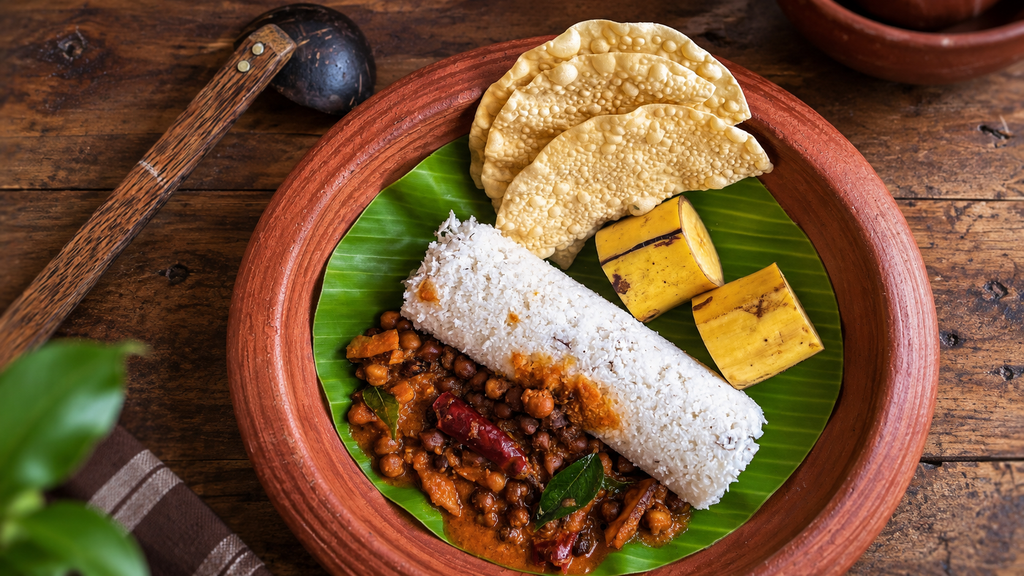
Don’t make your Munnar trip only about photographs.
Try local food too.
Some dishes worth looking for include:
- Appam and stew
- Puttu and kadala curry
- Kerala parotta
- Fish curry
- Idiyappam
- Dosa
- Vegetable curries
- Local snacks
- Fresh tea
- Homemade chocolate
Tea is an obvious souvenir.
You can also look for locally produced spices and other regional products.
What to Buy in Munnar
If you want to take something home, consider:
Tea
The most obvious Munnar souvenir.
Spices
Kerala is famous for spices, and Munnar has many shops selling them.
Homemade Chocolate
A popular treat among visitors.
Local Products
Depending on where you shop, you may find handmade products and regional food items.
Compare prices and check packaging before purchasing food products for travel.
How Much Does a Munnar Trip Cost?
There isn’t one fixed Munnar budget.
Your total cost depends on how you travel.
The major categories are:
Transport
Bus travel is usually more budget-friendly than hiring a private car.
Accommodation
Munnar has everything from simple rooms to premium resorts.
Food
Local restaurants can keep your food budget manageable.
Activities
Entry fees, boating, trekking and wildlife experiences can add to the total.
Shopping
Tea, spices and souvenirs are optional expenses.
The easiest way to control your budget is to decide your accommodation and transportation first.
Munnar Travel Tips
- Start early
Morning is often the best time to begin sightseeing.
- Don’t trust map distance alone
Mountain roads can make a short distance take much longer.
- Carry a light jacket
Even if the daytime weather feels comfortable, evenings can be cool.
- Carry rain protection
Weather can change quickly.
- Keep some cash
Digital payments are common, but don’t assume every small business accepts every payment method.
- Download important information before travelling
Mobile connectivity can vary in mountain areas.
- Don’t enter restricted plantation areas
Many tea estates are private property.
- Don’t feed wildlife
Wild animals should never be encouraged to approach visitors.
- Be careful near waterfalls
Wet rocks are dangerous.
- Don’t drive aggressively
The road itself is part of the experience.
Take the bends slowly.
Mobile Network and Internet
Network availability can vary depending on where you stay and which road you travel.
Munnar town generally has better connectivity than remote mountain areas.
If you’re travelling beyond the central town, download:
- Offline maps
- Hotel details
- Important phone numbers
- Tickets
- Travel confirmations
This is especially useful if you’re planning longer road trips.
ATMs and Money
Munnar town has banking and ATM facilities, but don’t depend entirely on finding an ATM exactly when you need one.
Carry some emergency cash, especially before travelling to remote areas.
For larger expenses, cards and digital payment options may be available, but small businesses can vary.
Munnar With Children
Munnar can be a great family destination.
But children may not enjoy a schedule containing ten viewpoints.
Instead, combine sightseeing with relaxed stops.
A family-friendly day could include:
Mattupetty → Echo Point → Kundala → lunch → hotel
Leave enough time for breaks.
If travelling with young children, carry warm clothing and rain protection.
Munnar for Couples
Munnar’s mountain scenery makes it popular with couples.
But you don’t need an expensive resort to enjoy the destination.
A simple room with a mountain view, a morning walk through the plantation area and a quiet evening with a cup of tea can be just as memorable.
Leave some free time in your itinerary.
Munnar for Solo Travellers
Solo travel works particularly well if you enjoy photography and road trips.
You can decide your schedule each morning.
Spend more time at places you like and skip attractions that don’t interest you.
If driving alone, however, be conservative on mountain roads and avoid unnecessary night driving.
Munnar for Photographers
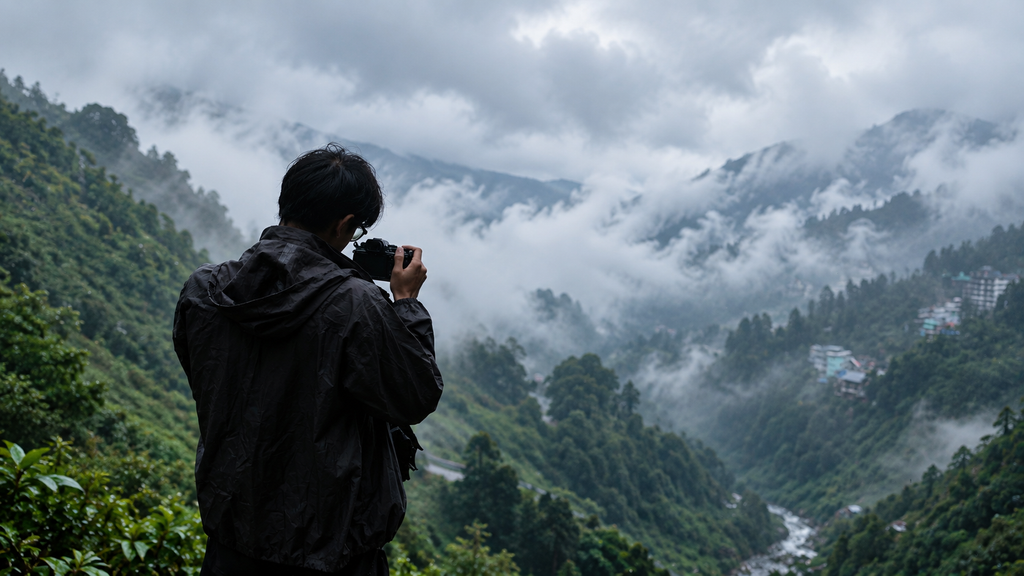
Munnar is almost made for landscape photography.
Look for:
- Tea plantation patterns
- Misty mountains
- Winding roads
- Waterfalls
- Sunrise
- Cloud layers
- Local life
- Tea workers
- Lakes
- Wildlife
Early morning and late afternoon generally provide softer light.
But don’t ignore cloudy weather.
Some of Munnar’s most atmospheric photographs happen when the mountains are partially hidden by clouds.
What to Pack for Munnar
A practical packing list:
- Comfortable walking shoes
- Light jacket
- Rain jacket
- Small umbrella
- Sunglasses
- Sunscreen
- Power bank
- Reusable water bottle
- Small backpack
- Basic medicines
- Camera
- Extra phone storage
- Waterproof pouch
During monsoon, protect your phone, camera and documents from rain.
Safety Tips for Munnar
Munnar is a mountain destination, so basic precautions matter.
On the road
Drive slowly around bends.
During rain
Expect reduced visibility and slippery roads.
Near cliffs
Stay behind safety barriers.
Around wildlife
Never approach or feed animals.
During trekking
Use authorised routes and follow local instructions.
At waterfalls
Avoid climbing slippery rocks.
At night
Stay on established roads and avoid wandering into forests or restricted areas.
A Relaxed 3-Day Munnar Itinerary
Day 1 — Arrival
Arrive in Munnar.
Check in.
Have lunch.
Explore:
- Munnar town
- Tea Museum
- Pothamedu View Point
Return to your accommodation before dark.
Have a relaxed dinner.
Day 2 — Classic Munnar
Start early.
Follow:
Munnar → Mattupetty → Echo Point → Kundala → Top Station
Take your time.
Return to Munnar in the evening.
If you have energy, enjoy tea or dinner in town.
Day 3 — Nature or Road Trip
Choose one.
Option A
Visit Eravikulam National Park, subject to current opening conditions.
Option B
Take the longer road toward Marayoor.
Option C
Explore the Vattavada side if road and weather conditions are suitable.
Don’t try to complete all three.
A 4-Day Munnar Itinerary
Day 1
Arrival + Munnar town + Tea Museum + Pothamedu.
Day 2
Mattupetty + Echo Point + Kundala + Top Station.
Day 3
Eravikulam National Park + relaxed afternoon.
Day 4
Marayoor or Vattavada road trip.
This four-day plan gives you considerably more breathing room.
A 5-Day Munnar Adventure
If you have five days:
Day 1
Arrival and local Munnar.
Day 2
Mattupetty, Echo Point, Kundala and Top Station.
Day 3
Eravikulam and nearby viewpoints.
Day 4
Marayoor and Chinnar.
Day 5
Vattavada or a trekking/adventure experience, depending on current conditions.
This is a much better pace for travellers who don’t want to spend the entire holiday sitting inside a vehicle.
Common Mistakes to Avoid
Trying to See Everything
You won’t.
And you don’t need to.
Booking a Hotel Without Checking Its Location
Always check the actual map location.
Underestimating Mountain Roads
Distances aren’t the whole story.
Ignoring Weather
Munnar’s weather can change quickly.
Visiting Only the Famous Viewpoints
The smaller roads and villages can sometimes be more memorable.
Overplanning
Leave some empty space in your itinerary.
Is Munnar Worth Visiting?
Munnar is worth experiencing for more than its famous attractions.
It’s the road climbing through the mountains.
It’s the first glimpse of a tea plantation after a bend.
It’s a waterfall appearing beside the road.
It’s a cold morning when you don’t expect it.
It’s sitting somewhere quiet with a hot cup of tea while clouds move across the valley.
The famous attractions give you a reason to come.
The atmosphere is what makes people remember the place.
Frequently Asked Questions About Munnar
How many days are enough for Munnar?
Three days and two nights are enough for a first introduction. Four or five days are better if you want to explore Marayoor, Vattavada, Kanthalloor or other nearby areas.
How far is Munnar from Kochi Airport?
Kerala Tourism gives the distance at roughly 108–119 km depending on the route and reference.
Does Munnar have a railway station?
No. Aluva and Ernakulam are commonly used railway connections before continuing to Munnar by road.
Which road is best from Kochi to Munnar?
The common road direction is Kochi → Aluva → Perumbavoor → Kothamangalam → Adimali → Munnar.
What is Munnar famous for?
Munnar is especially known for tea plantations, mountains, mist, waterfalls, wildlife and highland landscapes.
Is Munnar good for a road trip?
Yes. The mountain roads are an important part of the experience, particularly routes toward Top Station, Marayoor and Vattavada.
Can I visit Munnar during monsoon?
Yes, but expect heavy rain, slippery roads and changing outdoor conditions.
Is Munnar suitable for families?
Yes. Families can choose relatively easy attractions such as Mattupetty, Echo Point, Kundala, viewpoints and the Tea Museum.
Is Munnar suitable for solo travellers?
Yes, particularly for travellers interested in photography, nature and road trips. Take extra care if driving alone.
Is Munnar expensive?
It can fit different budgets. Accommodation and private transportation usually make the biggest difference to the total cost.
What should I buy in Munnar?
Tea, spices, homemade chocolate and other locally produced products are popular choices.
What should I wear in Munnar?
Comfortable clothes, walking shoes and a light jacket are useful. Carry rain protection during wet months.
Is Eravikulam National Park open throughout the year?
No. The park has seasonal restrictions. Its official website currently states a closure during the calving season, so check the official booking site before planning your visit.
Can I trek to Anamudi?
Trekking to Anamudi is subject to forest and wildlife regulations and permissions. Check current official requirements rather than assuming independent access is allowed.
Final Thoughts
Munnar doesn’t need to be rushed.
You don’t have to wake up every morning with a list of ten attractions.
Take the road slowly.
Stop when you see something beautiful.
Have tea when it starts raining.
Watch the clouds move across the mountains.
Talk to local people.
Take photographs, but don’t spend the entire trip looking through your phone.
And leave some time when you have nowhere to go.
Because Munnar isn’t just a place you visit.
It is a place you drive through, breathe in and remember.
Sometimes the attraction you planned to visit isn’t the memory you take home.
It might be the tiny tea shop beside the road.
The unexpected waterfall.
The mist covering the valley.
Or a quiet mountain road where you stopped simply because the view was too beautiful to ignore.
That is Munnar.