A Journey Through the Oman I Remember
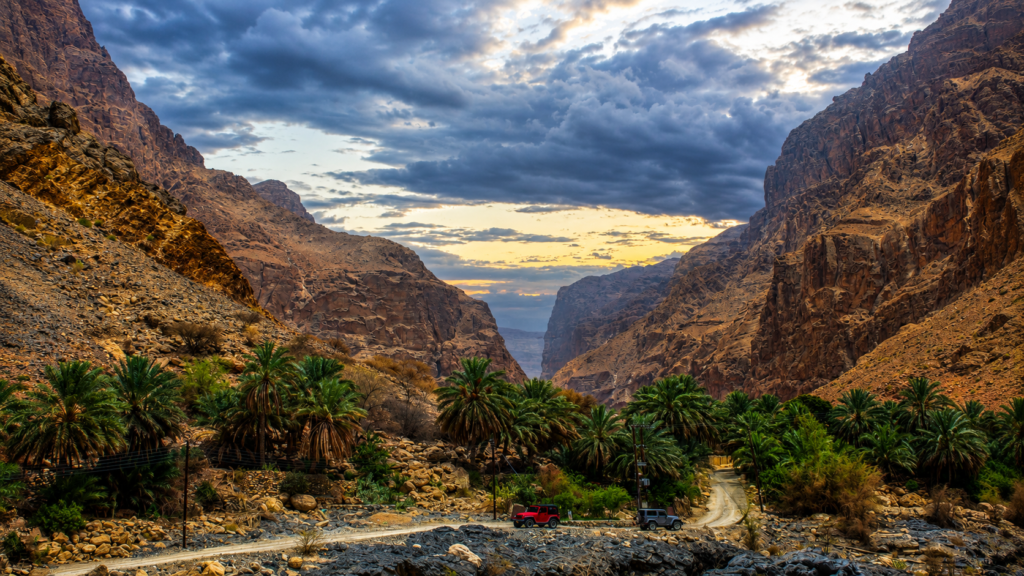
Best Places to Visit in Oman can take you from quiet coastal roads to rugged mountains, deep wadis, golden desert dunes and small villages that feel far away from the busy world.
Every part of the country has its own character, and the best way to experience it is often by getting behind the wheel and exploring at your own pace.
In this guide, I’ll take you through some of the places that make Oman special, along with ideas for a 7-day road trip.
Whether you love mountain views, beaches, desert adventures or discovering lesser-known roads, there is plenty to see along the way.
There are countries you visit for a few famous attractions. Munnar Travel Guide: Ultimate Places, Routes & Amazing Tips
And then there are countries where the road between the attractions becomes part of the adventure.
For me, Oman belongs to the second kind.
You can start your morning in Muscat surrounded by white buildings and the sea, drive toward the Hajar Mountains, stop beside an old fort in Nizwa, walk through a mountain village, swim in a wadi, and finish the day watching the sunset over enormous desert dunes.
The next morning, you can wake up somewhere completely different.
That is what makes Oman special.
It isn’t just one type of destination. Oman gives you mountains, deserts, beaches, wadis, historic towns, traditional markets, remote villages and long coastal roads—all within one country.
And you don’t always need to follow a perfect tourist itinerary.
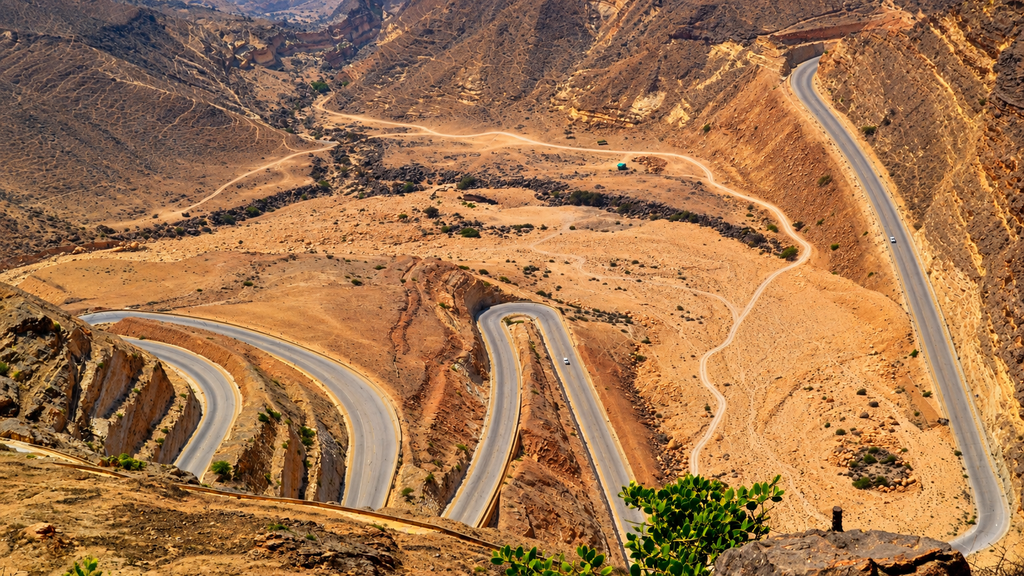
Sometimes the best part is simply seeing a road disappearing into the mountains and deciding to follow it.
If you’re planning your first trip to Oman, this guide takes you through some of the best places to visit and gives you a practical 7-day Oman road trip itinerary connecting mountains, history, desert and coast.
Oman 7-Day Road Trip Route
Before getting into the individual destinations, here’s the route at a glance.
This itinerary focuses mainly on northern and eastern Oman and combines culture, mountains, desert, coastline and natural attractions.
The Route
From Mountains to the Sea
Follow one unforgettable route through Oman’s historic towns, dramatic mountains, desert dunes, hidden wadis and coastline.
Muscat
Begin with culture, coastline, traditional markets and mountain views.
Muscat → Nakhal → Nizwa
Leave the capital and travel inland through mountains and historic towns.
Nizwa → Bahla → Jebel Shams
Explore Oman’s historic interior before climbing into the Hajar Mountains.
Jebel Shams → Jebel Akhdar → Wadi Bani Khalid
Experience dramatic mountain landscapes before heading toward the wadis.
Wadi Bani Khalid → A’Sharqiyah Sands → Sur
Move from turquoise pools to golden dunes and finally toward the coast.
Sur → Ras Al Jinz → Wadi Shab
Follow Oman’s eastern coastline toward turtle country and Wadi Shab.
Wadi Shab → Muscat
Finish the adventure with Wadi Shab and a scenic coastal drive back to Muscat.
Tap any location to open it directly in Google Maps.
Day 1: Explore Muscat
Start: Muscat
End: Muscat
Overnight: Muscat
Your Oman journey begins in the capital.
Don’t immediately jump into a long drive.
Give yourself a day to understand the country.
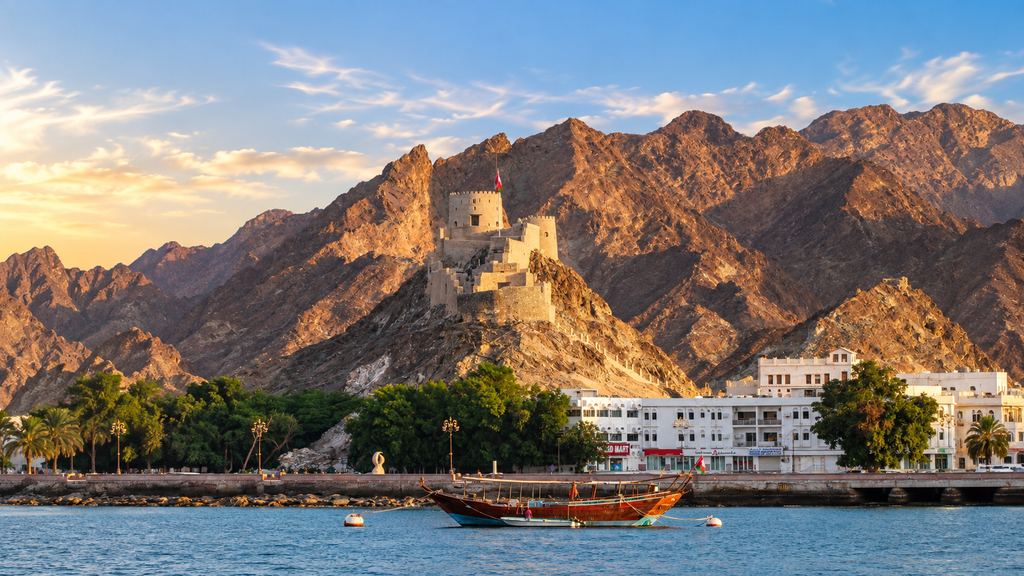
Start around Mutrah and explore the Corniche and Mutrah Souq.
Walk slowly through the market. Look at the traditional products, architecture, perfumes and spices.
Most importantly, don’t make yourself rush from one attraction to another.
Then explore some of Muscat’s cultural landmarks.
The Sultan Qaboos Grand Mosque is one of the city’s major landmarks, while the National Museum offers an introduction to Oman’s history and heritage.
If architecture and performing arts interest you, consider visiting the Royal Opera House Muscat as well.
In the evening, return toward the waterfront.
This is a good time to put the camera away for a few minutes and simply watch the city change as the sun goes down.
A Simple Day 1 Plan
Morning: Sultan Qaboos Grand Mosque and cultural sightseeing
Afternoon: National Museum and central Muscat
Evening: Mutrah Corniche and Mutrah Souq
Where to Stay in Muscat
Stay in Muscat on your first night rather than immediately leaving the capital.
It gives you time to recover from your arrival and makes the following morning easier.
Day 2: Muscat → Nakhal → Nizwa
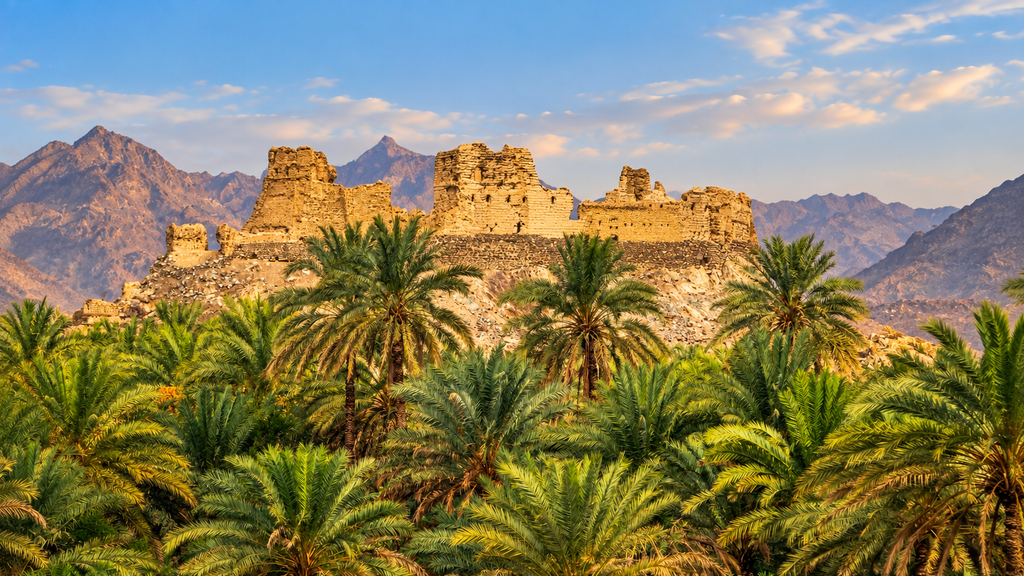
Start: Muscat
Stop: Nakhal
End: Nizwa
Overnight: Nizwa
Today the real road trip begins.
Leave Muscat and head toward Nakhal.
The landscape gradually changes as the city gives way to mountains and smaller settlements.
Stop 1: Nakhal Fort
Explore Nakhal Fort and take some time to enjoy the surrounding views.
Its position against the mountains makes it an interesting photography stop as well as a historical attraction.
If your schedule allows, continue to Ain Al Thawarah before getting back on the road.
Don’t spend the entire day trying to see everything around Nakhal.
You still have Nizwa ahead.
Continue to Nizwa
After Nakhal, continue inland toward Nizwa.
Once you arrive, explore the area around Nizwa Fort and the traditional souq.
If you reach Nizwa later in the day, save the main fort visit for the following morning.
A Simple Day 2 Plan
Morning: Leave Muscat
Late morning: Nakhal Fort
Early afternoon: Ain Al Thawarah and lunch
Afternoon: Drive toward Nizwa
Evening: Nizwa Souq and old town
Overnight
Nizwa
This is a good place to slow down after your first road-trip day
Day 3: Nizwa → Bahla → Jebel Shams
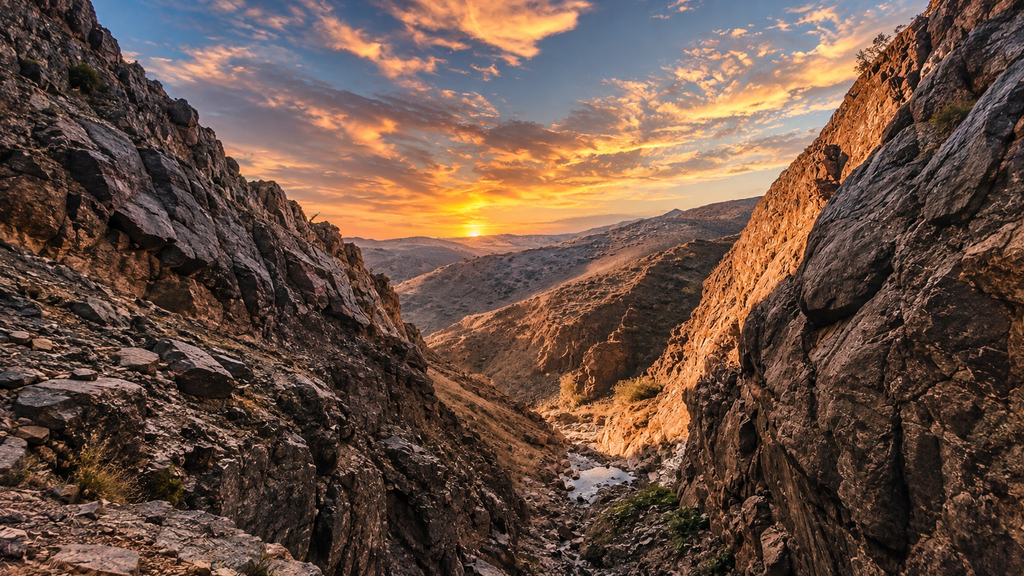
Start: Nizwa
Stops: Bahla and Jabreen
End: Jebel Shams
Overnight: Jebel Shams area
Wake up early.
Nizwa is worth experiencing before the day becomes busy.
Morning: Nizwa Fort & Souq
Explore Nizwa Fort and then walk through the surrounding souq.
Take your time.
This isn’t a destination you need to rush through just to reach the mountains.
Once you’ve finished exploring, head toward Bahla.
Stop 2: Bahla
Bahla adds another layer of Omani history to the journey.
Visit Bahla Fort and, if your schedule allows, continue to Jabreen Castle.
The traditional architecture provides a completely different experience from the natural landscapes you’ll see later in the trip.
And the best part is that history and landscape come together naturally here.
The mountains are never far away.
Afternoon: Head Toward Jebel Shams
After Bahla, start making your way toward Jebel Shams.
The scenery gradually becomes more dramatic.
By the time you’re high in the mountains, the landscape will feel completely different from Muscat.
A Simple Day 3 Plan
Early morning: Nizwa Fort and Souq
Late morning: Bahla
Afternoon: Jabreen Castle and lunch
Late afternoon: Drive toward Jebel Shams
Evening: Mountain sunset
Overnight
Jebel Shams area
If possible, stay somewhere that allows you to enjoy the mountain scenery after sunset.
Day 4: Jebel Shams → Jebel Akhdar → Wadi Bani Khalid
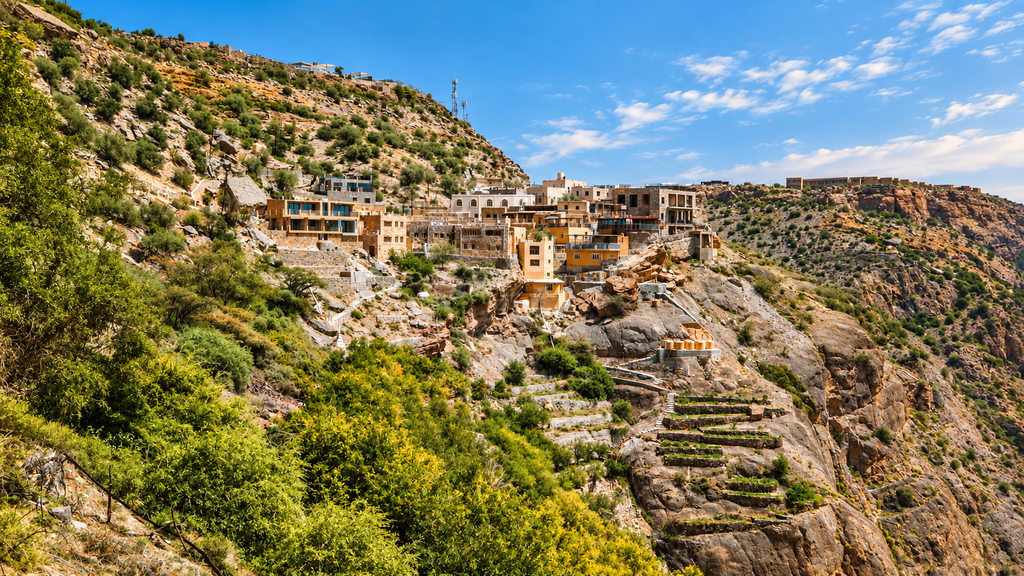
Start: Jebel Shams
Stop: Jebel Akhdar
End: Wadi Bani Khalid area
Overnight: Wadi Bani Khalid area
This is one of the biggest landscape days of the trip.
Morning: Jebel Shams
Wake up early.
Mountain mornings can be incredibly peaceful.
Spend time around the viewpoints and, if you’re properly prepared and conditions allow, consider part of the Balcony Walk.
Don’t underestimate hiking conditions.
Carry enough water and check local conditions before setting out.
After exploring Jebel Shams, begin the journey toward Jebel Akhdar.
Afternoon: Jebel Akhdar
Jebel Akhdar means Green Mountain.
The scenery here has a different character from Jebel Shams.
Look for mountain villages, terraces and viewpoints.
During suitable agricultural seasons, you may see the area’s fruit and rose-growing traditions.
Take photographs, but don’t make the day entirely about photographs.
Sometimes the best mountain experience is simply sitting somewhere quiet.
Evening: Continue Toward Wadi Bani Khalid
This is a longer driving day, so don’t overload it with extra stops.
Reach the Wadi Bani Khalid area and settle in for the night.
A Simple Day 4 Plan
Early morning: Jebel Shams viewpoints
Late morning: Begin the mountain drive
Afternoon: Jebel Akhdar
Late afternoon: Continue toward Wadi Bani Khalid
Evening: Rest
Overnight
Wadi Bani Khalid area
Day 5: Wadi Bani Khalid → A’Sharqiyah Sands → Sur
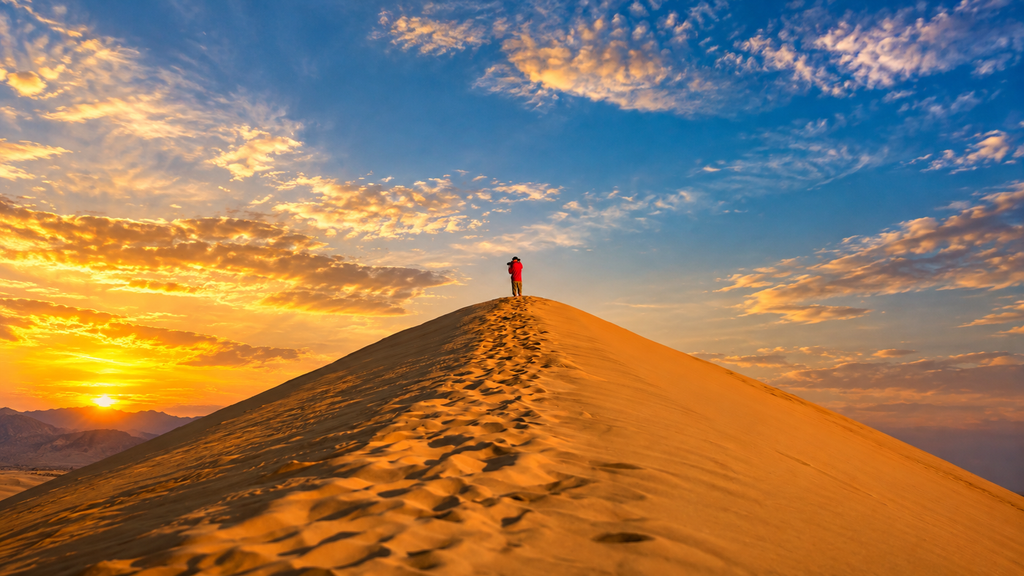
Start: Wadi Bani Khalid
Stops: Wadi Bani Khalid and A’Sharqiyah Sands
End: Sur
Overnight: Sur
This is the day when Oman changes again.
Morning: Wadi Bani Khalid
Spend the morning exploring the wadi.
The contrast is beautiful.
Dry mountains and rocky landscapes surround pools of water and green vegetation.
If swimming is permitted and conditions are safe, this is a good place to cool down.
Don’t forget to bring water even though you’re visiting a water destination.
Afternoon: A’Sharqiyah Sands
Continue toward A’Sharqiyah Sands, traditionally known as Wahiba Sands.
The landscape gradually turns golden.
This is your desert experience.
If you have the time and budget, consider arranging a desert camp experience.
Desert Sunset
Try to reach your viewing point before sunset.
Watch the dunes change color as the sun drops.
Don’t rush to leave immediately afterward.
The desert becomes even more atmospheric as darkness arrives.
Continue Toward Sur
If you’re following the full itinerary, continue toward Sur after your desert experience.
Because this is a fairly active day, plan your timing carefully.
A Simple Day 5 Plan
Morning: Wadi Bani Khalid
Early afternoon: Drive toward A’Sharqiyah Sands
Afternoon: Desert experience
Sunset: Dune sunset
Evening: Continue toward Sur
Overnight
Sur
Day 6: Sur → Ras Al Jinz → Wadi Shab

Start: Sur
Stops: Sur and Ras Al Jinz
End: Wadi Shab area
Overnight: Wadi Shab area
Wake up in Sur and explore a little before continuing.
Morning: Sur
Spend some time around the waterfront and areas connected with the city’s maritime heritage.
Sur is traditionally associated with dhow building and seafaring.
You don’t need half a day for every attraction.
A relaxed morning is enough to appreciate the atmosphere before continuing along the coast.
Stop 2: Ras Al Jinz
Continue toward Ras Al Jinz.
The area is known for sea turtles and the Ras Al Jinz Turtle Reserve.
If you want to join a turtle-viewing experience, check the reserve’s current schedule and rules in advance.
Wildlife encounters are never guaranteed.
The goal is to observe wildlife responsibly, not to force an encounter.
Continue Toward Wadi Shab
After Ras Al Jinz, continue toward the Wadi Shab area.
Depending on your schedule, you may prefer to stay nearby and visit Wadi Shab early the following morning.
That can make the next day much more comfortable.
A Simple Day 6 Plan
Morning: Sur
Late morning: Coastal drive
Afternoon: Ras Al Jinz
Evening: Continue toward Wadi Shab
Night: Rest
Overnight
Wadi Shab area
Day 7: Wadi Shab → Muscat
Start: Wadi Shab
End: Muscat
Overnight: Muscat or departure
This is the final adventure of the main route.
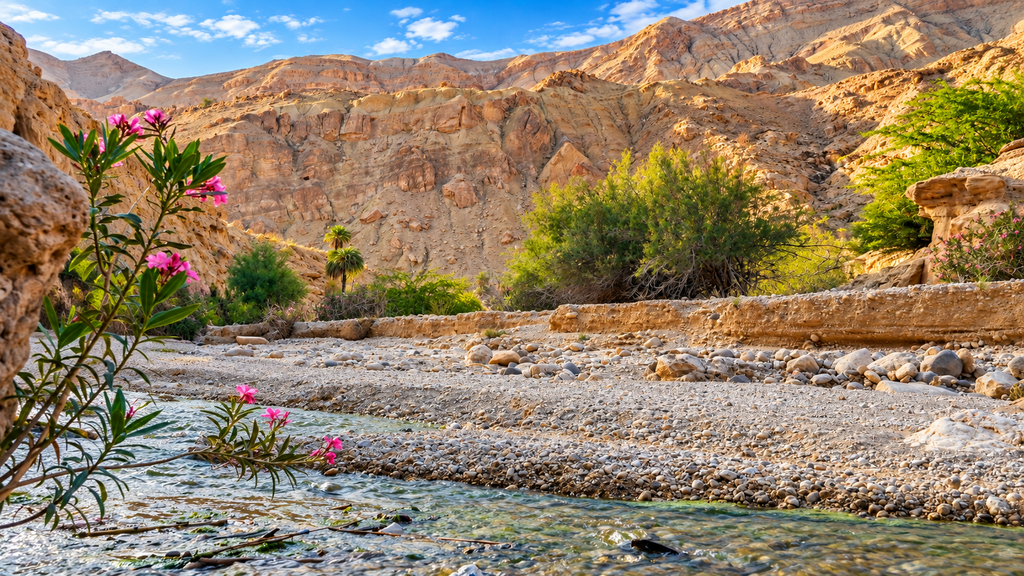
Morning: Wadi Shab
Start early if possible.
Wadi Shab is best experienced without rushing.
The route involves walking and, depending on conditions and which sections you explore, swimming.
Bring:
- Drinking water
- Comfortable walking shoes
- Swimwear
- Sunscreen
- Hat
- Small backpack
- Waterproof protection for your phone
Travel light.
You will appreciate it.
Spend enough time enjoying the pools and canyon scenery before beginning the return journ
Afternoon: Drive Back to Muscat
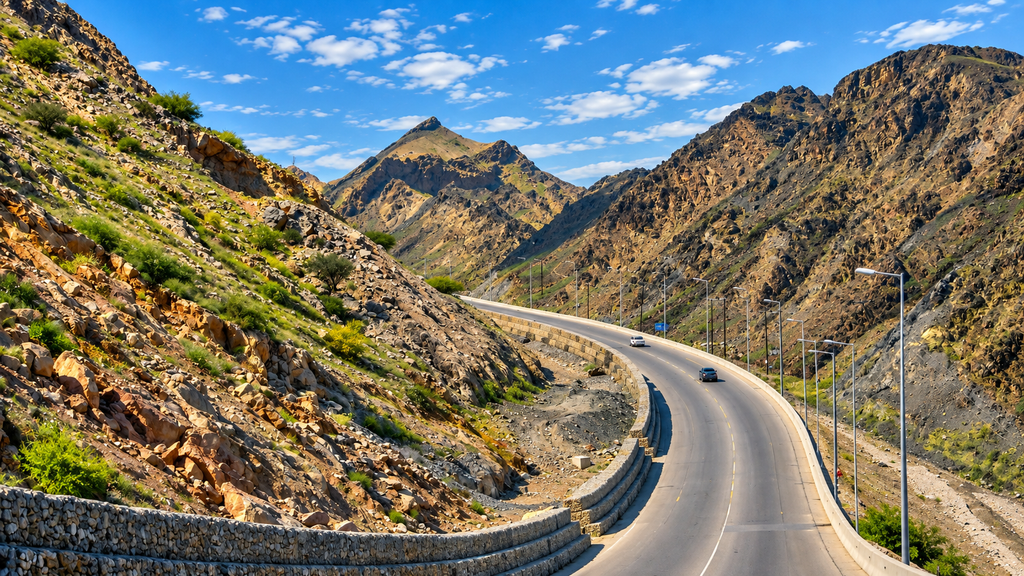
After Wadi Shab, continue toward Muscat.
You can stop along the coast if you see somewhere interesting and have enough time.
And that is the beauty of leaving some space in your itinerary.
You don’t have to turn every stop into a major attraction.
Sometimes a roadside viewpoint becomes the final photograph of the trip
Best Places to Visit in Oman Beyond This Route
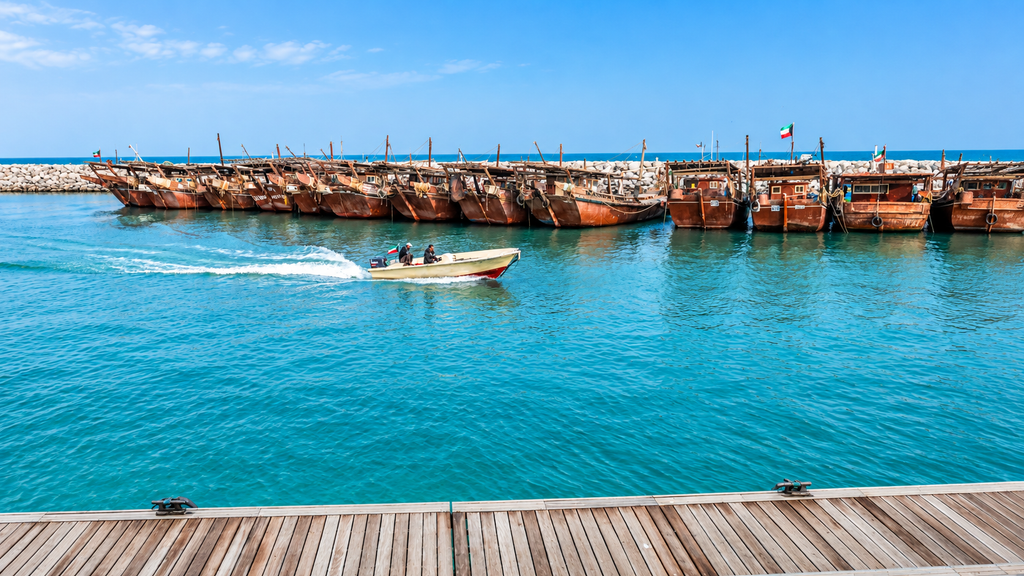
The seven-day itinerary covers a strong selection of northern and eastern Oman, but there is much more to explore.
Musandam
Route idea: Muscat → Khasab → Musandam
Musandam offers a completely different landscape, with dramatic mountains dropping toward the sea.
Boat trips, coastal scenery and quiet coves make it a natural extension for travelers who want more time on the water.
Allow around 2–3 additional days if you want to experience it without rushing.
Salalah and Dhofar
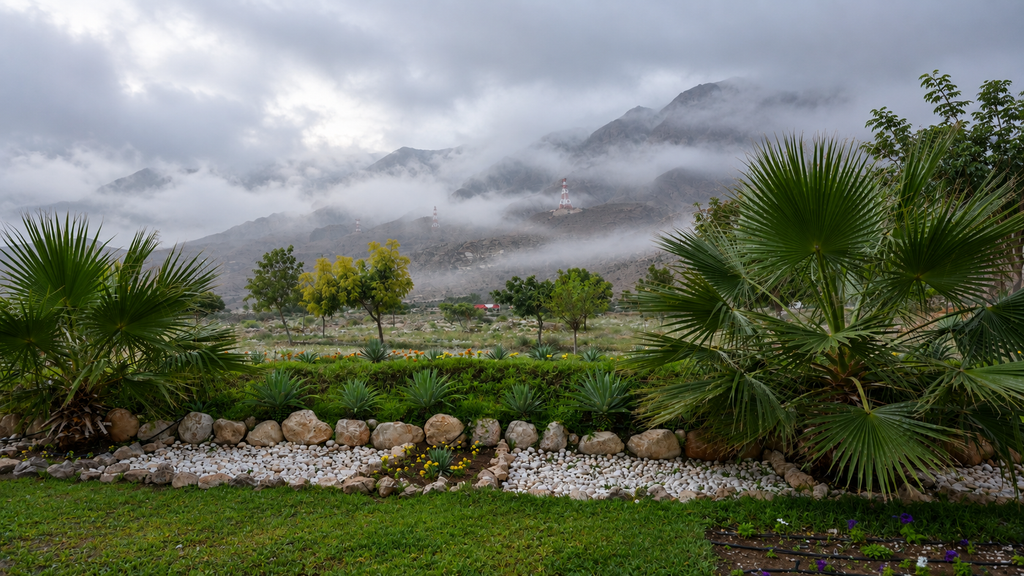
Route idea: Muscat → Salalah → Mughsail → Wadi Darbat → Dhofar
Salalah deserves its own journey because of its distance from northern Oman.
If you’re visiting during Khareef, the landscape can look dramatically different from northern Oman.
Mist, rain and greener mountains create a completely different atmosphere.
Consider 3–5 additional days depending on how much of Dhofar you want to explore.
Masirah Island
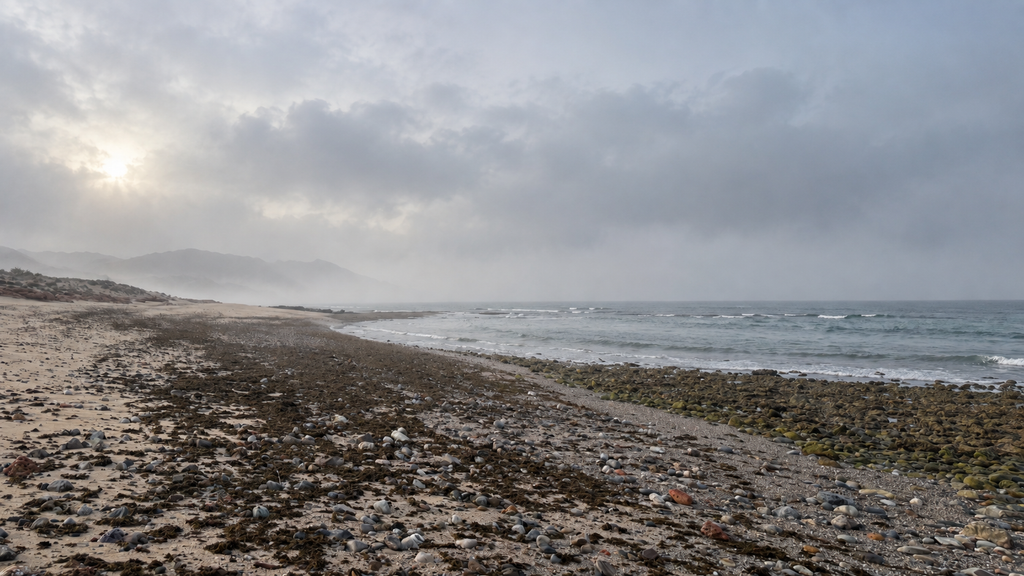
For travelers who want a quieter coastal experience, consider Masirah Island.
Route idea: Eastern Oman → Masirah Island
Allow extra time for the island rather than treating it as a quick stop.
Best Time to Visit Oman
The best time depends on what you want to experience.
For a northern and eastern road trip involving mountains, wadis, desert and outdoor sightseeing, cooler months are generally more comfortable for spending long periods outside.
If Salalah is part of your plans, Khareef offers a completely different seasonal experience.
Before visiting mountains, deserts or wadis, check the current weather and road conditions.
Conditions can change, especially in mountainous areas and around wadis.
Driving in Oman: What You Should Know
A rental car gives you freedom, but don’t underestimate the distances and changing terrain.
Before starting each day:
- Check your fuel level
- Carry enough drinking water
- Check your route
- Download offline maps
- Check weather conditions
- Check road conditions
- Allow extra time for photography stops
- Don’t drive aggressively on mountain roads
- Use an appropriate vehicle for the terrain
- Be particularly careful around wadis during unsettled weather
One of the biggest mistakes a traveler can make is creating an itinerary that looks perfect on paper but leaves no time for reality.
Give yourself breathing room.
What to Pack for an Oman Road Trip
For this itinerary, keep your luggage practical.
Everyday Essentials
What to Pack for an Oman Road Trip
Keep your luggage practical and comfortable. Oman’s mountains, wadis, deserts and long drives each need a few different essentials.
Everyday Essentials
The basics you’ll want throughout your journey.
- Comfortable walking shoes
- Lightweight clothing
- Sunglasses
- Sunscreen
- Hat
- Reusable water bottle
- Power bank
- Camera
- Small backpack
For the Mountains
Temperatures can change quickly at higher elevations.
- Light jacket
- Proper walking shoes
- Extra water
For the Wadis
Be ready for swimming, walking and wet conditions.
- Swimwear
- Waterproof phone pouch
- Quick-drying clothing
- Extra drinking water
For the Desert
Protect yourself and your gear from heat and sand.
- Light layers
- Comfortable footwear
- Camera protection from sand
You don’t need expensive equipment. A good pair of shoes and enough water will probably be more useful than half the things in your suitcase.
Omani Food You Should Try
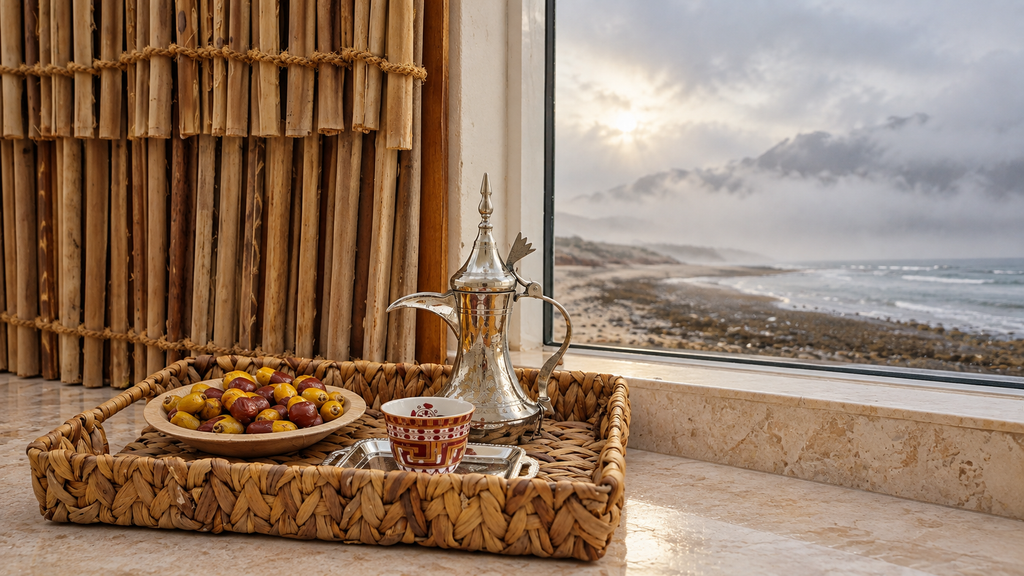
A road trip through Oman is also a chance to explore the country’s food.
Look for traditional dishes such as:
Shuwa
Traditionally prepared slow-cooked meat, often associated with special occasions and celebrations. Best Countries for Food Lovers: 10 Delicious Destinations
Majboos
Seasoned rice commonly served with meat, chicken or other ingredients.
Mishkak
Grilled, seasoned meat served on skewers and commonly enjoyed as a casual meal.
Harees
A traditional dish made from wheat and meat with a soft, porridge-like texture.
Omani Halwa
A traditional sweet often served with Omani coffee.
Omani Coffee and Dates
Simple, traditional and perfect for a short break during a long travel day.
Don’t be afraid to try something unfamiliar.
That’s part of traveling.
Responsible Travel in Oman
Oman’s landscapes are beautiful, but they are not just backdrops for photographs.
They are living environments.
When visiting wadis, beaches, deserts and mountains:
- Take your rubbish with you
- Avoid damaging plants
- Respect wildlife
- Follow local instructions
- Don’t disturb nesting animals
- Ask before photographing people
- Dress appropriately for cultural and religious sites
- Avoid unnecessary noise in natural areas
- Respect local communities
A beautiful destination stays beautiful only when people treat it that way.
Don’t Rush Your Oman Road Trip
This itinerary covers a lot.
That’s why I would treat it as a framework rather than a strict timetable.
If you fall in love with the mountains, stay longer.
If you love the desert, give it another night.
If a small coastal town catches your attention, stop.
If you’re tired, rest.
A good road trip isn’t the one where you collect the most locations.
It’s the one where you actually remember the places you visited.
Final Thoughts: Don’t Just Visit Oman — Drive Through It
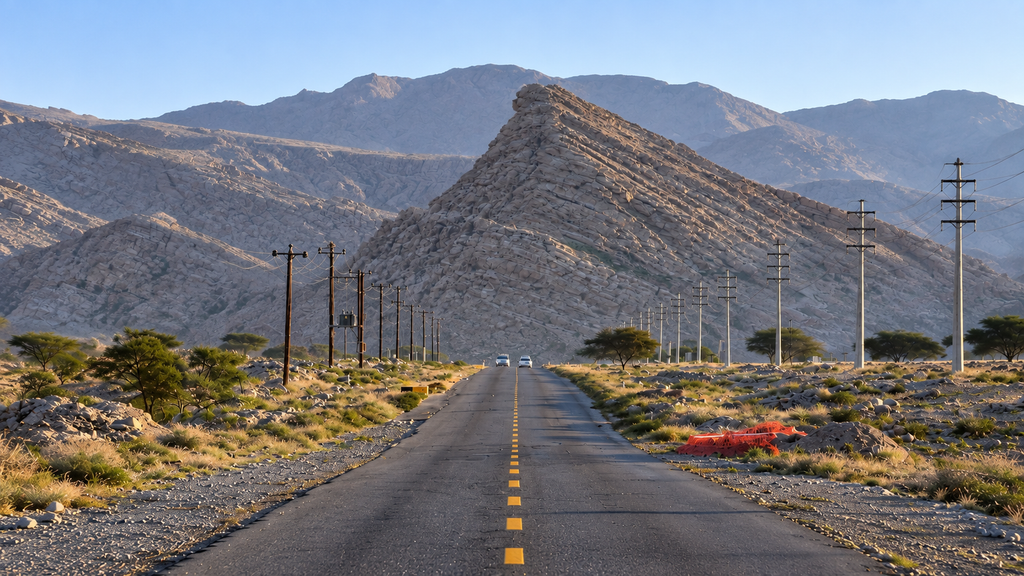
Oman is difficult to understand from a list of attractions alone.
You need to see how quickly the landscape changes.
One moment you’re driving through a modern city.
Then you’re surrounded by mountains.
A few hours later, you’re standing beside clear water.
Then the landscape becomes golden desert
And eventually, the sea appears again.
That’s what makes an Oman road trip so memorable.
The route isn’t just a way of connecting destinations.
The route is part of the destination.
So start in Muscat.
Take the road toward Nizwa.
Climb into the mountains.
Find the water hidden inside the wadis.
Watch the desert turn gold.
Follow the coast.
Look for turtles.
Explore Wadi Shab.
And eventually, return to Muscat with a camera full of photographs and a head full of memories.
You may start the journey thinking about the places you want to see.
But by the end, you’ll probably remember the roads between them just as much.
Sometimes, the best destination is simply the next road.
Oman Travel Checklist
Best for: Road trips, mountains, deserts, beaches, history, culture, photography and outdoor adventures.
Main places: Muscat, Nakhal, Nizwa, Bahla, Jebel Shams, Jebel Akhdar, Wadi Bani Khalid, A’Sharqiyah Sands, Sur, Ras Al Jinz and Wadi Shab.
Extra destinations: Musandam, Salalah, Dhofar and Masirah Island.
Ideal duration: Around 5–7 days for a northern and eastern introduction; 10–14 days or more for a broader Oman journey.
Best travel style: Take your time and leave room for unexpected stops.
For road trips: Carry water, plan fuel stops, check weather and road conditions, and prepare carefully before entering remote areas.
For nature: Respect wildlife, wadis, beaches and mountain environments.
For photography: Sunrise and sunset can be especially rewarding across Oman’s mountains, desert and coastline.
One Last Thought
You don’t have to visit every place in Oman to understand why people fall in love with it.
Sometimes one mountain road is enough.
Sometimes one desert sunset is enough.
Sometimes it’s a quiet beach, an old fort, a conversation with a stranger, or a cup of coffee after a long drive.
Travel doesn’t always change your life in some dramatic way.
Sometimes it simply gives you a few moments that make you look at life differently.
And maybe that’s enough.
The road is waiting.